Flatshares that want to dry sportswear gently
If you want to tumble dry technical clothing, the care label and programme need to be compatible. GINETEX GERMANY explains tumble-drying symbols and their temperature guidance.


A heat pump tumble dryer is suitable for sportswear in a flatshare only if the care label allows tumble drying and the selected programme meets the temperature requirements; a programme name alone is no guarantee. In shared spaces, compare the noise level and condensation efficiency. If the dryer will be used frequently, also check its energy consumption per 100 Eco cycles. This label figure is not a measured value for a sportswear or short programme, so for small loads, check which programmes the specific model offers too.
If you want to tumble dry technical clothing, the care label and programme need to be compatible. GINETEX GERMANY explains tumble-drying symbols and their temperature guidance.
If the appliance is near shared or occupied rooms, its stated noise level and condensation efficiency are useful points of comparison. The consumer advice centre lists these figures as useful for comparing models.
When sharing an appliance, capacity and energy consumption per 100 Eco cycles help you compare models on the same label basis. The German Environment Agency also recommends choosing an appliance size that suits your usual loads.
| Consideration | What to check when buying | Who is it important to? |
|---|---|---|
| Caring for sportswear | Check the care symbol and temperature guidance against the programmes listed for the specific model. GINETEX GERMANY explains which symbols allow or rule out tumble drying. | When I dry technical clothing, I follow the care label and choose a programme with the right temperature, rather than relying on the programme name alone. Around 26% of consumers put fabric care first. |
| Noise in a shared home | Compare the noise level and noise emission class on the same label basis, and take the location and times of use into account. The consumer advice centre lists noise figures as a point of comparison. | If the tumble dryer is near occupied rooms, I want to minimise the disruption to my housemates. Around 21% of consumers put consideration for the household first. |
| Electricity consumption and shared costs | Compare kWh per 100 Eco cycles and capacity; the European Commission describes the EU label as using a scale from A to G. The German Environment Agency recommends choosing an appliance size that suits your usual loads. | When lots of drying cycles add up, I want to compare energy consumption on a consistent basis and get a fair idea of the costs. Electricity consumption and shared costs are the main consideration for around 21% of consumers. |
| Small loads and time | Check which fabrics and load sizes are suitable for the specific programme. Bosch describes Extra Kurz 40 on the WQA233C9K as suitable for small loads of lightweight synthetics. | After training, I want to be able to dry a few suitable items properly, without assuming they’re suitable just because of the programme name. Small loads are the main consideration for around 16% of consumers. |
| Installation and moisture | Check the appliance dimensions and condensation efficiency, and allow room for the door to open and for installation. The consumer advice centre lists condensation efficiency as a point of comparison. | For a shared laundry space, I want to know whether the appliance will fit and what to expect in terms of moisture release. Around 16% of consumers prioritise installation location and moisture. |
Care symbols distinguish between tumble drying at a low temperature and a ban on tumble drying. A programme name does not override these instructions.
First sort your clothes by care label, then choose a suitable programme.
The stated energy consumption per 100 drying cycles refers to the Eco programme and does not automatically describe the consumption of other programmes.
Use the label figure to compare models on the same basis. Your own costs also depend on how often you use the dryer and your electricity tariff.
The noise level on the label does not tell you how loud the appliance will seem in a particular room. Condensation efficiency indicates the proportion of extracted water that is collected.
Compare both label figures and consider where you plan to put the appliance. The consumer advice centre lists noise and condensation efficiency as relevant points of comparison.
A large drum that is often only partly full can increase energy consumption per kilogram of laundry. The German Environment Agency therefore highlights the importance of choosing a load size that suits how you use the appliance.
Choose a capacity that suits the loads you regularly dry together, rather than simply opting for the largest possible load size.
The Bosch WQA233C9K and WRB247C40 models offer different features for small loads and noise-sensitive locations.
The TR7T851EX is a documented 8 kg model with MixDry, a mixed-load programme named by AEG.
The Beko B3TSW48C9ZW is a documented 8 kg model with sensor drying and a programme the manufacturer describes as Silent.
The TS740I WP is a documented 9 kg model with the manufacturer’s DryCare 40 and SilenceDrum features.
This selection includes heat pump tumble dryers for laundry dried together. Whether a specific model is suitable for a particular garment depends on its care label and the programmes it offers.
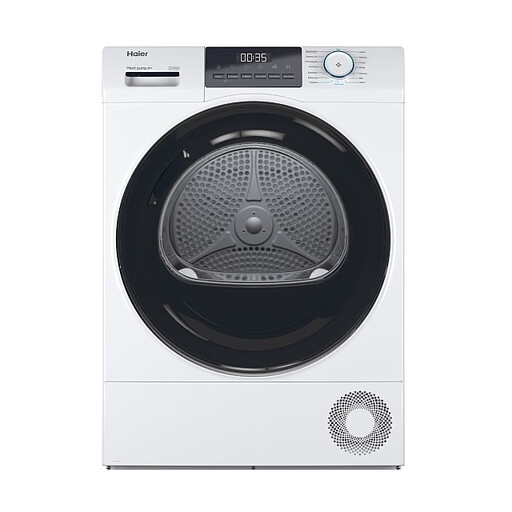 No image available
When drying laundry together, capacity is one factor to consider. Check whether it suits the loads you typically dry.
Capacity: 8 kg.
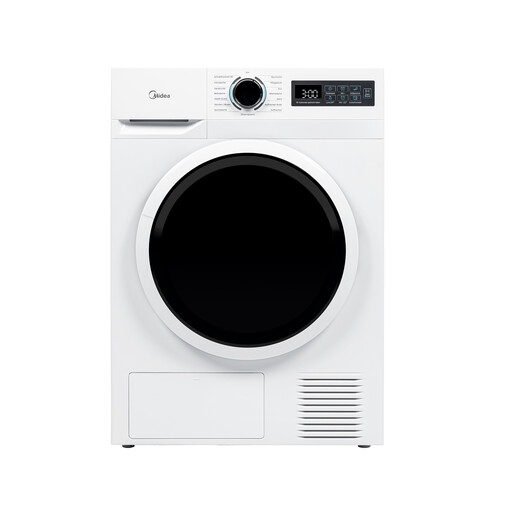 No image available
If shorter cycles matter to you, check which programmes the specific model offers for the fabrics you plan to dry.
Appliance type: heat pump tumble dryer.
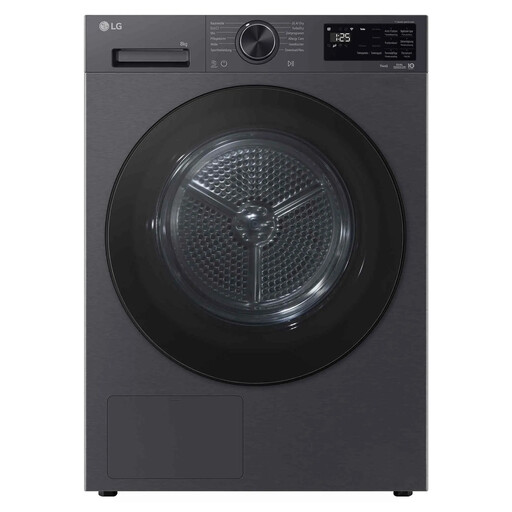 No image available
The stated capacity helps you compare the appliance with the loads you share; for sportswear, the care label and programme must also be compatible.
Capacity: 8 kg.
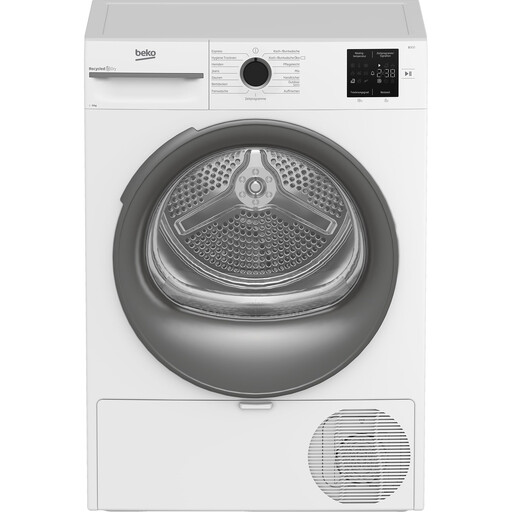 No image available
Compare the stated capacity with the loads you typically dry together, and check whether the appropriate programme is designed for the fabrics you want to dry.
Capacity: 9 kg. Energy efficiency class: E.
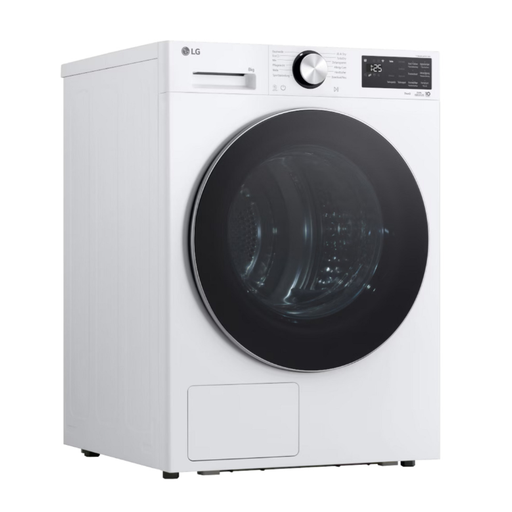 No image available
If you’ll be sharing the appliance, compare its stated capacity with your usual loads. Whether it’s suitable for sportswear still depends on the care label and programme.
Capacity: 8 kg. Energy efficiency class: B.
No. Always start by checking the individual garment’s care label. A crossed-out tumble-dryer symbol means you must not tumble dry the item; if the label allows drying at a low temperature, the programme must match. GINETEX GERMANY explains the relevant care symbols.
The EU label gives energy consumption in kWh per 100 drying cycles using the Eco programme. According to the consumer advice centre, this figure is for comparing appliances on that basis; it does not show the energy used by a sportswear or short programme.
According to the European Commission, a condenser tumble dryer does not need an external vent; the water is collected or drained away. Still, check the installation instructions for the specific model, as well as the space required, door clearance and how to handle the condensate.
Agree on who will clean the lint filter and, if necessary, the condenser, following the model’s instructions. The consumer advice centre warns that lint and dust can become a fire hazard over time, and advises against placing the appliance on a carpet.
When you buy from a business seller online, you generally have 14 days from delivery to cancel the purchase; statutory exceptions and rules on return costs apply. Separately, you have statutory rights against the seller if the goods are faulty. The Council of the European Union states that goods are covered by a minimum two-year legal guarantee; any additional manufacturer’s warranty is separate.