
Lieferung heute & morgen

Qualitätsgarantie

Willkommens-Angebote freischalten: KOSTENLOSE Lieferung | Bis zu 80 % RABATT | Kostenlose 30-Tage-JoyPlus-Testphase
App herunterladen
Depending on the model, heat-resistant glass food storage containers can be used for storing, freezing, reheating and, in some cases, cooking food. However, the product description alone does not always make it easy to choose the right one. The key details are the type of glass, lid, closure, temperature range and dimensions.
With many glass containers, only the glass body is heat-resistant. Plastic lids, seals and locking clips must be removed before using the container in the oven. Different requirements may also apply in the microwave, depending on the lid: some lids must be removed completely, while others can be placed loosely on top with the steam vent open.
Look for specific information such as “oven-safe without lid”, a temperature rating or clear microwave instructions. A glass container suitable for the microwave is not automatically suitable for the oven.
An airtight glass container can help reduce the entry of air. For transporting food, it is also important that the closure reliably keeps liquids inside. A silicone sealing ring and several locking points are relevant design features. When carrying soups, sauces or dressings, check the container carefully after closing it and do not overfill it.
A capacity of 2 litres is practical for family portions, but it also requires sufficient room in the fridge and dishwasher. Small glass food storage containers of around 380 ml, on the other hand, are suitable for snacks, side dishes or individual ingredients. The important factors are not just the litre capacity, but also the length, width and height, as well as whether the containers can be stacked.
Borosilicate glass is often used for heat-resistant food storage containers. According to the product details, some of the models listed here are suitable for use in the oven at up to 400°C without the lid. However, this does not mean that a container can be moved freely between the freezer and a hot oven.
Avoid thermal shock: placing a frozen glass container directly into a preheated oven or holding hot glass under cold water can cause cracks. Allow the container to cool first, or thaw frozen food gradually and in a controlled manner. Hobs, naked flames and direct heat sources are not intended for use with these products.
Check what material the lid is made from and whether the seal can be removed. A glass container with a lid is particularly easy to care for if the silicone ring and clips can be removed for cleaning. Four-sided closures can help provide an even seal, while a hinged or twist closure may be more practical in narrow fridge compartments.
For taking food on the go, details such as “leak-proof glass container”, “watertight” or “leak-proof” are relevant. Also read the instructions for use: just because a lid seals tightly in the fridge does not automatically mean it can be left closed in the microwave.
Rectangular containers are generally easy to stack for meal prep. Round models can be advantageous for stirring or for certain types of food. An integrated divider is useful when two foods need to be kept separate.
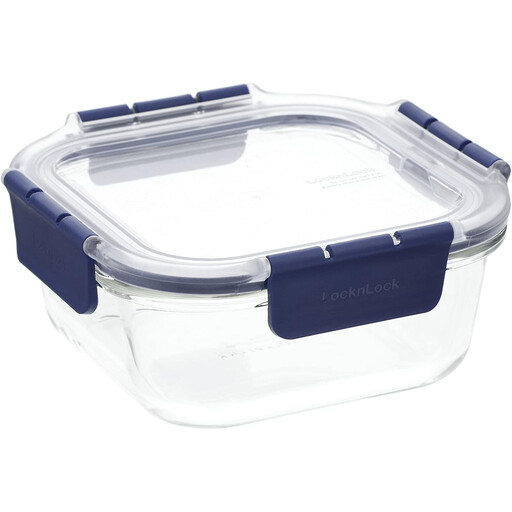
Why this product suits the profile: The 380 ml capacity is suitable for small portions, dry ingredients and individual side dishes. Measuring 15.3 × 11.4 × 6.2 cm, the rectangular container takes up comparatively little space.
The product details specify an airtight closure, a silicone sealing ring and suitability for the freezer, microwave without the lid and dishwasher.
Borosilicate glass, hinged closure, stackable design and dishwasher cleaning.
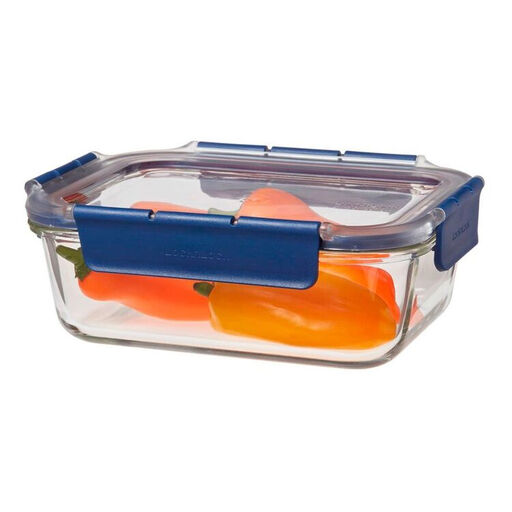
Why this product suits the profile: This model combines a 1-litre borosilicate glass container with a Tritan lid, silicone seal and four-sided closure.
The temperature limits are clearly stated: up to 400°C without the lid and down to −20°C in the freezer. The lid must not be heated.
Stacking rim on the lid, removable silicone seal and stated suitability for the oven, microwave without the lid, freezer and dishwasher.
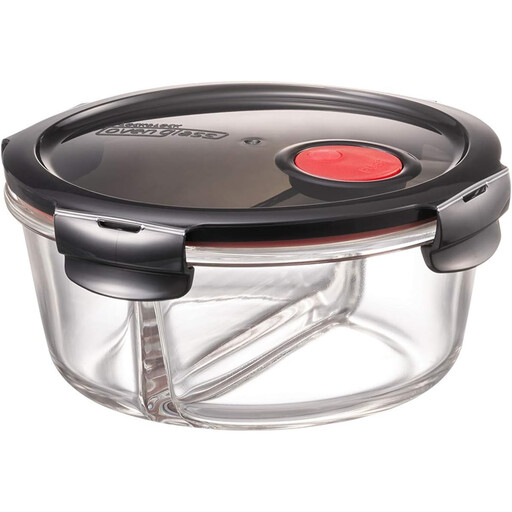
Why this product suits the profile: An integrated divider splits the interior into two sections. This makes the container suitable for the office, school, picnics and separate meal-prep portions.
The steam vent must be open during heating; for oven use, the lid must be removed completely. This clearly defines the different conditions of use.
900 ml capacity, borosilicate glass, integrated divider, steam vent and suitability for the oven, microwave, freezer and dishwasher.
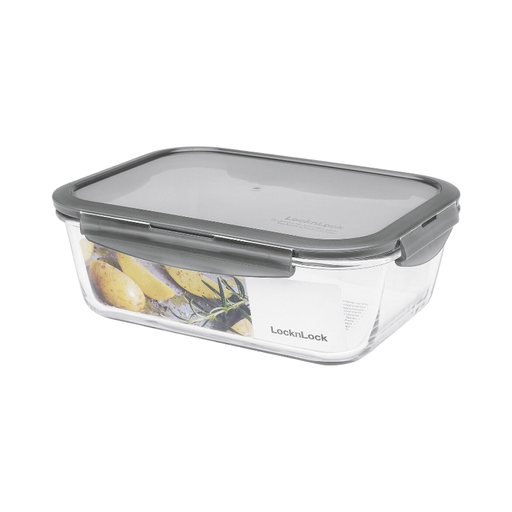
Why this product suits the profile: With a 2-litre capacity, this rectangular container is designed for family meals, larger quantities of cooked food and storing substantial amounts of provisions.
The product details state that it is suitable for the oven, microwave, fridge, freezer and dishwasher. The plastic lid must be removed before heating.
Large capacity, rectangular shape, airtight silicone seal and stated dishwasher suitability for both the container and lid.
We have put together a complete, regularly updated list of products that fully meet these strict selection criteria and the safety regulations applicable in the EU.
Read the manufacturer’s instructions before using the container for the first time. The following steps are recommended for a long service life:
A dishwasher-safe glass container is easy to care for. However, lids may have specific requirements, such as being washed in the top rack. Wooden lids on storage jars should generally only be wiped with a damp cloth and are not suitable for use in the microwave or oven.
This is generally not recommended. Even borosilicate glass can be damaged by strong and sudden temperature changes. Allow frozen food to thaw first and check the specific instructions for the model in question.
The glass body of many models is suitable for microwave use. However, the lid often needs to be removed or adjusted using a steam vent. Closed lids that are not expressly designed for this purpose may become deformed or come loose as pressure builds up.
Their service life depends on the material, use, cleaning and handling. Glass does not normally absorb odours and is less likely to discolour than some plastics. Cracks, chips and severe impacts shorten the safe service life; damaged containers should no longer be used.