
Lieferung heute & morgen

Qualitätsgarantie

Willkommens-Angebote freischalten: KOSTENLOSE Lieferung | Bis zu 80 % RABATT | Kostenlose 30-Tage-JoyPlus-Testphase
App herunterladen
A brief moment of carelessness, and it happens: an unsightly scorch mark or a deep scratch mars your kitchen countertop or expensive dining table. A hot pot or pan can cause permanent damage. A good trivet is therefore not a luxury, but an indispensable kitchen tool. However, the market is flooded with products that promise more than they deliver. As your Joybuy Product Recommendation Officer, I'll help you avoid the common purchasing traps and make an informed decision.
Many products look good at first glance but prove to be impractical or even damaging to your furniture in daily use. Watch out for these three pitfalls:
To avoid a bad purchase, you should check two key aspects before making a decision: the material and the construction.
The material determines the functionality and durability of a trivet. Each has specific advantages and disadvantages.
A trivet for hot pots must provide a stable base. It should lie completely flat on the surface and not wobble, even with a heavy pot on it.
The size is also crucial. A pan trivet should always be a few centimetres larger in diameter or edge length than the base of the cookware. This not only ensures stability but also effectively captures radiant heat from the sides.
Here are some recommendations tailored to different needs and households.
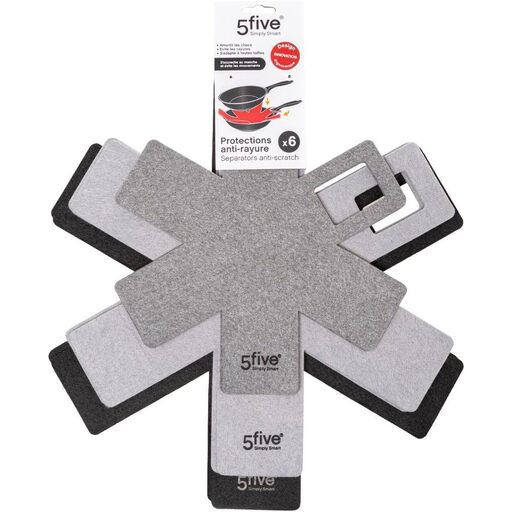
Why it's a great fit: This set is designed for those seeking a practical and versatile solution. With three different sizes, you're equipped for everything from small pots to large casserole dishes. The mats are lightweight, flexible, and can be stored compactly.
The set solves the problem of needing a separate, rigid trivet for every pot size. The dense polyester material (600g/m? according to the manufacturer) offers reliable protection against heat and scratches.
Set of three sizes for high flexibility. Simultaneously protects from heat and scratches. Lightweight and easy to store.
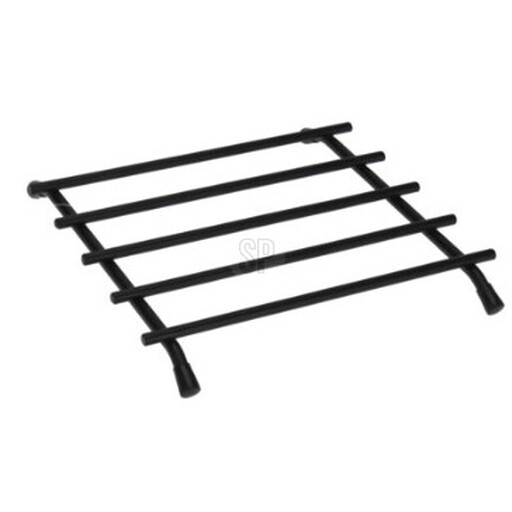
Why it's a great fit: This model is ideal for lovers of a modern and clean kitchen aesthetic. The high-quality stainless steel blends seamlessly into minimalist environments and signals functionality and durability.
Unlike materials that can warp or discolour, stainless steel is extremely stable and robust. The design, with a slightly elevated surface, prevents direct heat transfer and protects against scratches.
Very high heat resistance. Modern, timeless design. Dishwasher-safe according to the manufacturer, making it very easy to care for.
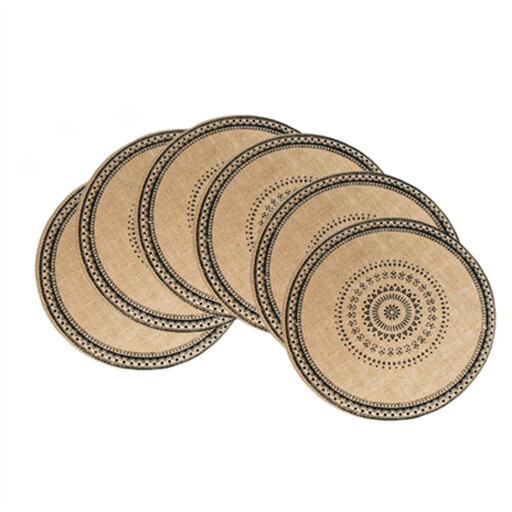
Why it's a great fit: Anyone who loves to entertain and values cohesive table decor will find an ideal dual-purpose solution here. These placemats not only protect the table but also serve as a decorative element that creates a warm, inviting atmosphere.
This product avoids the trap of purely functional but visually clashing trivets. According to the manufacturer, the hand-woven jute material is heat-resistant, allowing you to place hot serving dishes directly on the set table.
Combines heat protection with a decorative function. Natural, appealing look with a boho style. Ideal for serving directly at the dining table.
We have compiled a complete, up-to-date list of products that fully meet these strict selection criteria and UK safety regulations.
Materials like stainless steel and silicone generally exhibit very high heat resistance. They can absorb the heat from pots coming directly off the stove without being damaged. For stainless steel, a design with feet or spacers is advantageous to minimise direct heat transfer to the tabletop. Silicone acts as a very effective insulator.
This depends entirely on the material. Trivets made of solid stainless steel or silicone are usually dishwasher-safe, which makes cleaning much easier. However, models made of wood, cork, bamboo, jute, or paper should only be cleaned by hand with a damp cloth to prevent material damage such as swelling or warping.
As a rule of thumb, the trivet should extend at least 2-3 centimetres beyond the base of the pot or pan on all sides. This ensures a stable surface and prevents the cookware from tipping. It also helps to keep radiant heat from the sides away from the sensitive surface.