What should you look for when buying?
First, weigh up the hanging space you need against the floor space available. Then consider electricity use and moisture in the room. The German Environment Agency describes using a clothes airer or washing line without electric heating as the most energy-efficient way to dry laundry, and recommends airing the room regularly when drying clothes indoors.
Compact heated airer
Suitable if: you usually dry one apron at a time and have limited floor space.
Consider: the usable hanging space may be limited if you have several wide aprons.
Heated winged airer
Suitable if: you want to hang several aprons with space between them and have room for the wings when opened.
Consider: measure the floor space needed when the airer is open, and factor in its electricity use.
Heated tower or covered airer
Suitable if: you need space for several items on separate tiers or want a cover.
Consider: check that the tier spacing and hanging method suit the length of your aprons. A cover doesn’t replace ventilation.
Unheated clothes airer
Suitable if: your aprons can dry without a deadline and you don’t want to use extra electricity.
Consider: even without heating, laundry needs space and releases moisture into the air.
| What matters |
What to check before buying |
Who is this important for? |
| Drying aprons in time |
Rated power, actual running time and enough space between items |
If I need aprons frequently, what matters most to me is whether the appliance fits into my routine. Around 31% of consumers prioritise this need for speed. |
| Hanging several aprons |
Dimensions when fully opened and the usable arrangement of the bars |
If you want to hang several aprons without overcrowding them, assess the usable space rather than just counting the bars. Around 25% of consumers prioritise this need for space. |
| Considering room humidity |
A suitable location, the option to ventilate the room and the instructions in the appliance manual |
When drying clothes indoors, I want to choose a spot where I can clear the moisture by airing the room. Around 25% of consumers prioritise the indoor climate. |
| Weighing up electricity use |
The rated power of the specific model and its expected running hours |
If I want to avoid using electricity and have time to spare, an unheated airer is also an option for me. Around 19% of consumers put this consideration first when weighing up their options. |
Suitable products at Joybuy
This selection includes portable electric clothes dryers described as foldable or as having a timer. Before choosing one, check the instructions and the conformity documents and CE marking for the specific model.
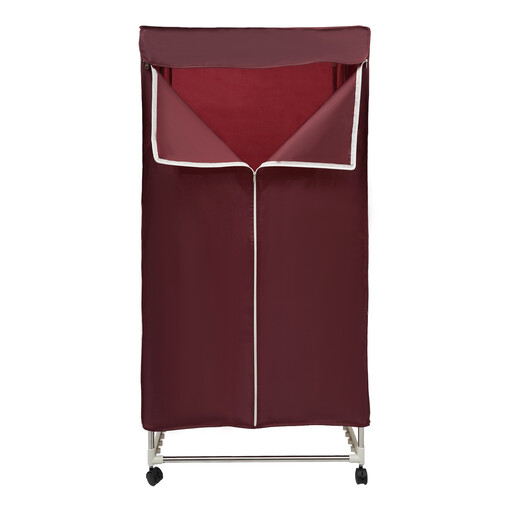 No image available
Portable foldable electric clothes dryer with timer, burgundy
The portable, foldable design may suit you if you want to put the appliance away after drying.
The product description also mentions a timer and a design for large loads.
Joybuy
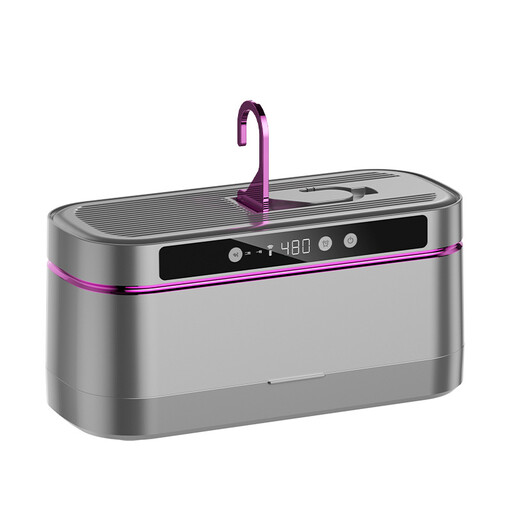 No image available
Portable foldable air dryer for small homes
The portable, foldable design is intended for smaller living spaces and easy storage.
The product name also lists shoes and blankets as other uses.
Joybuy
Frequently asked questions
How do I calculate the electricity needed for a small load?
Multiply the rated power in kilowatts by the actual running time in hours to calculate energy use in kilowatt-hours. To work out the cost, multiply this figure by your electricity price per kilowatt-hour. This calculation won’t tell you how long an apron will take to dry.
Where can I place a heated clothes airer?
Follow the instructions for the specific appliance. The manual for the Clarsen 7080400 specifies indoor use on a level surface. Todeco says its Airer Heater should be placed on a level, dry surface, at least 1.5 m from sources of water or heat. These instructions apply to the models in question and not automatically to all appliances.
Do I need to ventilate the room even when using a heated clothes airer?
Yes. Drying clothes indoors releases moisture into the air. The German Environment Agency recommends airing rooms regularly when drying wet laundry indoors, and more often if needed.
What are my rights if a product is faulty or I want to return it after buying online in Germany?
If a product is faulty, your statutory rights are against the seller; any additional guarantee is voluntary. Consumers generally have a 14-day right to cancel online purchases, starting from the day they receive the goods. The German consumer advice centre explains these rights and the conditions that apply.
Does a CE marking mean the product has passed an independent safety test?
No. According to the European Union’s guidance, the CE marking is the manufacturer’s declaration that the product meets the applicable EU requirements; it doesn’t automatically prove that an independent assessment has taken place. Check the marking and product documents for the specific appliance.


