Households with large pillowcases
If you want to spread out pillowcases and hang other laundry alongside them, usable drying space and the room the airer takes up matter more than claims about heat.


For drying pillowcases flat, the usable width of a heated winged airer is key. A compact airer may be enough for a few small items, while hanging jackets need more height and room for hangers. Heated rails are no substitute for following the care instructions on your textiles or ventilating the drying area. The models listed here are not endorsed purchase recommendations: check the electrical safety documentation for the specific listing before you buy.
If you want to spread out pillowcases and hang other laundry alongside them, usable drying space and the room the airer takes up matter more than claims about heat.
After cleaning your garments appropriately, follow the jacket’s care instructions and check whether the fabric is suitable for heat.
When drying clothes indoors, consider both the space needed to set up and store the airer, and how you’ll manage the moisture produced.
A good fit if: You want to spread pillowcases out as widely as possible and hang other clean clothes too.
Consider: The airer takes up floor space when fully open. Heat reaches items in contact with the rails more directly than fabrics hanging freely.
A good fit if: You’re drying a few smaller items and have limited floor space.
Consider: Check the dimensions of your pillowcase to see whether the smaller hanging area will be enough.
A good fit if: You mainly want to hang clean jackets on hangers, and their care instructions say they’re suitable for heat.
Consider: The stated temperature does not automatically mean the dryer is suitable for membranes, coatings or pillowcases.
A good fit if: You can dry clothes without extra heat and keep an eye on humidity and ventilation.
Consider: Drying may take longer in unfavourable conditions. You’ll still need to remove moisture from the room.
When choosing a heated airer for pillowcases and clean outdoor layers, your priorities will mainly depend on hanging space, fabric care, room and electricity requirements.
| Priority | What to check | Who is this important to? |
|---|---|---|
| Space for pillowcases | Compare the dimensions when fully open, usable width and space for other laundry. | If I want to hang pillowcases alongside a clean outer layer, the available space matters most to me; around 30% of consumers put hanging space first. |
| Fabric care | Remove dirt before cleaning the garment appropriately, and check the care label and appliance instructions. | With performance clothing, I want to avoid cleaning or heat that could damage the material; around 30% of consumers prioritise drying that’s suitable for the fabric. |
| Space and room humidity | Check the dimensions for setting up and storage, and ventilate regularly when drying clothes indoors. | When floor space is limited, the appliance still needs to suit my drying needs; around 20% of consumers prioritise space requirements and room humidity. |
| Electricity use | Compare the rated power and timer. Running time and your electricity tariff also affect the cost. | If I use extra heat regularly, I want to be able to keep track of energy use; around 20% of consumers prioritise having electricity costs they can control. |
Heat has a more direct effect where the fabric touches the rails; areas hanging freely don’t receive the same direct warmth.
First compare the usable width and the space between items, rather than looking only at the number of heated rails or the rated power.
Rated power alone doesn’t reliably indicate drying time or total cost if you don’t also take running time and your electricity tariff into account.
Consider the power rating and timer in relation to how you’ll use the airer, and follow the care instructions for your textiles.
Running the airer uses extra electricity; the cost depends on how long it runs and your tariff.
An airer won’t remove dirt from outdoor clothing or the moisture that drying releases into the room.
Clean your clothes according to the care label and ventilate the drying area regularly.
The AD 7821 is a foldable winged airer with heated rails. Its surface area may make it worth considering for wider items of laundry.
According to the manufacturer, the DO7117DR is a compact heated airer that can be freestanding or wall-mounted.
The designs described include a heated two-tier airer and a separate winged model.
According to the manufacturer, the Dupledry Blue is a hanging dryer with warm air, a cover and hanger supports.
The products below include heated winged airers and electric dryers for larger loads or use on the move. Check the electrical safety documentation for the specific listing before you buy; the models shown are not endorsed purchase recommendations.
 No image available
The two folding side wings provide space to hang pillowcases and other items of laundry.
45–55 °C; 230 W; dimensions: 144 × 53 × 96 cm; foldable; maximum load: 10 kg.
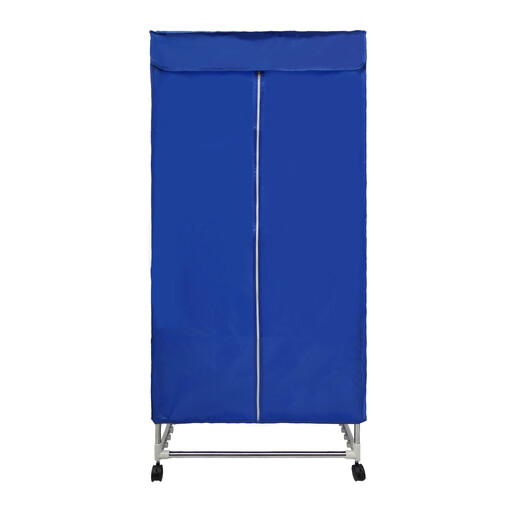 No image available
The description specifies one- or two-tier racks for larger loads of laundry; check whether the layout suits the items you want to dry.
1200–1500 W; four timer settings; foldable; on wheels.
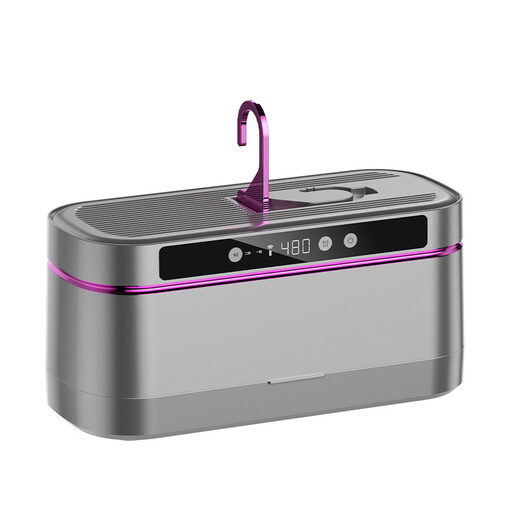 No image available
The description lists clothes and bedding as suitable items to dry, and says the appliance is designed for use at home or while travelling.
With a heating element, air circulation duct and timer modes.
Remove any loose dirt and clean the jacket according to its care label before drying it alongside clean pillowcases. Patagonia recommends this preparation for its rain jackets; that doesn’t mean jackets from other manufacturers are generally suitable for washing or heat.
No. Water evaporates into the room when clothes dry. The Verbraucherzentrale recommends regularly replacing humid air and monitoring humidity levels.
Compare the dimensions when the airer is in use with the space available. If it’s designed for wall mounting, check the installation location against the appliance instructions too. The IPX4 protection rating specified by the manufacturer for the DOMO DO7117DR doesn’t replace these checks.
Multiply the rated power in kilowatts by the actual running time in hours, then multiply the result in kilowatt hours by your electricity price per kilowatt hour. The rated power alone doesn’t measure the energy used to dry a full load.
A CE mark alone doesn’t show that the specific listing has been independently tested. The Bundesnetzagentur includes correct labelling, identification of the product and manufacturer, and safety instructions in German among its checks. Ask to see the documentation for the specific model and listing.
For qualifying online purchases from a business seller, you generally have a 14-day right to cancel from the date of delivery; exceptions and possible return costs should be considered. Goods are also covered by a statutory guarantee from the seller for at least two years. This is separate from any voluntary warranty.