Households with several tea towels
If you wash your towels before the working week, look for enough separate hanging spaces and make sure there’s room to hang them apart.


If you have several freshly washed tea towels, a folding heated airer with enough space between the bars is a natural choice. For just a few towels, a more compact option may be enough. Check how much space the airer takes up when fully assembled, and whether you can ventilate the room where you plan to dry your towels. The product specifications don’t guarantee that they’ll be dry by the start of the week.
If you wash your towels before the working week, look for enough separate hanging spaces and make sure there’s room to hang them apart.
Drying indoors releases moisture into the air. The consumer advice centre recommends ventilating regularly to replace the damp air.
Compare the space you’ll need while drying with the storage space available afterwards. A folding airer and a permanently mounted option each have different requirements.
Start by comparing the number of towels you have with the space available. Also consider ventilation and how long you’ll actually use the heating function.
| Consideration | What to look for | Who should consider this? |
|---|---|---|
| Separate hanging spaces | Compare the number and width of your towels with the bar layout and the airer’s dimensions when fully extended. | If I need to hang several towels separately, every usable space matters. Around 36% of consumers are likely to need enough separate hanging spaces above all. |
| Room humidity and hygiene | Make sure you can ventilate the drying area. The consumer advice centre recommends changing tea towels regularly and washing them at a minimum of 60 °C. | If I dry towels indoors, I want to manage the moisture and care for them properly. This is likely to be the main concern for around 29% of consumers. |
| Floor space and storage | Compare the dimensions when set up and folded away. If you’re considering a mounted option, check that your home is suitable for installation. | If space is limited, I want to know where the airer can stand while the towels dry and where I can store it afterwards. Floor space is likely to be the main concern for around 21% of consumers. |
| Electricity use | Consider the power rating alongside the actual running time, rather than comparing the wattage of different appliances and settings in isolation. | If I only want to use the heating function when needed, the actual running time matters. Around 14% of consumers are likely to be weighing up the extra electricity use above all. |
Manufacturers quote different power ratings for different appliances and settings. AdlerEurope gives the AD 7821 a rating of 220 W, Sichler Haushaltsgeräte gives the NC-3549-919 a rating of 105 W, and Foxydry lists 750 W for the warm-air function on the Foxydry Pro. These figures alone don’t tell you how much electricity a complete drying cycle uses or how long drying will take.
A dry tea towel isn’t necessarily clean. The consumer advice centre recommends letting towels dry thoroughly after use, changing them at least once a week and washing them at a minimum of 60 °C.
Use the airer to dry your towels, and follow this care advice when washing them.
Drying with a heating function still releases moisture into the air. The consumer advice centre recommends changing the air regularly.
Choose a drying spot where you can ventilate, and take this into account when setting up the airer.
The power ratings relate to different appliances or settings. They don’t show how much electricity each one uses to dry a towel completely, so they aren’t directly comparable.
Factor in the actual running time and the setting you use, rather than assuming the wattage alone tells you what to expect.
The AD 7821 is a folding heated airer. Check whether its bar layout can accommodate several towels.
The NC-3549-919 is a smaller folding heated airer with bars, designed for a modest number of towels.
Foxydry Pro is a mounted option for households looking to free up floor space and choose between room-air and warm-air operation.
The options below range from a folding heated airer to portable tumble dryers. Check whether each design offers the open hanging spaces you need for your tea towels.
 No image available
The folding design may suit you if you want to reclaim space once your towels are dry. Compare the dimensions with the floor and storage space available.
Dimensions listed in the product name: 144L × 53W × 96H cm.
 No image available
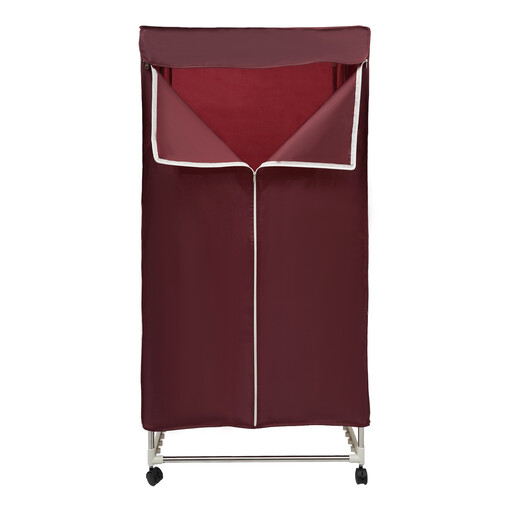
This product is described as a hot-air clothes dryer with a folding frame, rather than an open heated airer. Check whether this design suits your tea towels and the space where you plan to use it.
 No image available
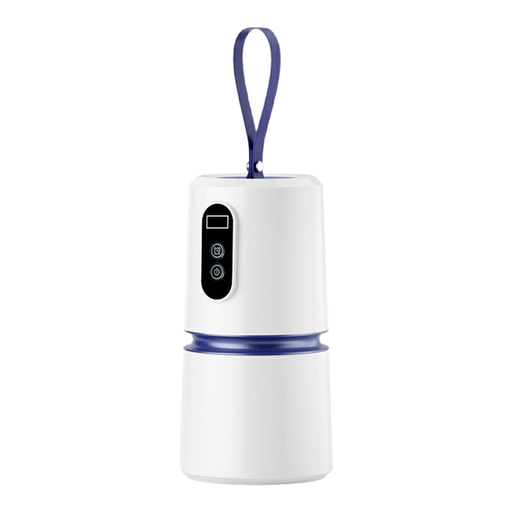
This model is described as having a drying bag, making it different from an open heated airer. Check whether the enclosed design is suitable for your tea towels.
Capacity listed in the product name: 5–10 kg.
No, drying doesn’t replace washing. The consumer advice centre recommends letting tea towels dry thoroughly after use, changing them at least once a week and washing them at a minimum of 60 °C.
Yes, if you’re drying indoors. Drying washing releases water into the air, and the consumer advice centre recommends regularly changing the air to remove moisture.
Multiply the power rating in kilowatts by the actual running time in hours. AdlerEurope lists the AD 7821 at 220 W. Four hours of continuous use would work out as 0,22 kW × 4 h = 0,88 kWh. This is a calculation example, not a measured drying time.
In Germany, the 1. ProdSV applies to new electrical equipment within the scope of 50–1.000 V AC. Under the conformity assessment procedure set out there, the manufacturer issues an EU Declaration of Conformity and affixes the CE marking. This doesn’t mean that any particular product listed here has been individually checked. Source: Federal Ministry of Justice, Gesetze im Internet.