What should you look for when buying?
First check which drying methods are allowed, then consider how you’ll hang the pillowcases and where you’ll put the airer. Heat is only an option if the care labels and appliance instructions allow it.
Folding airer with heated bars
A good fit if you can hang several suitable pillowcases separately and want to put the airer away after use. Compare the bar layout and dimensions when fully opened.
Things to consider The appliance uses electricity and takes up floor space while in use; heated bars don’t guarantee a particular drying time.
Folding airer with temperature control and timer
A good fit if you’d also like to set the temperature and running time, and the pillowcases’ care labels allow heat. InnovaGoods lists six temperature settings from 35–60 °C and a timer of up to 12 hours for the Warmmat.
Things to consider These settings are the manufacturer’s specifications, not approval to use heat on a particular fabric or proof of a specific drying time.
Wall- or ceiling-mounted system with warm air
A good fit if you want to keep the floor clear and have a suitable permanent installation point with a power supply. Foxydry Pro is designed for wall or ceiling mounting.
Things to consider Installation and a power connection are additional requirements to bear in mind if you only dry individual pillowcases occasionally.
Unheated clothes airer
A good fit if you have enough time and drying space, and would rather avoid using extra electricity for an appliance. The Leifheit Pegasus Family 18m is one example of a freestanding, unheated airer.
Things to consider This model doesn’t have a heat function; when drying clothes indoors, you’ll need to ventilate the room to remove moisture.
| Priority |
What to check when buying |
Who might find this especially important? |
| Separate hanging space |
Compare the usable bar length and layout with your pillowcases; allow for the airer’s full dimensions when open. |
If I need to dry several pillowcases soon after a trip, I want to be able to hang them separately. Around 33% of consumers put sufficient hanging space and predictable drying first. |
| Suitable fabric care |
Check the care label on each pillowcase; only use heat if the care instructions and appliance manual allow it. |
With delicate pillowcases, I want to make sure the drying method is suitable for the fabric first. Around 25% of consumers prioritise caring for the pillowcase fabric. |
| Floor space and storage |
Check the dimensions separately when open and folded; if it needs to be installed, check the requirements at the intended location. |
If space for walkways or storage is limited, the room it takes up before and after drying matters to me. Around 25% of consumers prioritise floor space and storage. |
| Electricity and room humidity |
Consider the rated power and planned running time separately; choose a drying spot that can be ventilated. |
If I want to avoid using extra electricity for an appliance and take humidity in the home into account, this is a key consideration for me. Around 17% of consumers put energy use first. |
Joybuy products for drying clothes
This Joybuy selection includes electric clothes airers and enclosed clothes dryers for indoor use. The designs vary, so before buying an electric appliance for use in Germany, check the specific model’s mains voltage and EU conformity information. A CE mark alone doesn’t show that heat is suitable for a particular pillowcase.
 No image available
Folding heated clothes airer, 45–55 °C
Could be worth considering if you’re looking for a folding heated airer for suitable pillowcases and have space to set it up.
Specifications include 144 × 53 × 96 cm, 230 W and a maximum load of 10 kg.
The temperature specification doesn’t replace the pillowcase care label or the appliance instructions.
View at Joybuy
 No image available
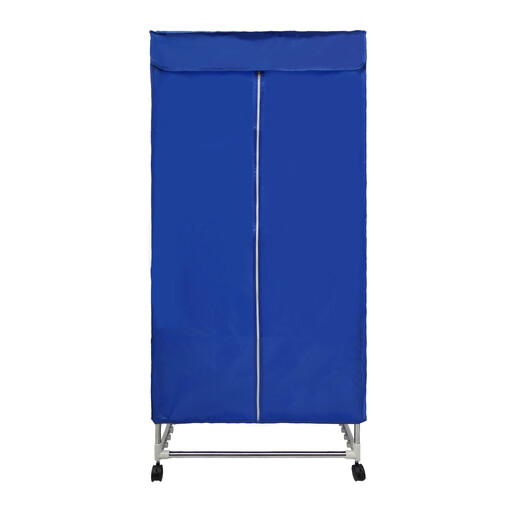
Portable electric clothes dryer
This enclosed dryer design differs from an open clothes airer; check whether it suits your drying space and pillowcases.
The product description lists 1,200–1,500 W, four timer settings, a single- or double-tier hanging rail and a maximum load of 66,14 lb.
View at Joybuy
 No image available
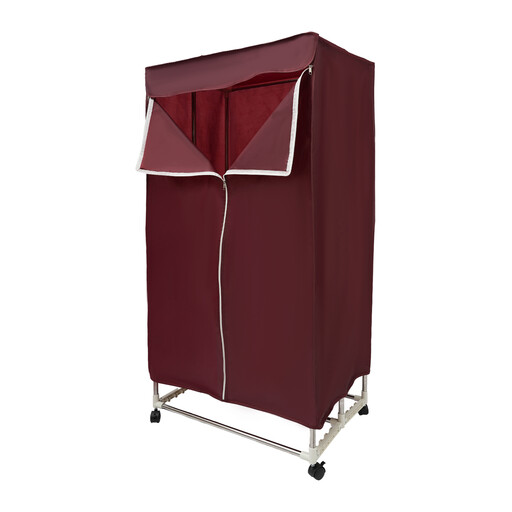
Folding electric clothes dryer, 1200 W, touchscreen, burgundy
Could be relevant if you’re considering a folding enclosed dryer with a timer instead of an open heated airer.
Specifications include 1,200 W, four timer settings and a maximum load of 66,14 lb; the description lists a single- or double-tier hanging rail and PTC heating.
View at Joybuy
 No image available
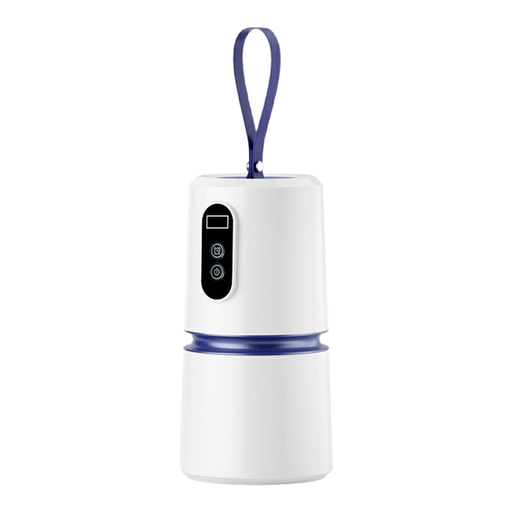
Portable folding mini clothes dryer with PTC ceramic heater
This compact dryer design could be worth considering if you’re looking for a portable alternative to an open clothes airer.
The title lists a timer setting of up to 240 minutes, less than 500 W and a load capacity of 5–10 kg of clothing; the description states that heat is distributed through 360°.
View at Joybuy
Frequently asked questions
Can you dry any pillowcase on heated bars?
Not necessarily. Check the care instructions for the pillowcase and the appliance manual. GINETEX distinguishes, among other things, between natural drying on a line and drying flat; a temperature control doesn’t replace this guidance.
Where should I put a clothes airer in my home?
Check the space available with the appliance fully open and the pillowcases hanging. A mounted system also needs a suitable fixing point and a power supply. When drying clothes in living areas, ventilate more to remove moisture; Germany’s Federal Environment Agency recommends this too.
Can I work out the drying time from the wattage or temperature?
No, these details can’t tell you exactly how long your pillowcases will take to dry. The manufacturer’s power or temperature specifications describe the appliance, not the result for a particular fabric.
What marking should I look for on a new electric model for use in Germany?
For electrical equipment operating at 220–240 V AC and falling within the scope of the Low Voltage Directive 2014/35/EU, the relevant EU conformity requirements must be observed. EUR-Lex sets out the scope of the Directive; the European Union notes that the manufacturer is responsible for meeting applicable requirements and applying the CE marking. This doesn’t mean that the appliance is suitable for a particular pillowcase.
What happens if the appliance is faulty, and what are my rights when buying online?
In Germany, the seller’s statutory liability for defects is separate from a voluntary guarantee. Online purchases generally come with a 14-day right of withdrawal; the Verbraucherzentrale explains that the time limit and conditions depend on the specific purchase. Your rights for faulty goods are separate from withdrawing because you’ve changed your mind.


