For aprons you need again soon
For people who wash aprons regularly and want to see whether they can dry them flat on heated bars or hang them up to dry with warm air, without taking space away from other washing.


If you need an apron again soon, a heated clothes airer may be an option, provided the way it hangs and the heating method suit the garment. Heated bars and warm-air systems work differently, but neither guarantees a specific drying time. For a mixed weekly wash, you’ll also need to consider the usable drying space, spacing and load capacity. If you dry clothes indoors, ventilation remains important: the Verbraucherzentrale advises regularly replacing damp indoor air. Before buying, also check the identity of the specific appliance, the manufacturer’s information and the required safety information. CE marking is necessary if the appliance is covered by the relevant EU regulations.
For people who wash aprons regularly and want to see whether they can dry them flat on heated bars or hang them up to dry with warm air, without taking space away from other washing.
For people who dry aprons alongside laundry of different sizes and need suitable hanging space, a convenient spot for the airer and somewhere to store it after use.
For people who dry clothes indoors and need to consider air circulation and humidity in the room as well as their choice of appliance.
First decide whether you want to lay your aprons flat on heated bars or hang them on hangers in a warm-air dryer. Then check the space available for the rest of your washing, where the airer will stand and what you need to consider when drying clothes indoors.
| What you need | What to look for when buying | Who will find this particularly useful? |
|---|---|---|
| Drying aprons in time | A hanging arrangement suited to the length of your apron; space between items and the type of heat output. | If I need an apron again soon, I need to be able to hang it without it being crowded by the rest of the washing. Around 25% of people are likely to prioritise having their apron dry in time. |
| Fitting in a mixed weekly wash | Dimensions when open and hanging options; space for long items and the stated load capacity. | With a mixed load, I want to be able to arrange aprons, long items and smaller pieces of laundry sensibly. Around 25% of people are likely to prioritise this. |
| Humidity indoors | Whether the area where you’ll set it up can be ventilated; if you dry clothes indoors regularly, keep an eye on the room’s humidity. | If I regularly dry clothes indoors, I want to be able to replace damp air reliably. Around 20% of people are likely to prioritise room humidity. |
| Space to use and store the airer | Dimensions when open and folded; if it needs to be mounted, check that there’s a suitable place for it. | If space is limited, I need an airer that fits when in use and can then be stored away or mounted in a suitable place. Around 15% of people are likely to focus mainly on limited space. |
| Power use and fabric care | Rated power in W and actual running time; follow the care labels and appliance instructions for each item. | When washing different fabrics, I want to follow the care instructions and avoid judging power use by wattage alone. Around 15% of people are likely to prioritise this. |
The rated power alone doesn’t tell you how long a particular apron or mixed weekly wash will take to dry.
Compare the power rating with the actual running time. Without measurements taken under comparable conditions, don’t assume a drying time or lower energy use per load.
Drying clothes with heat still releases moisture into the room. According to the Verbraucherzentrale, poor air circulation can increase the risk of mould.
Choose a spot that can be ventilated and regularly replace the damp indoor air.
Long aprons and other items need space when the airer is in use. A stated load capacity doesn’t tell you whether you’ll be able to hang everything with enough room between items.
Check the dimensions when open and the hanging options against your laundry and the space where you plan to put the airer.
The following brands offer different heated drying solutions. Their inclusion doesn’t indicate availability or amount to a general assessment of quality.
The Adler AD 7821 is a foldable airer with heated bars for aprons and other items hung up to dry.
The 850-048 is a foldable heated airer with two tiers for hanging different items separately.
Dupledry Blue is a warm-air drying rack with a cover and hanger holders, rather than a traditional airer with heated bars.
Foxydry Pro is a fixed warm-air drying rack for people who want to keep floor space clear and have a suitable ceiling or wall for mounting it.
The following Joybuy products include foldable heated clothes airers and warm-air dryers. Compare the hanging options, dimensions and load capacity with your laundry, and check the information for the specific appliance and any required safety information before buying.
 Image unavailable
This foldable design may suit you if you want to put the airer away after drying. Check that there’s enough space for your mixed load.
The listed specifications are 45–55 °C, 230 W and a maximum load capacity of 10 kg.
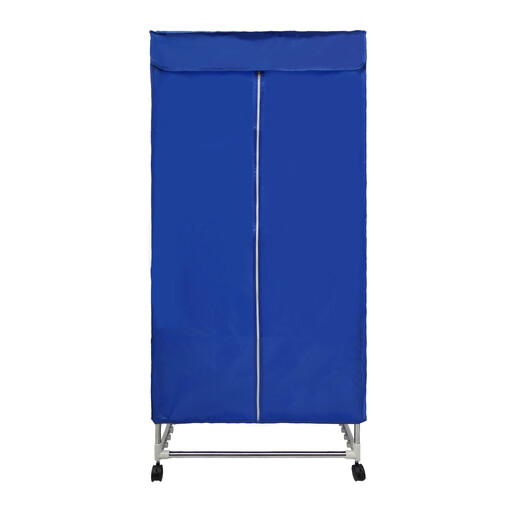 Image unavailable
The single- or double-tier design described may suit items of different lengths. Check that there’s enough room for your aprons.
The listed specifications are 1200–1500 W, four timer settings, wheels and a maximum load capacity of 66.14 lb.
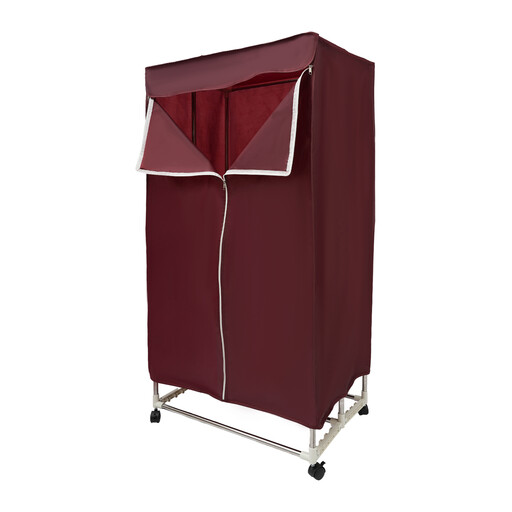 Image unavailable
This foldable design with wheels may suit you if you need a moveable airer. Check that its hanging options work for your aprons and other washing.
The title lists a load capacity of 66.14 lb and a timer. The description also mentions a thermostat and a temperature cut-out.
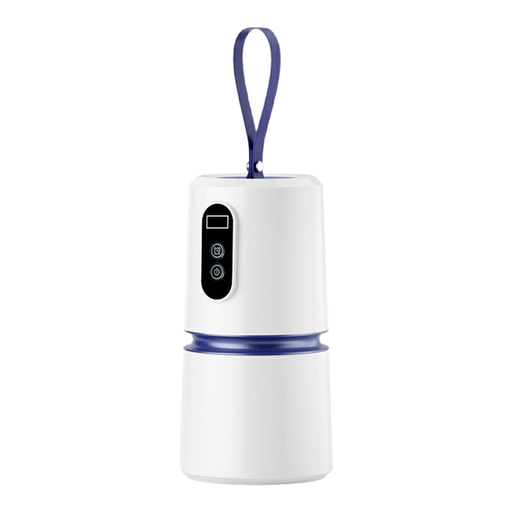 Image unavailable
This compact design with a drying bag may suit you if you’re looking for a foldable appliance that doesn’t need to be installed. Check that its capacity is right for your weekly wash.
The listed specifications are a power rating of under 500 W, a timer of up to 240 minutes and a load capacity of 5–10 kg. The description also mentions 360° heat distribution.
No. Heated laundry still releases moisture into the room. The Verbraucherzentrale recommends regularly replacing indoor air by opening windows wide or creating a through-draught, and keeping an eye on room humidity.
That depends on the fabric, the care label and the instructions for the specific appliance. Check both before drying an apron with heat. A tumble-drying symbol doesn’t automatically mean the item can be dried on any heated airer.
Multiply the power in kilowatts by the running time in hours. For the Adler AD 7821, 220 W running continuously at its rated power for five hours works out at 1.10 kWh. This is a calculation, not a measured figure or proof that the laundry will be dry.
If the specific appliance is covered by harmonised EU rules that require CE marking, it must have it. The European Union explains that this requirement applies only to products for which the relevant rules expressly require it. The Bundesnetzagentur also highlights checking the product identity, manufacturer’s information and German-language safety information. CE marking is not an independent quality mark.
Your statutory rights against the seller are separate from any voluntary manufacturer’s guarantee. New goods are generally covered by a two-year statutory limitation period. Many online purchases also come with a 14-day right to cancel. The Verbraucherzentrale explains that you should check the requirements and when the period starts for your specific purchase.