
Lieferung heute & morgen

Qualitätsgarantie

Willkommens-Angebote freischalten: KOSTENLOSE Lieferung | Bis zu 80 % RABATT | Kostenlose 30-Tage-JoyPlus-Testphase
App herunterladen
A heated foot massager can be a practical way to unwind after a long day at work, spending hours on your feet or doing sport. But there’s a wide range of devices on the market, from electric foot spas with massage functions and compact Shiatsu foot massagers to compression leg massagers.
What matters isn’t how many features a device claims to offer, but whether it suits your habits, available space and safety needs.
A “heat function” doesn’t mean the same thing on every model. Some devices heat water, while others provide dry heat through heated surfaces. Without temperature settings, a display or an automatic shut-off, it can be hard to control how you use the device. For a foot spa, it should also be clear whether the temperature is simply maintained or actively increased.
Terms such as “Shiatsu”, “acupressure” and “circulation” often describe the type of movement or the advertised use, but don’t prove that a device has any medical benefits. Rollers, pressure points, vibration and air compression all feel different. If you have sensitive feet, look for low intensity settings and keep sessions short.
A heated foot spa needs to be emptied and dried thoroughly after every use. Water, massage attachments and additives such as bath salts can make cleaning more difficult. Weight matters too: a full device isn’t always easy to move safely. Rollers and a drain can be more practical than an especially large basin.
When choosing an electric foot spa with massage, three details are particularly important:
A higher temperature isn’t automatically more comfortable. If you have reduced sensitivity to heat, only use heated electrical devices after consulting a medical professional.
A foot spa with roller massage combines warm water with mechanical movement. Rollers under the soles of your feet are a good option if you prefer a water-based treatment. A dry Shiatsu foot massager takes up less space and is quicker to set up, but its firm massage heads may feel more intense.
A foot and calf massager with air chambers works by applying adjustable pressure. Look for:
Water-based devices should have a drain, removable parts and clear care instructions. Only use additives such as herbs, essential oils or bath salts if the manufacturer explicitly allows them. Filter bags can help protect pumps and pipes from residue.
A stable base, an undamaged power cable and using the device with dry hands are also important. Never use a foot spa while standing. If you have open wounds, skin inflammation, diabetes, vascular problems, are pregnant or have a known cardiovascular condition, it’s sensible to seek medical advice before use. Stop immediately if you experience pain, numbness or unusual redness.
The models below vary in design, massage method and intended use. The details are based on the product information provided.
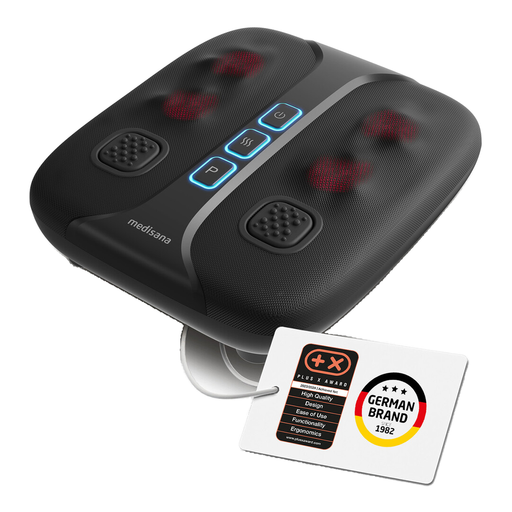
Why this product suits this profile: This compact dry massager doesn’t need water and can be stored away neatly after use. It’s designed for anyone looking for a simple massage for their feet and heels, with heat they can switch on as needed.
The heat function has two intensity settings. Height-adjustable front feet let you change the massage position.
12 Shiatsu massage heads, two vibration plates around the heels and a slim casing.
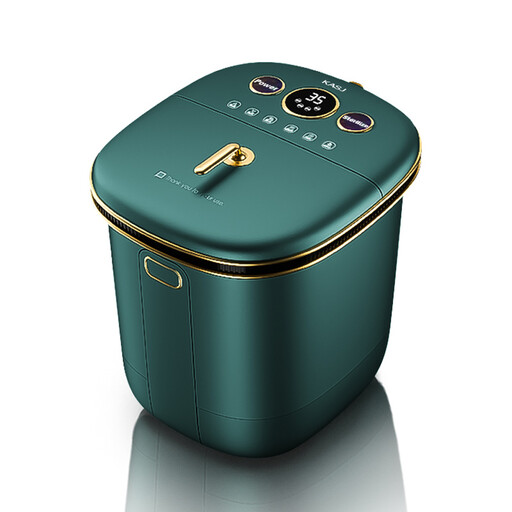
Why this product suits this profile: The deep basin, temperature display and adjustable heating make it a good choice if you want to make an electric foot spa with massage part of your regular wellness routine.
The temperature range of 35 to 48 °C, LED display, 10 to 60-minute timer and drain make it easier to control how you use the device.
Six sets of rotating rollers, two moving pressure-point zones, pump circulation and four castors.
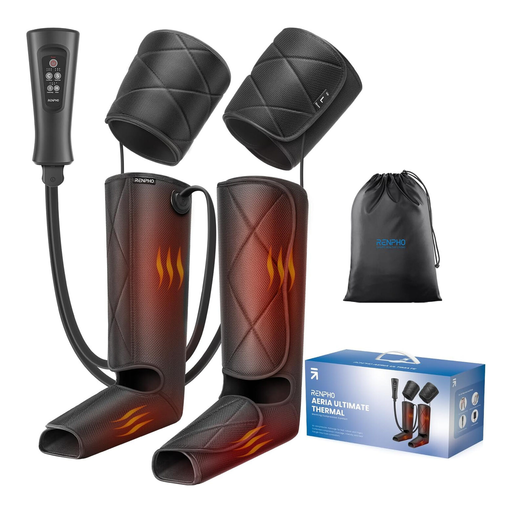
Why this product suits this profile: This model covers the feet, calves and thighs, making it a good choice if you prefer a compression leg massager to a water-based foot spa.
Four intensity settings and six modes let you adjust the massage gradually. The Velcro straps should be loose enough to avoid creating a feeling of pressure.
Two heat settings, air compression for several areas of the legs, a removable thigh section and automatic shut-off after 20 minutes.
To work out electricity costs, you’ll need to know the power consumption in watts, how long you use the device each day and your electricity tariff. The calculation is simple:
Power in kilowatts × hours of use × price per kilowatt-hour = running costs.
A water-based foot spa also takes time to fill, heat and dry. With a dry foot massager, you can skip these steps, while a compression massager usually needs more storage space for its cuffs and hoses. So, if you’re buying a wellness gift, think about how easy it will be for the recipient to use, as well as the features it offers.
We’ve put together a complete, regularly updated list of products that meet these strict selection criteria and fully comply with the safety regulations in force in the EU.
The recommended duration depends on the model. Many devices have an automatic shut-off after 20 to 30 minutes. Follow this guidance. When using heat, don’t fall asleep, and stop immediately if you experience a burning sensation, numbness or pain.
That depends on mobility, sensitivity to heat and general health. The device should be stable, easy to use and safe to handle without getting the cable wet. If you have diabetes, vascular problems, reduced sensation or open areas of skin, consult a medical professional before use. Children and anyone with reduced awareness should not use this type of device unsupervised.
A foot spa with roller massage combines water, heat and mechanical rollers, but needs to be cleaned and dried afterwards. A compression massager works without water and, depending on the model, can also cover the calves and thighs. The right choice depends on which areas you want to massage, how much storage space you have and how sensitive you are to pressure.