
Lieferung heute & morgen

Qualitätsgarantie

Willkommens-Angebote freischalten: KOSTENLOSE Lieferung | Bis zu 80 % RABATT | Kostenlose 30-Tage-JoyPlus-Testphase
App herunterladen
Long days at the desk, an awkward sleeping position, or everyday stress can lead to tension in the neck and shoulder area for many people. A heated neck massager promises relief and at-home relaxation. However, the market is crowded, and not every device delivers on its promises.
As your Joybuy Product Recommendation Officer, I'm here to help you separate the wheat from the chaff. In this guide, I'll show you what pitfalls to watch out for and which technical features are truly crucial for making an informed decision.
Many devices advertise impressive features, but in practice, they often have flaws that severely limit their usefulness. Pay attention to these three common problems to avoid a bad purchase:
To find the right device for your needs, you should focus on objective, technical parameters. The following three aspects are crucial for the function and benefit of a massager.
The type of massage is critical. Simple vibration devices only loosen muscles superficially. A Shiatsu neck massager, on the other hand, uses rotating nodes to mimic the pressure and kneading movements of a real Shiatsu massage to release deeper tension.
Look for these features:
An effective heat function is more than just a marketing promise. It should penetrate the muscles to promote blood circulation and enhance the effect of the massage.
Important technical specifications:
The choice of form factor depends on your intended use.
The power supply determines flexibility. An electric neck massager with a battery offers maximum freedom of movement, while corded models often deliver consistently high power.
Based on the criteria above, we have identified a few models that are suitable for different user profiles.
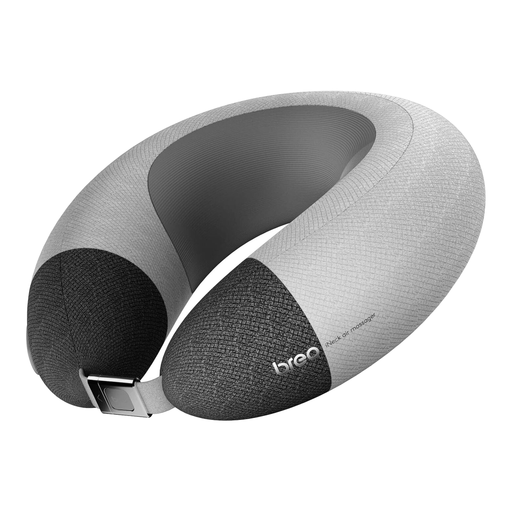
Why This Fits Their Persona: Ideal for people who are always on the go. The inflatable design makes it extremely compact and lightweight, while the battery operation and quiet motor allow for undisturbed use on a plane, train, or in the office.
It solves the portability problem with its inflatable design and USB-rechargeable battery. The U-shaped pillow also adapts well to the neck, avoiding the 'one-size-fits-all' trap.
Inflatable and Ultra-Lightweight: Inflates and deflates at the touch of a button. 3 Massage Modes with Heat: Offers a customisable Shiatsu kneading massage.
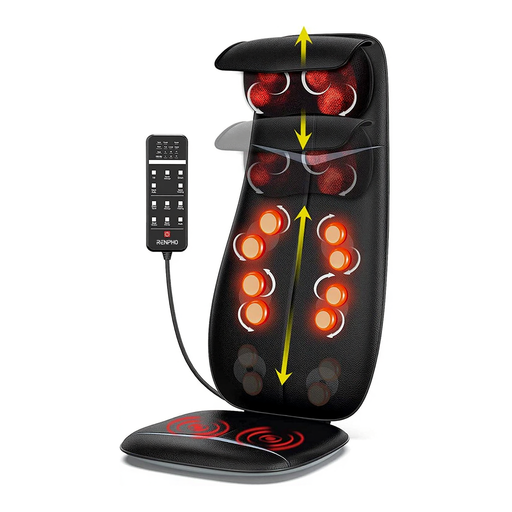
Why This Fits Their Persona: Perfect for users looking for a complete at-home solution. This massage pad targets not only the neck and shoulders but the entire back, providing comprehensive treatment for tension caused by prolonged sitting.
The height-adjustable neck pillow and ergonomic S-shaped back design counteract the 'one-size-fits-all' problem. The optional heat function can be applied to the entire back.
Full-Body Massage: Combines Shiatsu, kneading, rolling, and vibration for the neck, shoulders, and back. Customisable Zones: Massage the full, upper, or lower back, plus a spot function.
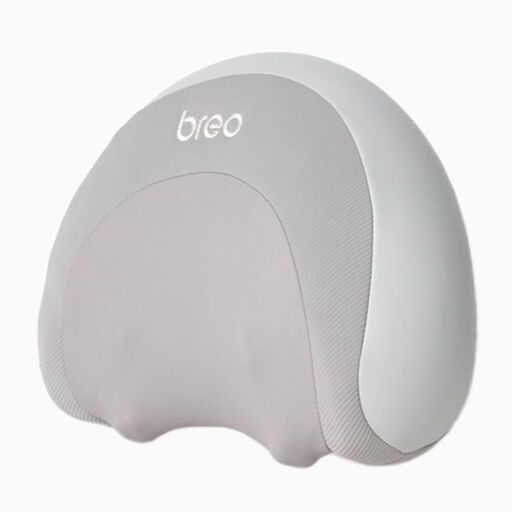
Why This Fits Their Persona: For users seeking a versatile pillow that isn't limited to just the neck. Its wave design is equally well-suited for the lumbar spine, offering targeted relief after long periods of sitting.
The innovative 15° tilting technology enables an adaptive massage that conforms to different body contours. The intelligent NTC heating system ensures precise and even heat distribution between 40°C and 45°C.
Adaptive Massage Technology: The 15° pivot range adjusts to the curves of the neck, shoulders, and back. Versatile Use: Can be used as a neck pillow and a massage cushion for the waist.
We have compiled a complete, up-to-date list of products that fully meet these strict selection criteria and all relevant safety regulations.
Most manufacturers recommend a usage time of 15 to 20 minutes per session. Many devices have an automatic shut-off function to prevent overworking the muscles. Depending on individual needs and the degree of tension, the device can be used once or twice a day.
Never place the device directly on bare skin to avoid skin irritation or minor burns; using it over a thin piece of clothing is advisable. Individuals with reduced heat sensitivity, for example, due to certain medical conditions, should use the heat function with caution or not at all. Always follow the manufacturer's safety instructions.
An electric neck massager can help loosen muscular tension and thus contribute to relieving neck pain. However, it is important to understand that these devices are not medical products and do not replace medical treatment. For acute, persistent, or radiating pain, you should definitely consult a doctor or physical therapist to determine the cause.