
Lieferung heute & morgen

Qualitätsgarantie

Willkommens-Angebote freischalten: KOSTENLOSE Lieferung | Bis zu 80 % RABATT | Kostenlose 30-Tage-JoyPlus-Testphase
App herunterladen
By a Joybuy Product Recommendation Officer Published August 30, 2026
A wet-dry vacuum that mops and vacuums simultaneously promises to be a significant time-saver in any household. Models with a hot water function take this a step further, aiming for a deeper, more hygienic clean. However, not every device lives up to its advertising claims. Before you make a purchase, it's crucial to understand the typical weaknesses that often only become apparent after a few weeks of use.
This guide highlights the essential features a high-performance heated wet-dry vacuum should have and helps you avoid common purchase traps.
Many devices on the market look convincing at first glance but reveal their shortcomings only through daily use. Pay close attention to these three points to avoid a poor investment.
To avoid the problems mentioned above, you should base your choice on objective technical features. The following three parameters are decisive for the performance and longevity of a wet-dry vacuum.
The ability to dissolve stubborn dirt is directly linked to water temperature. A floor cleaner for grease stains and dried-on substances benefits enormously from heated water. Look for devices that actively heat the water to a high temperature (e.g., over 60°C / 140°F) and deliver it directly to the brush roller. Cold-water models, or those where you simply add warm tap water, lose temperature quickly and offer significantly lower cleaning power on oily or sticky residues.
A well-thought-out device structure is the key to avoiding manual rework.
An advanced self-cleaning station is more than just a rinsing device. A high-quality system should include the following features:
Based on the criteria above, we have identified products that offer a suitable solution for specific user profiles and their requirements.
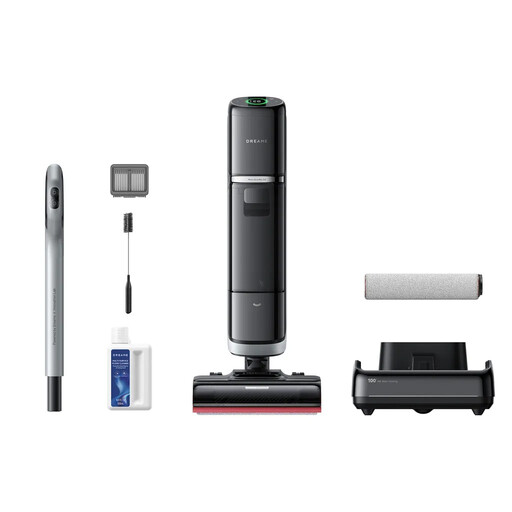
Why This Fits Their Persona: Ideal for families with children and pet owners seeking an all-in-one solution for maximum hygiene on hard floors. The device combines powerful vacuuming and mopping with intelligent features for a thorough deep clean.
This device addresses all three core problems: The GapFree AI Descend Reach system ensures seamless edge-to-edge cleaning. The ThermoTub 100°C self-cleaning with subsequent drying prevents odour buildup. The ThermoRinse 85°C hot water technology effectively dissolves grease and stubborn dirt.
The combination of 85°C hot water cleaning, a 180° lay-flat mechanism, and fully automatic hot-air brush drying offers a comprehensive and hygienic cleaning solution.
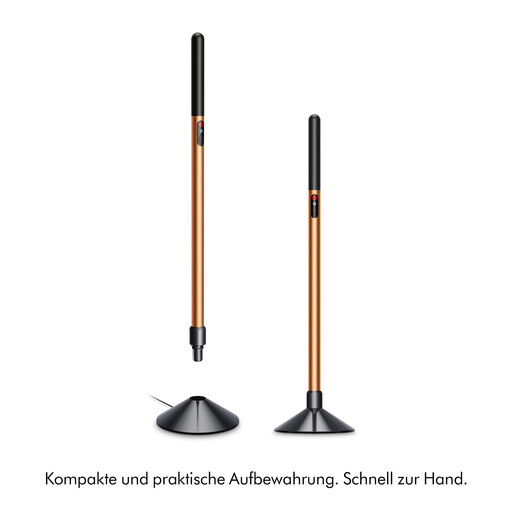
Why This Fits Their Persona: Suitable for users in apartments or as a secondary device for quick wet cleaning of kitchens and bathrooms. The focus is on maneuverability and a lightweight design for the uncomplicated removal of everyday wet spills.
The extremely slim design allows for excellent maneuverability around furniture. Since there is no complex self-cleaning station, it avoids the trap of an ineffective automatic system; maintenance of the removable roller is direct and straightforward.
The very low weight of only 2.1 kg (4.6 lbs) and the slim design make the device exceptionally agile and easy to handle. It glides effortlessly across the floor and is ready for use in an instant.
We have compiled a complete, up-to-date list of products that fully meet these strict selection criteria and UK/EU safety regulations.
The effectiveness varies greatly by model. A high-quality self-cleaning function should not only rinse the brush roller but ideally clean it with hot water and then actively dry it. Systems that only use cold water and leave the roller damp can lead to odour and bacteria growth. Therefore, always check the detailed specifications of the cleaning station.
For properly sealed hard floors like parquet, laminate, vinyl, or tile, use is generally safe. The devices release only a controlled amount of water, which is immediately vacuumed up, so the floor does not become saturated. However, caution is advised for unsealed, oiled, or heavily worn wood floors. It is recommended to check the flooring manufacturer's instructions and test the device on an inconspicuous area first.
For households with predominantly hard floors, a powerful wet-dry vacuum can largely replace a traditional vacuum, as it picks up dry and wet debris in a single pass. However, for high-pile carpets, a classic vacuum cleaner with a specialised carpet brush remains the more suitable solution. Many users find a combination of both device types to be ideal for comprehensive home cleaning.