
Lieferung heute & morgen

Qualitätsgarantie

Willkommens-Angebote freischalten: KOSTENLOSE Lieferung | Bis zu 80 % RABATT | Kostenlose 30-Tage-JoyPlus-Testphase
App herunterladen
A chilly home office, a guest room that’s only used occasionally or underfloor heating with inflexible controls all have different requirements. When choosing heaters and smart thermostats, it’s not just about wattage or an impressive list of features. The key factors are where you’ll use the product, how it’s controlled, its safety features, how it connects and the likely running costs.
An electric fan heater rated at 1,800 or 2,000 W can warm a room quickly. However, it will use a corresponding amount of electricity when running at full power. The wattage indicates the maximum electrical input, not necessarily the efficiency of the heating overall.
For a rough cost estimate, use:
Power in kW × operating time in hours × electricity price per kWh = electricity costs
An ECO mode, programmable thermostat or automatic shut-off can reduce running time. However, they don’t change the physics of direct electric heating: while the heater is on, the electrical energy it uses is converted into heat.
When choosing a ceramic fan heater, check its stated noise level, available heat settings and temperature control. A remote control makes it easier to use, but doesn’t automatically reduce energy consumption.
With a Wi-Fi thermostat, compatibility and installation are the key considerations. A smart radiator thermostat must fit the existing valve. A thermostat with app control often needs a hub or a stable Wi-Fi connection. An underfloor heating thermostat has different requirements from a radiator thermostat.
A portable heater should be placed on a stable, level surface, with enough clearance from curtains, furniture and other flammable materials. Look for overheat protection and tip-over protection. These features don’t replace supervision or the need to follow the instructions.
A CE mark indicates that the manufacturer declares the product conforms to applicable EU requirements. It is not an independent quality assessment. You should also check the mains voltage, cable length, permitted use and guidance on connecting the heater to a socket. High-powered appliances shouldn’t be plugged into unsuitable extension leads or overloaded multi-socket adaptors.
A fan heater is best suited to warming specific areas for short periods. An oil-filled radiator takes longer to heat up, but its metal fins can distribute warmth more evenly around the room. The room size stated by the manufacturer is only a guide. Insulation, window area, ceiling height and outdoor temperature all affect how much heat you’ll actually need.
Check the following:
A manually adjustable thermostat is sufficient for occasional use. A programmable thermostat is useful if you regularly heat your home at set times. If you want to manage several rooms, a smart home heating system with app and voice control can make things easier.
Before you buy, check:
Fixed thermostats, particularly those for electric underfloor heating, should be installed in accordance with the instructions and applicable local regulations. The Hama model in this selection is specifically intended to be installed and fitted by a qualified electrician.
For portable electric heaters, overheat protection, tip-over protection, an undamaged mains cable and an uncovered air outlet are essential. Ceramic heating elements can allow for a compact design, while oil-filled radiators take up more floor space and are heavier.
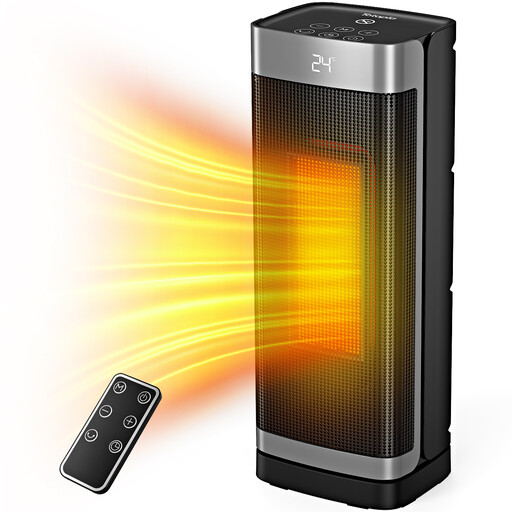
Why it suits this buyer: This compact ceramic fan heater offers two heat settings of 1,500 W and 2,000 W, a remote control, LED display and timer of up to 12 hours. It’s ideal for a bedroom, home office or individual seating area.
The two heat settings and timer help you avoid running the heater at maximum power all the time. Overheat protection and tip-over protection are specifically listed.
PTC ceramic heating, remote control, oscillation, LED display and 12-hour timer.
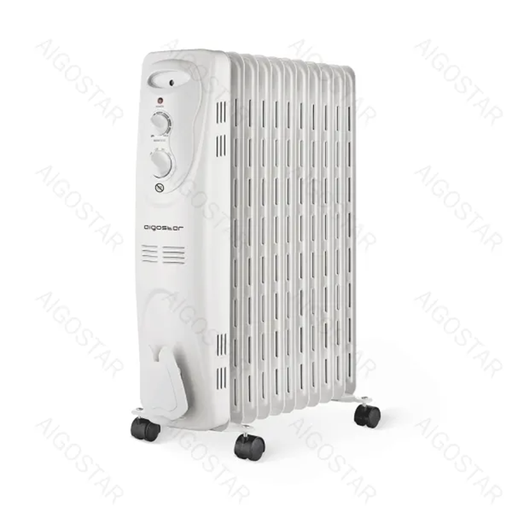
Why it suits this buyer: This oil-filled radiator is designed for occasional use in well-insulated, enclosed rooms. It has three heat settings and a mechanical thermostat adjustable from 5 to 35 °C.
The three clearly stated heat settings mean you don’t have to rely solely on the 2,300 W setting. Overheat protection and a tip-over switch are built in.
11 fins, four 360-degree castors, 1.8 m cable and temperature control from 5 to 35 °C.
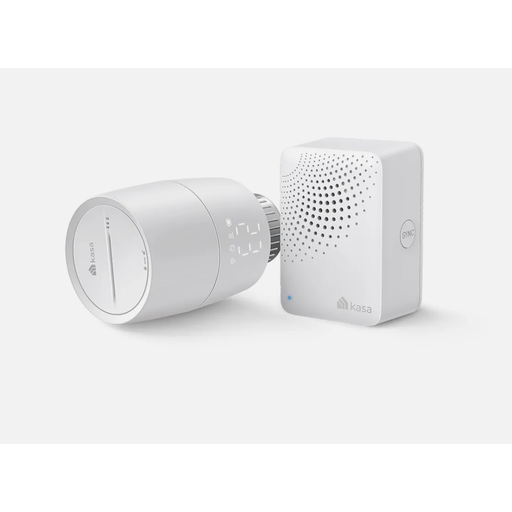
Why it suits this buyer: This set is designed for households that want to control their radiators by schedule, through an app or using compatible voice assistants.
The package contents list the thermostat and hub separately. This makes it clear that the hub is needed for app control. Adaptors for several valve types are included.
Matter support, temperature range of 5 to 30 °C, open-window detection and the option to connect up to 32 thermostats per hub.
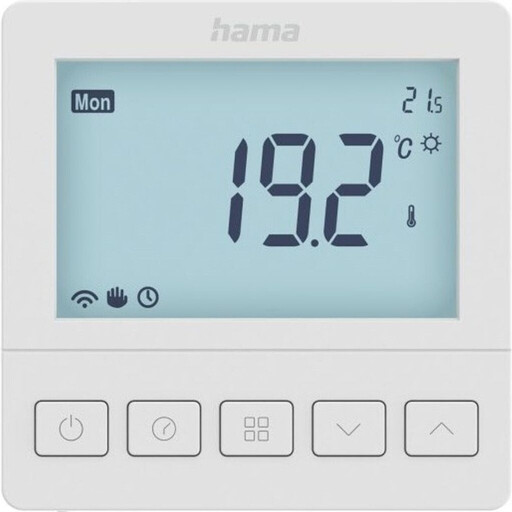
Why it suits this buyer: This recessed model is designed for compatible underfloor heating systems. It offers manual controls, app control and voice commands via Alexa, Google Assistant and Apple Siri.
The intended use for underfloor heating is clearly stated. The instructions also take into account the need for installation by a qualified electrician.
Wi-Fi control, LCD display, child lock and temperature range of 5 to 35 °C.
We’ve put together a complete, regularly updated list of products that meet these strict selection criteria and fully comply with the safety regulations in force in the EU.
It depends on how long you use it, its power rating and your electricity tariff. A fan heater usually warms the surrounding area quickly, making it suitable for short periods. An oil-filled radiator often takes longer to heat up and is heavier to move. For running costs, the most important factors are the actual power used and how long the heater is on.
An app-controlled thermostat can be useful if you regularly schedule heating times or manage several rooms. This feature isn’t essential if you only adjust the heating manually from time to time. Before you buy, check whether you need a hub and whether the valve, heating system and smart home platform are compatible.
Lifespan depends on how often the heater is used, how much dust it’s exposed to, how it’s stored and how well it’s made. Regularly cleaning the air intake, keeping the heater in a dry place and following the instructions can help keep it working well. If the cable is damaged, or you notice an unusual smell, sparks or smoke, stop using the heater immediately.