Choose a camera based on the complete kit and the subjects you want to photograph. For wide heathland scenes, look for a suitable angle of view and controllable exposure; for individual flowers, choose a lens with the right magnification and working distance. Stabilisation can compensate for camera shake, but it won’t keep flowers still in the wind. So check the lens, what’s included in the kit and how easy the camera is to use, as well as the camera body.
Who this camera guide is for
Heathland landscape photographers
If you want to capture the sky and heathland in changing light, you should be able to control exposure and framing precisely. Canon Academy explains how to adjust aperture, shutter speed and ISO for landscape photography; Nikon Germany describes the extra flexibility RAW files offer when editing later.
Photographers who hike across the heath
If you’re covering longer distances, you’ll need to weigh up the weight of your complete camera and lens kit against the stabilisation and lens options you want. The camera body’s stated weight is only part of the total.
Flower detail photographers
If you want to photograph individual heather flowers rather than wide landscapes, check the magnification and working distance of the lens you’ll actually be using. Joybuy explains what to look for when taking close-ups of small flowers.
What to look for when buying
First, decide what you want to photograph, then compare complete kits. The lens, controls and carrying weight matter just as much as the camera body’s features.
| What matters to you |
What to check when buying |
Who this matters most to |
| Exposure in changing light |
Check for manual control of aperture, shutter speed and ISO, as well as RAW capture. |
If I want to adjust exposure deliberately in changing morning, daytime and evening light, and edit my photos later, control over the camera and file format is essential. Around 31% of consumers put exposure first. |
| Weight of the kit |
Consider the camera body and intended lens together; only compare weights measured on the same basis. |
On longer walks, I want to consider not just the body’s weight, but also the lens attached to it and what’s actually included in the kit. Around 25% of consumers prioritise the lightest possible complete kit. |
| Wide landscapes and details |
Check the lens’s angle of view and the resolution you’ll need for prints or cropping. |
If I want to capture the sky, heathland and foreground in one frame, I need a suitable angle of view. Resolution may also matter for larger prints. Around 19% of consumers put landscape detail first. |
| Individual flowers |
Check the maximum magnification and usable working distance of the specific lens. |
For small flowers, I want to know how large the subject will actually appear when photographed from a practical position. Around 13% of consumers prioritise close-ups of individual flowers. |
| Protection in damp weather |
Check the protection rating for the specific camera body and attached lens separately. |
If I’m taking photos in damp weather, I want to assess the protection offered by the complete kit, rather than relying on a rating for the body alone. Around 12% of consumers put weather protection first. |
How to avoid common buying mistakes
-
Comparing the camera body’s weight with the weight of a complete kit
Manufacturers don’t always state weights on the same basis. A lightweight body alone doesn’t tell you how much the camera and lens will weigh together on a walk.
Compare the body, intended lens and included accessories separately, then consider them as a complete kit.
A lens you need to buy separately or a charger that isn’t included can affect how you prepare and pack. According to Nikon, the Nikon Z50II kit with 16–50 mm VR does not include a charger.
-
Assuming stabilisation will keep flowers still
Stabilisation compensates for camera movement. If flowers are moving in the wind, choosing the shutter speed is still up to you.
When it’s windy, check a test shot and adjust the shutter speed rather than relying on stabilisation alone.
-
Assuming the camera body’s weather protection applies to every lens
A protection rating for the body doesn’t automatically mean that any lens combination will be protected too.
Check the information for the exact camera body and lens you plan to use.
For a fully weather-protected kit, you may need a lens with matching protection.
-
Assuming last year’s flowering dates will apply next season
Lüneburger Heide GmbH points out that flowering times depend on the weather. The Heideblüten-Barometer reported that the widespread heather bloom had ended on 28 September 2026.
Choose a camera to suit how you plan to use it, and check the current flowering conditions again before a future trip.
Key camera brands at a glance
Canon
The EOS R50 and EOS R7 differ in weight, resolution and in-body image stabilisation. These specifications apply to these models, not to all Canon cameras.
- Canon lists the EOS R50 at around 375 g with battery and card; according to Canon, the EOS R7 offers 32.5 MP and sensor-shift IS.
- According to Canon, the EOS R50 has no in-body sensor stabilisation. The EOS R7 weighs around 612 g with battery and card, in both cases without a lens.
Nikon
The specific Z50II kit with the NIKKOR Z DX 16–50 mm f/3.5–6.3 VR pairs the camera with a stabilised standard zoom lens.
- Nikon describes the kit lens’s angle of view as covering everything from wide-angle to portrait photography, and says it has lens stabilisation.
- According to Nikon, the kit mentioned here doesn’t include a charger. Check the contents of other Z50II kits separately.
Fujifilm
The X-T5 is aimed at people who want high resolution and direct exposure controls; according to Fujifilm, the X-S20 is more compact and has built-in stabilisation.
- Fujifilm lists the X-T5 at 40.2 MP and around 557 g, and the X-S20 at 26.1 MP and around 491 g.
- Resolution figures alone don’t prove better image quality in low light or show whether a particular lens kit is suitable.
OM SYSTEM
According to OM SYSTEM, the OM-5 Mark II is a compact interchangeable-lens camera with built-in stabilisation and an IP53-rated body.
- The manufacturer lists the body’s protection as suitable for outdoor use; the lens you use also matters when assessing the complete kit.
- CHIP rated the overall image quality as good in its review, but noted a loss of detail at higher ISO settings and in low light.
Sony
The Alpha 6700 is an APS-C interchangeable-lens camera for people who want to control framing and editing through their choice of lens and use of RAW files.
- Sony lists around 26.0 effective MP for photos and RAW capture.
- These manufacturer specifications aren’t an independent comparison of image quality against other models; the lens you choose is still part of the buying decision.
Camera options at Joybuy
The products below range from an APS-C system camera to pocket, action and 360° cameras. Depending on what you want to photograph, check the lens type, angle of view and suitability for close-ups.
 No image available
Sony Alpha 6100 APS-C system camera with 16–50 mm power zoom lens
The 16–50 mm power zoom lens named in the product title is worth considering when choosing how to frame landscape shots.
APS-C camera; 16–50 mm power zoom lens.
According to the product description, it isn’t waterproof; protect it from water and moisture.
View at Joybuy
 No image available
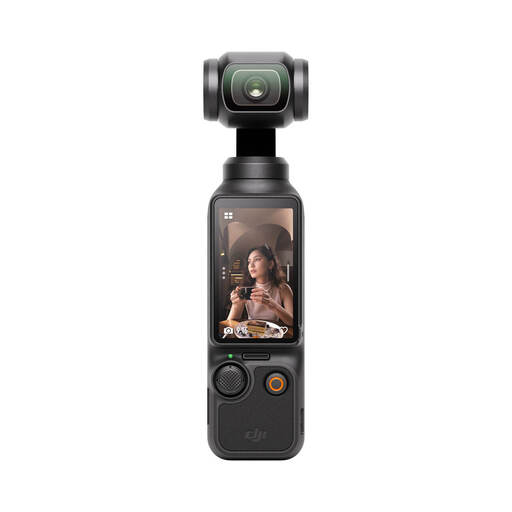
DJI Osmo Pocket 3
If you’re considering a pocket camera rather than an interchangeable-lens system, check that its design suits the landscapes and flowers you want to photograph.
1-inch sensor; 3-axis mechanical stabilisation; 2-inch rotating touchscreen.
The product title lists 4K recording at 120 frames per second.
View at Joybuy
 No image available
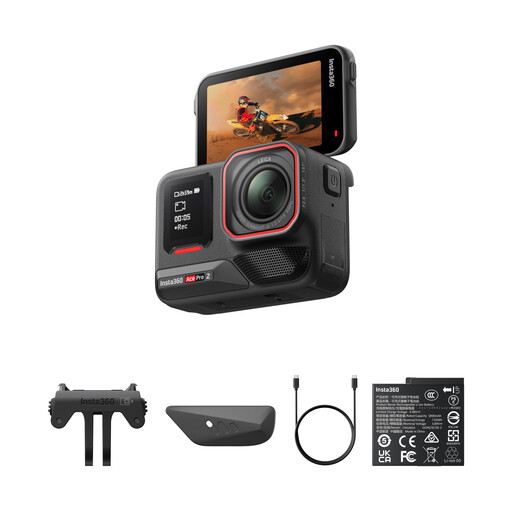
Insta360 Ace Pro 2 Dual Battery Bundle
This action camera is designed differently from an interchangeable-lens camera. Before buying, check that it suits the kinds of shots you have in mind.
1/1.3-inch sensor; waterproof action camera according to the product title.
The product title lists a Dual Battery Bundle.
View at Joybuy
 No image available
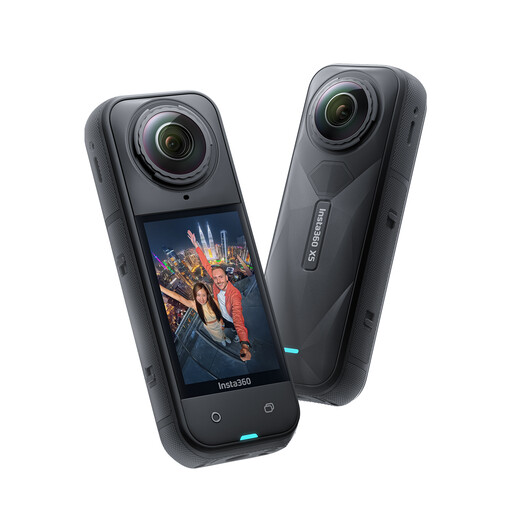
Insta360 X5 Waterproof 8K 360° action camera
With a 360° camera, check that the way it captures images suits the heatherland scenes you have in mind and the framing you want.
360° action camera; 8K video according to the product title.
According to the product description, the invisible selfie stick is sold separately.
View at Joybuy
 No image available
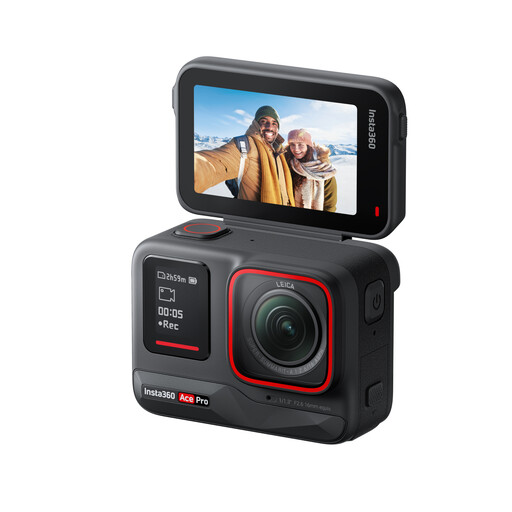
Insta360 Ace Pro
If you’re considering an action camera, check that its design suits the landscape shots and flower details you want to capture.
1/1.3-inch sensor; waterproof action camera according to the product title.
The product title lists 4K recording at 120 frames per second.
View at Joybuy
Frequently asked questions
What helps when the sun keeps disappearing behind clouds?
A camera with easy-to-reach manual controls for shutter speed, aperture and ISO makes it quicker to adjust your settings. For landscapes where you want a deep depth of field, Canon Academy gives f/8 to f/11 as examples; your shutter speed and ISO need to suit the actual light levels and any movement in the frame.
Is a camera body enough for landscapes and individual flowers?
With an interchangeable-lens camera, you’ll also need a suitable lens. For wide views, check the angle of view; for small flowers, check the maximum magnification and usable working distance of the specific lens. Be sure to read the full kit description too.
What should I check before taking my camera on a walk across the heath?
Check exactly what’s included, charge the battery and take some test shots with the lens you plan to use. According to Nikon, the Nikon Z50II kit with 16–50 mm VR does not include a charger.
Can I walk onto the heath to take a photo, or drive into the nature reserve?
Plan to take photos from accessible paths: the Verein Naturschutzpark expressly asks visitors to stay on the paths. Harburg District Council says that driving on roads and paths in the nature reserve is generally prohibited, with exceptions for certain authorised people. The rules at your specific photography location will depend on where you are; according to the state authority, the nature reserve regulations are in a 2020 version amended in 2025.
When should I plan a trip to see the heather in full bloom?
The widespread heather bloom of 2026 has ended: the Heideblüten-Barometer from Lüneburger Heide GmbH reported that it ended on 28 September 2026. Its rule of thumb, from 8 August to 9 September, isn’t a guarantee for a future season; check the flowering conditions again before your next trip.


