Who photographs heather flowers?

Landscape photographers shooting into the light

You want to expose the flowering heather carefully, even with a bright sky, and are happy to use exposure compensation or exposure bracketing. Canon Germany explains exposure compensation, while Nikon Germany describes exposure bracketing.

Photographers who want to change their composition

On a walk across the heather, you want to switch between wide views and more distant details without changing your position for every shot. Canon Germany, Sony Germany and Panasonic Germany list different zoom ranges for their models.

Photographers with flowers in the foreground

You want to photograph flowers within reach and check the minimum focusing distance at the focal length you’ll actually use. The Lüneburg Heath Nature Park advises visitors to stay on the paths.

What to look for when buying

Compact camera with a longer zoom

A good fit if: You want to frame heather landscapes and more distant flowers at different magnifications from an accessible spot. Sony lists a 24–200 mm full-frame equivalent range for the RX100 VII.

The trade-off: Sony lists a maximum aperture of F4.5 at the telephoto end and a minimum focusing distance of around 100 cm. A long zoom range doesn’t automatically mean you can get close to individual flowers.

Compact camera with a shorter zoom

A good fit if: Landscapes and foreground flowers within reach matter more than distant details. Canon lists a 24–100 mm range for the G7 X Mark III, while Panasonic lists 24–75 mm full-frame equivalent for the DC-L10.

The trade-off: The minimum focusing distances quoted apply to specific focal lengths, not necessarily the entire zoom range. Panasonic marks the DC-L10 as unavailable on its German product page.

Compact camera with a prime lens

A good fit if: You want to compose your shot deliberately from an accessible spot. Fujifilm lists 35 mm for the X100VI, and Ricoh lists 28 mm for the GR IV, both in full-frame equivalent terms.

The trade-off: You can’t zoom in optically. In a nature reserve, you shouldn’t compensate for a lack of telephoto reach by leaving the paths.

What you need What to check when buying Who it matters to most
Exposure in backlight How easy exposure compensation is to use; exposure bracketing for mostly static subjects If I want to expose a bright sky and darker heather deliberately, I need the right settings and may need to edit additional shots afterwards. Around 36% of consumers put exposure control first.
Framing from your position Compare optical zoom ranges and full-frame equivalent focal lengths; for prime lenses, check that the fixed angle of view suits you If I want to switch between a heather panorama and more distant flowers without moving, choosing the right composition matters. Around 29% of consumers prioritise flexible framing.
Flowers nearby Check the minimum focusing distance separately at wide-angle and telephoto settings; consider what you can frame from the path If I want to photograph individual flowers within reach, the minimum focusing distance needs to suit the focal length I choose. Around 21% of consumers focus on close-up flower details.
Portability and handling Compare weights on a like-for-like basis; check the viewfinder and access to the settings you need If I want to take my camera on a walk across the heather and change settings quickly, weight and handling are essential. Around 14% of consumers prioritise portability and ease of use.

Avoiding buying pitfalls

  • Assuming the longest zoom gives you the best close-ups

    Sony says the minimum focusing distance of the RX100 VII varies between the wide-angle and telephoto ends; at the telephoto end, it’s around 100 cm.

    Compare the focusing distance with the framing you want at the same zoom setting.

  • Assuming an ND filter automatically corrects backlighting

    An ND filter reduces the amount of light entering the camera. Exposure compensation and taking several shots at different exposures serve different purposes.

    Choose a camera to suit your exposure and editing workflow, rather than simply because it has an ND filter.

  • Expecting optical zoom from a prime lens

    The Fujifilm X100VI and Ricoh GR IV have fixed focal-length lenses. In protected areas, you can’t necessarily move to a different position whenever you like.

    Before buying, check that the fixed angle of view suits your subjects from the accessible path. The Lüneburg Heath Nature Park advises visitors to stay on the paths.

Camera brands to consider

Canon

Canon says the PowerShot G7 X Mark III combines a 24–100 mm zoom with close focusing at the wide-angle end. The PowerShot V1 offers a wider angle of view for stills and is geared towards video.

  • Canon lists exposure compensation and exposure bracketing for the G7 X Mark III.
  • Canon says the PowerShot V1 has no built-in viewfinder; its zoom for stills reaches around 50 mm full-frame equivalent.

Sony

Sony lists a 24–200 mm full-frame equivalent zoom range for the RX100 VII.

  • Sony lists an electronic viewfinder.
  • At the telephoto end, Sony lists a maximum aperture of F4.5 and a minimum focusing distance of around 100 cm. Check the exact model designation when buying; don’t assume RX100M7 and RX100M7A are identical versions without checking.

Panasonic

Panasonic lists a 24–75 mm zoom and controls including an aperture ring for the LUMIX DC-L10; the DC-TZ300 is designed for longer travel zooms.

  • Panasonic lists wide-angle AF macro from 3 cm for the DC-L10.
  • Panasonic marks the DC-L10 as unavailable on its German product page. Information about the DC-TZ300 does not apply to the DC-L10.

Fujifilm

According to Fujifilm, the X100VI is an option for a deliberately fixed perspective, with a 35 mm full-frame equivalent focal length.

  • Fujifilm lists an APS-C sensor, RAW recording and a built-in ND filter offering four stops.
  • The ND filter doesn’t replace optical zoom or automatically balance the difference in brightness between the sky and the heather.

Ricoh

According to Ricoh, the GR IV offers a fixed 28 mm full-frame equivalent angle of view for wide scenes.

  • Ricoh lists an APS-C sensor, an F2.8 lens and sensor-shift stabilisation.
  • A fixed angle of view can’t replace a zoom if you want to photograph flower details from further away.

Leica

According to Leica, the Q3 43 is a compact full-frame camera with a fixed 43 mm lens.

  • The fixed focal length suits a deliberately chosen, tighter perspective.
  • A prime lens offers no optical zoom for switching between wide views of the heather and distant details.

Joybuy camera selection

The Joybuy models below are digital cameras, and their product titles list different zoom and video specifications. These specifications alone don’t confirm how well they handle exposure in backlight or whether they’re suitable for close-up shots of heather flowers.

KOMERY G7-A 4K digital camera in pink

KOMERY G7-A 4K digital camera, pink

If you want to change your framing, note that the product title specifically lists an 18x digital zoom.

The product title also lists 80 MP and 4K. The safety notice says to protect the camera from water, rain and high humidity.

View at Joybuy

KOMERY W6 digital camera

KOMERY W6 digital camera

If you want to switch between different compositions, the product title lists a 12x optical zoom.

Other specifications in the title include 4K, 64 MP and Wi-Fi. The safety notice says to keep the camera away from water and damp environments.

View at Joybuy
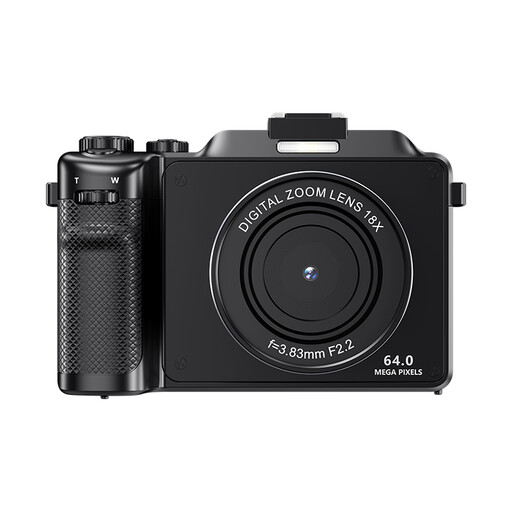
KOMERY X9 digital camera in black

KOMERY X9 digital camera, black

For different compositions, the product title lists an 18x zoom, but doesn’t say whether it’s optical.

The title also lists autofocus, image stabilisation, flash and 64 MP. The safety notice advises avoiding water and damp conditions.

View at Joybuy
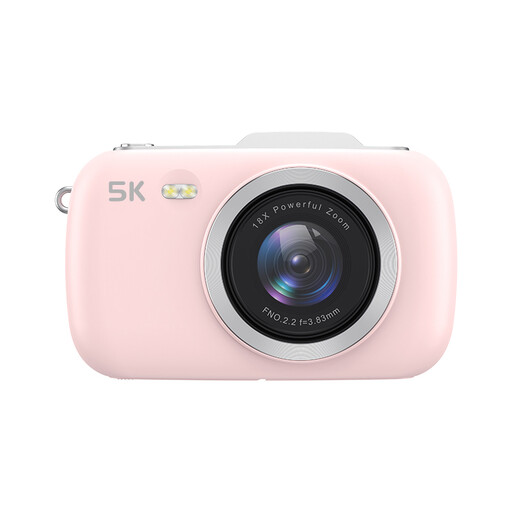
KOMERY G7 5K digital camera in pink

KOMERY G7 5K digital camera, pink

If you’re considering different compositions, note that the product title lists an 18x zoom but doesn’t describe it as optical zoom.

The product title also lists 80 MP and 5K.

View at Joybuy

Frequently asked questions

Will an ND filter help with a blown-out sky above dark heather?

Not as a standalone solution to the difference in brightness: an ND filter reduces the amount of light entering the camera overall. For this scene, check your exposure first. If taking several shots at different exposures suits your workflow, exposure bracketing may help.

What should I adjust before taking a backlit photo?

Check the effect of exposure compensation, and take shots at different exposures if needed. Exposure bracketing involves taking several photos. If the flowers are moving, consider whether they can be combined to achieve the result you want.

Can I leave the paths to get a closer shot of a flower?

The Lüneburg Heath Nature Park expressly advises visitors to stay on the paths in the nature reserve. The protected area is not the same as the entire Lüneburg Heath region, so check the boundary of the protected area and the rules that apply at your specific location.

What rights do I have when buying a camera online in Germany?

When shopping online, consumers generally have a 14-day right to cancel after receiving the goods, as explained by the Verbraucherzentrale (consumer advice centre). Your statutory rights if goods are faulty are against the seller and are separate from any voluntary guarantee. Check the terms of your specific purchase.