
Lieferung heute & morgen

Qualitätsgarantie

Willkommens-Angebote freischalten: KOSTENLOSE Lieferung | Bis zu 80 % RABATT | Kostenlose 30-Tage-JoyPlus-Testphase
App herunterladen
A disorganized basement, a cluttered garage, or an unstructured workshop—it's a familiar problem for many. A sturdy heavy-duty shelf promises a quick fix, but the market is flooded with options that don't always deliver on their promises. Before you invest, it's crucial to understand the common pitfalls that often only become apparent after the purchase, leading to frustration instead of order.
As your Joybuy Product Recommendation Officer, I'll help you navigate the jungle of product descriptions. We'll focus on the facts so you can make an informed decision on a durable and safe storage shelf.
Many shelving systems look robust at first glance, but the devil is in the details. Pay attention to these three points to avoid disappointment:
To avoid the problems mentioned above, you should check three core aspects before buying. These define the quality and longevity of your new shelving system.
Load capacity is the central criterion. Look for two values:
The material determines the robustness and suitability for the intended location.
A good boltless shelf is distinguished by its thoughtful design. The interlocking connections should be precisely stamped to allow for easy and stable assembly. Another advantage is flexibility: many shelves can also be set up as two half-height units or as a workbench. Also, check if mounting hardware for wall anchoring is included to maximize anti-tip safety.
Here are some recommendations tailored to different needs and use cases.
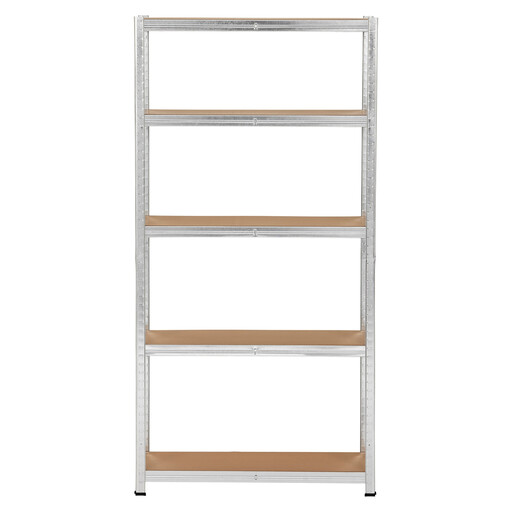
Why This Fits Their Persona: Ideal for users looking for a solid and reliable basic solution for the basement, garage, or storage room. It offers a proven standard load capacity suitable for most common household items and tools.
The clear specification of 175 kg per shelf and a total load capacity of 875 kg creates transparency and avoids the problem of misleading capacity claims. The galvanized steel frame is resistant to scratches and corrosion.
Offers a balanced price-to-performance ratio. The standard dimensions (180 x 90 x 40 cm) fit into most basements and garages.
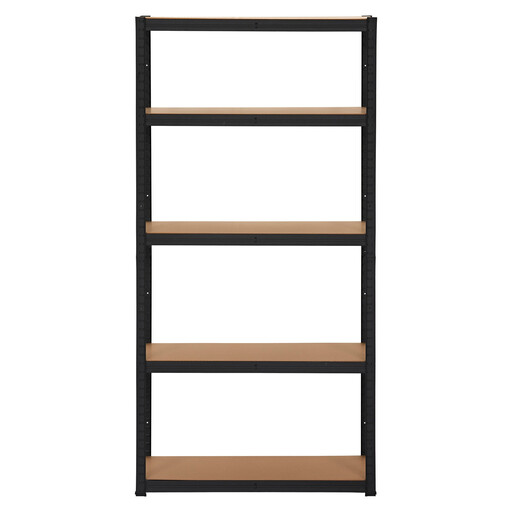
Why This Fits Their Persona: Perfect for DIY enthusiasts and small business owners who need to store engine parts, heavy tool cases, or large quantities of supplies. The increased load capacity provides the necessary safety for demanding applications.
With a specified load capacity of 265 kg per shelf, this unit goes far beyond the standard and specifically addresses the need for high durability. The powder-coated surface protects the steel frame and is more resilient than a simple paint finish.
The enormous total load capacity of 1325 kg and the greater depth of 45 cm provide maximum stability and storage space for bulky items. The matte black finish is also visually appealing for use in an open workshop.
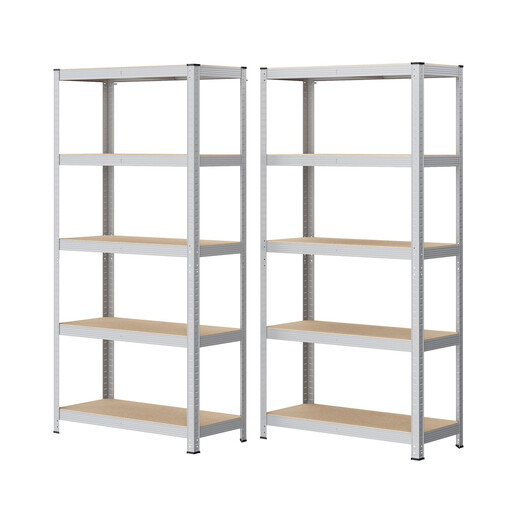
Why This Fits Their Persona: An excellent choice for anyone looking to outfit an entire basement wall or a larger garage. The set of two shelves offers a very good price-to-performance ratio and high flexibility in arrangement.
This set avoids the pitfall of complicated assembly with a straightforward boltless system. The ability to split each shelf into two half-height units offers proven flexibility that, with inferior products, often only exists on paper.
Two shelves for the price of one. Each unit can be configured as a workbench, doubling its utility. An included anti-tip kit provides additional safety.
We have compiled a complete, up-to-date list of products that fully meet these strict selection criteria and relevant safety standards.
Stability depends on three factors: a level and solid surface, even distribution of weight on the shelves (heaviest items at the bottom), and anchoring the unit to the wall. Most quality products include an anti-tip kit for wall mounting, which is highly recommended.
Standard MDF boards are sensitive to moisture. They can be used in a dry, well-ventilated basement or garage. If there are signs of dampness (e.g., in older basements), you should either choose models with metal shelves or seal the MDF boards with a water-repellent varnish to prevent swelling.
Theoretically, no tools are required for most boltless shelves. In practice, however, a rubber mallet is a very useful aid. It helps to securely join the connections without damaging the material or its coating. A standard metal hammer should be avoided as it can cause dents and scratches.