
Lieferung heute & morgen

Qualitätsgarantie

Willkommens-Angebote freischalten: KOSTENLOSE Lieferung | Bis zu 80 % RABATT | Kostenlose 30-Tage-JoyPlus-Testphase
App herunterladen
A cluttered basement, a disorganized garage, or a workshop with tools and materials piled on the floor—these scenarios often lead to the decision to buy heavy-duty shelving. However, the market is flooded with options that look stable and durable at first glance but prove inadequate in practice. Before you make a purchase, it's crucial to understand the most common pitfalls that lead to frustration and wasted money.
The 3 Most Common Mistakes When Buying Heavy-Duty Shelving:
To avoid these problems, you should focus on the key technical features that define a reliable storage rack.
Choosing the right shelving unit depends on more than just its external dimensions. The following parameters are critical in determining the stability, durability, and safety of your storage solution.
The specification "Shelving 175 kg per shelf" is a common industry standard, but its meaning must be interpreted correctly. This load capacity only applies when the weight is distributed evenly across the entire surface of the shelf. Heavy, concentrated point loads can cause the shelf to bow. Therefore, pay attention to two values:
The frame's material and its finish are crucial for longevity, especially in rooms that are not completely dry.
A good boltless metal shelf can be assembled quickly and easily without screws. The quality of the system is evident in the precision fit of its parts. The metal tabs should fit snugly into the slots with light pressure or gentle taps from a rubber mallet. A stable unit does not wobble after assembly. For maximum safety, especially with tall units or uneven loads, a wall anchor is strongly recommended.
Based on these objective criteria, we have identified several models that are well-suited for specific use cases and user profiles.
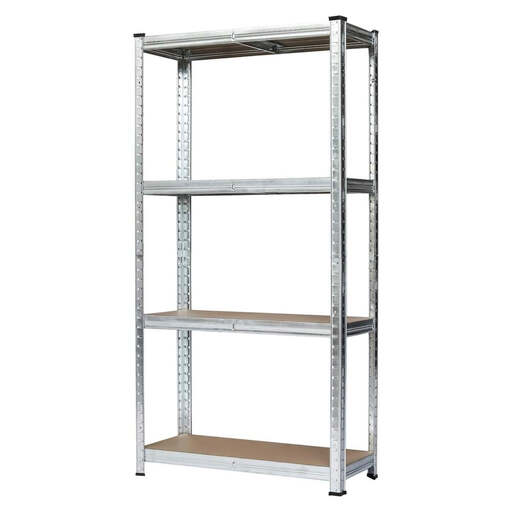
Why it's a good fit: Ideal for organizing basements or as a pantry shelf. It offers solid foundational stability and sufficient load capacity for household items, canned goods, and lighter toolboxes without breaking the bank.
The frame, made of galvanized steel, provides reliable corrosion protection, which is necessary in typical basements and bypasses the rust pitfall.
Excellent value for a basic and durable storage solution. The boltless system allows for straightforward assembly.
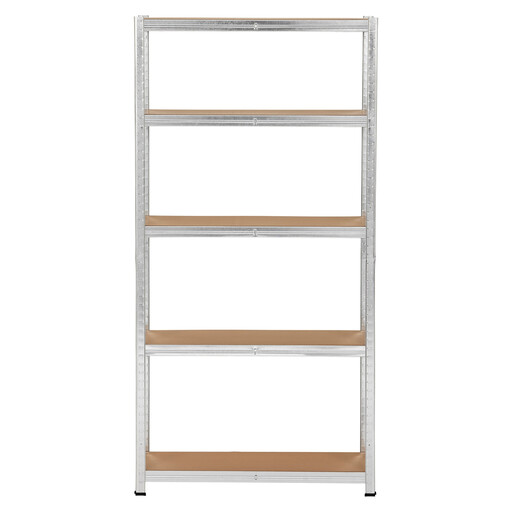
Why it's a good fit: This is the classic solution for DIY enthusiasts and homeowners. The load capacity of 175 kg per shelf is sufficient for heavy tools, paint cans, car tires, and other typical items found in a garage or workshop.
The clear and realistic load capacity of 175 kg per shelf avoids the trap of misleading promises. The robust construction ensures the necessary stability when loaded correctly.
High load-bearing capacity and a proven design make it a versatile and reliable choice for most demanding home applications.
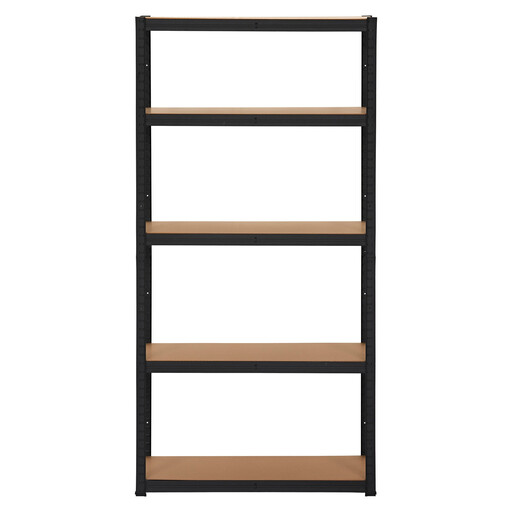
Why it's a good fit: For small business owners, advanced DIYers, or for storing very heavy items like engine parts or large machinery. The extremely high load capacity provides maximum safety margins.
The reinforced construction and high-gauge material ensure the unit remains stable and does not wobble, even under heavy loads. The powder-coated finish is also visually appealing and highly durable.
Extremely high load capacity of 265 kg per shelf for professional-grade demands. The matte black powder coating provides a durable and aesthetic finish.
We have compiled a complete, up-to-date list of products that fully meet these strict selection criteria and all applicable safety regulations.
For a stable and secure assembly, you should follow these steps:
Yes, it is strongly recommended. A wall anchor (anti-tip device) is an essential safety measure to prevent the shelving unit from tipping over. This is especially important if the unit is very tall, loaded unevenly, or if children have access to the area. The necessary mounting hardware is often not included, as it must be appropriate for your specific wall type.
Yes, this is a real risk. MDF boards are made of compressed wood fibres and can swell and grow mould with prolonged exposure to high humidity or direct contact with water. For very damp basements, you should either treat the MDF shelves with a water-repellent sealant or choose a model that features galvanized steel shelves. Additionally, ventilate the room regularly to reduce humidity.