
Lieferung heute & morgen

Qualitätsgarantie

Willkommens-Angebote freischalten: KOSTENLOSE Lieferung | Bis zu 80 % RABATT | Kostenlose 30-Tage-JoyPlus-Testphase
App herunterladen
A cluttered basement, a disorganized garage, or a workshop where tools and materials are in the way—the right storage solution can remedy the situation. Heavy-duty shelving promises to store heavy items safely and create order. However, the market is flooded with options, and not every shelf lives up to its promise. Before you make a decision, it's crucial to understand the common pitfalls that can lead to a bad purchase.
Many buyers focus on a low price, only to find that the shelves are sagging or the entire frame has become unstable after just a few months. Here are the three most common problems to watch out for:
To find a durable and safe solution, you should focus on the technical specifications that are relevant for stability and longevity. A good heavy-duty shelf is more than just the sum of its parts.
Ignore the prominently advertised total load capacity and look specifically for the maximum load capacity per shelf. For most applications in a garage, basement, or workshop, a value of at least 175 kg per shelf is a good benchmark. This ensures that you can safely store heavy, concentrated loads like beverage crates, tool cases, or small machines without the shelf dangerously sagging. A shelf with such a high load capacity provides the necessary safety margin for everyday use.
The frame forms the skeleton of the unit and is responsible for its stability. Almost all models in this segment are steel shelves. The difference lies in the surface treatment, which protects the metal from corrosion:
The choice of material for the shelving boards should depend on the intended location.
Instead of making a one-size-fits-all recommendation, we have identified models tailored to specific use cases and requirements.
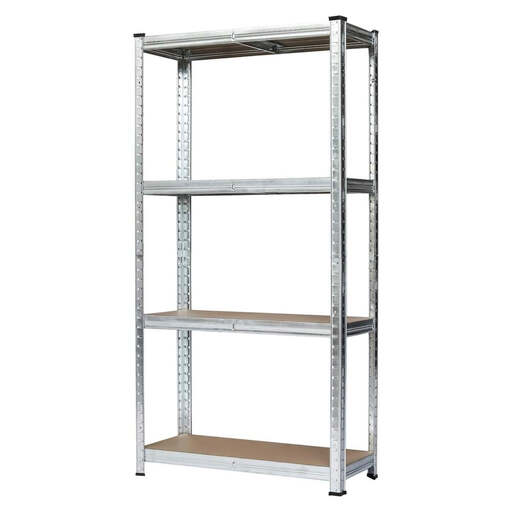
Why This Fits Their Persona: Ideal for users seeking a reliable and cost-effective solution for organizing supplies, lighter tools, or archive boxes. It offers solid foundational stability for use in dry spaces like a pantry or storage room.
With a clearly stated load capacity of 125 kg per shelf, it bypasses the trap of a misleading total capacity. The galvanized steel frame provides a solid base and is more resilient than many no-name products with thin sheet metal.
Good value for standard applications. The galvanized steel frame offers basic corrosion protection.
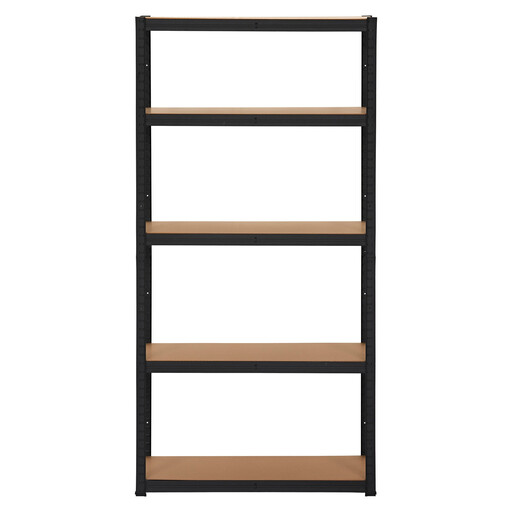
Why This Fits Their Persona: Perfect for ambitious DIYers and professionals who need an extremely durable workshop rack. It safely and reliably stores heavy power tools, engine parts, or material stock.
With an exceptionally high load capacity of 265 kg per shelf, this unit is designed for true heavy-duty applications. It solves the problem of inadequate point-load capacity and offers a maximum safety margin.
Very high load capacity for demanding tasks. The matte black powder coating provides a robust and visually appealing finish for the workshop.
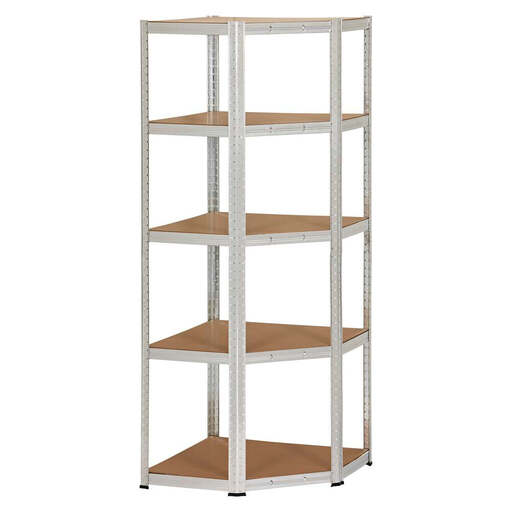
Why This Fits Their Persona: For homeowners who want to efficiently transform unused corners in their garage or basement into valuable storage space. This corner unit is ideal for combining with standard shelves to create a continuous wall of shelving.
It solves the problem of standard shelves leaving corners unused. With a solid load capacity of 175 kg per shelf and a stable interlocking system, it offers a well-designed and resilient solution instead of a wobbly compromise.
Maximum utilization of available space. The galvanized steel frame ensures durability, even in basement environments.
We've compiled a complete, up-to-date list of products that fully meet these strict selection criteria and safety requirements.
Although many shelves are stable even when freestanding, wall anchoring is strongly recommended, especially for tall units or when storing heavy items. This prevents tipping from uneven loading or accidental bumps. Many kits already include a corresponding anti-tip kit for fastening.
For a stable assembly, you should follow these steps: Wear work gloves during assembly to avoid cuts from the metal edges. Ensure the surface is completely level. Use a rubber mallet to gently tap the connecting tabs into the slots without damaging them. Load the bottom shelves first with the heaviest items to keep the centre of gravity low.
This is not recommended. MDF is a wood fibreboard that swells, loses its shape, and forfeits load-bearing capacity when exposed to prolonged moisture. For use in damp basements or garages, shelves with galvanized or powder-coated steel decking are the much better and more durable choice.