
Lieferung heute & morgen

Qualitätsgarantie

Willkommens-Angebote freischalten: KOSTENLOSE Lieferung | Bis zu 80 % RABATT | Kostenlose 30-Tage-JoyPlus-Testphase
App herunterladen
A height-adjustable desk has become a central piece of furniture for many in a home office, as well as for gamers and students. The ability to switch between sitting and standing promotes a more dynamic working posture. However, the market is crowded, and not every model lives up to its advertising. Before you make a decision, it's crucial to understand the most common pitfalls that can lead to disappointment and unnecessary expense.
Many buyers focus on price or design, but in doing so, they overlook three critical weaknesses:
To avoid a bad purchase, you should direct your attention to a few core technical parameters. These are the primary determinants of the functionality and longevity of your new workspace.
Stability is the most important criterion for a standing desk. A wobbly table disrupts concentration and can, over time, compromise the durability of the electronics. Look for the following features:
An electric desk is defined by its drive system. This is where good models separate themselves from mediocre ones.
The desktop defines your workspace. The right size and material are essential for a functional home office desk.
Based on the criteria mentioned, we have compiled a few models from our range to suit different user profiles.
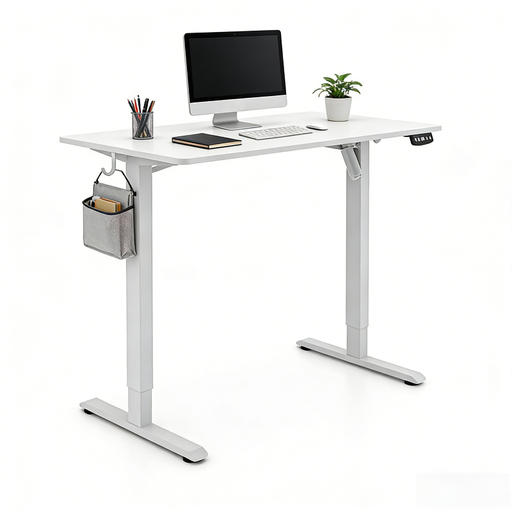
Why it's a good fit: Ideal for getting started with an ergonomic workspace. The compact 120x60 cm size is perfect for smaller rooms or as a first dedicated home office desk without breaking the bank.
The model features a quiet lifting mechanism, sidestepping the loud motor trap. The construction is designed for a load capacity of 70 kg, ensuring solid stability for standard setups.
Offers the core functionality of an electric height-adjustable desk in a minimalist design at an accessible price point.
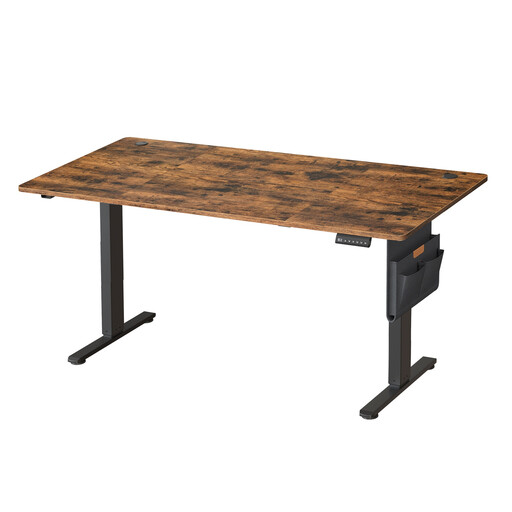
Why it's a good fit: Perfect for professionals who spend all day at their desk. The generous 180x80 cm work surface provides ample space for multiple monitors and work materials. The memory function and USB-C port maximise convenience.
According to the manufacturer, the robust steel frame and high-quality motor ensure smooth and quiet height adjustment, avoiding the pitfalls of instability and noise. The solid desktop provides a durable work surface.
Large work surface, 4 height memory presets, an integrated USB-C port, and thoughtful details like cable grommets and a fabric organiser.
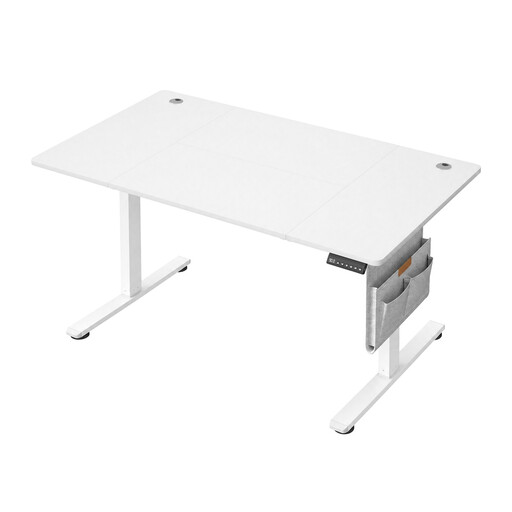
Why it's a good fit: For users who value a clean and modern aesthetic. The crisp, white design blends seamlessly into bright living and working environments while offering full ergonomic functionality.
The product description highlights the solid steel frame and quality motor, which ensure stability and quiet operation. Integrated cable management solutions help maintain the minimalist look and prevent cable clutter.
Combines a mid-range 140 cm size with useful features like 4 memory presets and clever organisational aids (fabric pouch, hook), making it a well-balanced all-rounder.
We have compiled a complete, up-to-date list of products that fully meet these strict selection criteria and German safety regulations.
The maximum static load capacity varies by model. Common values for electric desks in the home-use category range from 70 kg to 100 kg. This is typically sufficient for a standard setup with two monitors, a laptop, a keyboard, and other office accessories. Models with dual motors often have a higher load capacity. Always check the manufacturer's specifications to avoid overloading the motor.
A memory function is highly recommended. It allows you to set your ideal sitting and standing heights once and then recall them at the touch of a button. This lowers the barrier to changing your position regularly, ensuring you consistently benefit from the desk's ergonomic advantages. Without this feature, the height must be manually adjusted each time, which is often found to be cumbersome in daily use.
The assembly process is generally comparable to that of other office furniture. Most manufacturers provide a detailed manual and numbered parts. It is helpful to have two people for assembly, as the frame and desktop can be heavy. Depending on the model and your experience, plan for 40 to 90 minutes for assembly. Tools such as a screwdriver or an Allen key are often included.