
Lieferung heute & morgen

Qualitätsgarantie

Willkommens-Angebote freischalten: KOSTENLOSE Lieferung | Bis zu 80 % RABATT | Kostenlose 30-Tage-JoyPlus-Testphase
App herunterladen
Choosing a helmet can be overwhelming. Whether for cycling, motorcycling, or as a collector's item, the market offers an enormous variety. However, not every model lives up to its promise. Many buyers invest in products that are ill-fitting, uncomfortable, or unsuitable for their intended purpose. Before you buy a protective helmet, you should understand the most common pitfalls to make an informed decision. These include poorly fitting universal sizes, unclear safety specifications, and an excessive focus on design over function.
To avoid making a bad purchase, it's wise to focus on objective and verifiable features. Three factors are of particular importance: fit, certified safety, and the specific application.
A helmet can only provide protection if it fits correctly. An improper fit is one of the most common reasons for inadequate protection.
The CE mark only confirms compliance with EU directives but says nothing about the specific protection class. Pay close attention to the specified testing standard.
The intended use determines the necessary features. A helmet for the daily commute has different requirements than a technical accessory for motorcyclists or a collector's item.
Here are some product recommendations tailored to specific user profiles and their requirements.
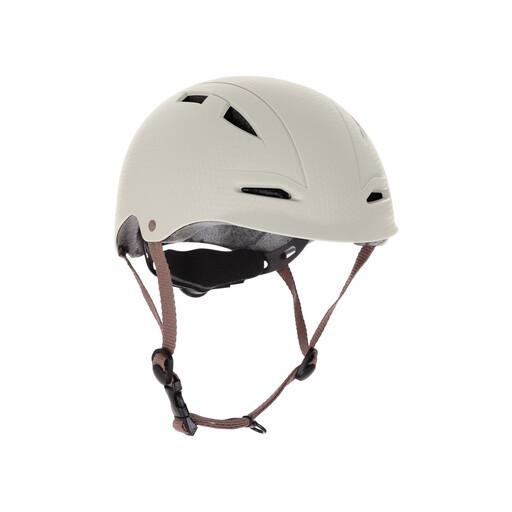
Why This Fits Their Persona: This model is designed for parents looking for a durable and flexible solution. It covers a wide range of ages and sizes, accompanying children for several years of cycling, scootering, or skating.
Instead of an imprecise one-size-fits-all approach, this helmet offers a clearly defined adjustment range of 46 to 56 cm. The adjustment dial ensures a precise fit, avoiding the pitfall of an ill-fitting helmet.
The wide adjustment range makes the helmet cost-effective, as it doesn't need to be replaced every season. Additionally, nine ventilation openings ensure good air circulation.
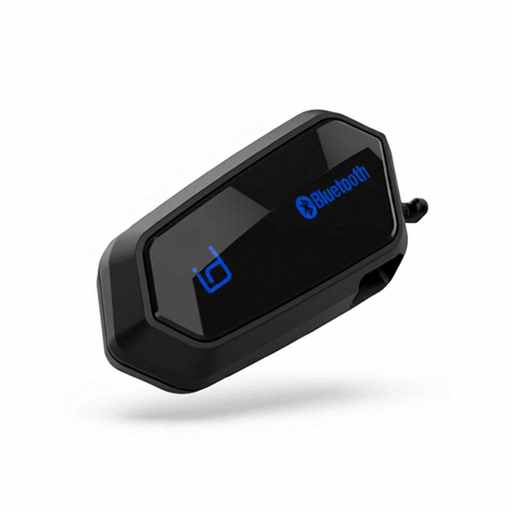
Why This Fits Their Persona: This headset is aimed at motorcyclists seeking a reliable communication system for their existing helmet. It enables intercom conversations, music streaming, and the use of GPS directions.
Instead of relying on a permanently integrated system with potentially outdated technology, this external headset offers modern features like Bluetooth 5.2 and DSP noise cancellation. It focuses on the core function of communication.
The music sharing feature and the long battery life of up to 35 hours are clear advantages for long tours. Its IPX6 water resistance ensures reliability in various weather conditions.
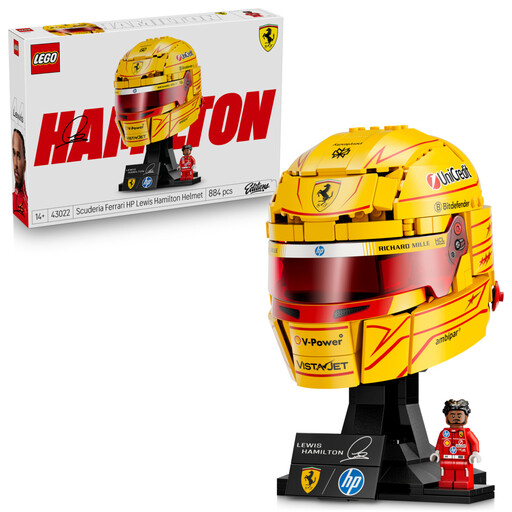
Why This Fits Their Persona: This set is not a protective helmet but a detailed model for motorsport fans and LEGO enthusiasts. It serves as a display piece, combining a passion for Formula 1 with a creative building experience.
The product is clearly positioned as a LEGO building kit and an F1 collector's item. This avoids the trap of purchasing a product for the wrong purpose, as no protective function is expected from the outset.
The set includes a Lewis Hamilton minifigure, a plaque with his signature, and a display stand. These details make it an authentic collector's item for fans.
We have compiled a complete, up-to-date list of products that fully meet these strict selection criteria and relevant safety regulations.
Manufacturers generally recommend replacing a bicycle helmet every three to five years. The reason for this is material fatigue, especially of the EPS foam, caused by UV radiation and temperature fluctuations. Regardless of age, a helmet must be replaced immediately after any significant impact, even if no external damage is visible, as the internal protective structure may be compromised.
Most modern helmet intercom systems are designed to be compatible with a variety of helmet types (full-face, modular, and open-face). The kits usually include different types of microphones (e.g., a boom microphone for open-face helmets, a wired microphone for full-face helmets). However, it is advisable to check compatibility with your specific helmet model before purchasing, especially regarding the space for speakers and cable routing.
The EN 1078 standard is a European safety standard that specifies the requirements and testing methods for helmets used for cycling, skateboarding, and roller skating. If a child's helmet meets this standard, it means it has been successfully tested for its shock absorption capability, the strength and effectiveness of the strap system, and its field of vision. It gives parents the assurance that the helmet provides a fundamental level of protection.