
Lieferung heute & morgen

Qualitätsgarantie

Willkommens-Angebote freischalten: KOSTENLOSE Lieferung | Bis zu 80 % RABATT | Kostenlose 30-Tage-JoyPlus-Testphase
App herunterladen
Published on August 29, 2026 by the Joybuy Product Recommendation Officer
Finding the right air purifier can quickly become overwhelming. Whether you're looking to relieve allergy symptoms, eliminate pet dander, or reduce smoke and odours, the market offers a vast array of models. But not every device lives up to its advertising claims. Many buyers invest in a unit only to discover later that it's inadequate for their needs or comes with unexpected running costs. This guide will help you understand the key features and avoid common purchasing pitfalls.
Before we dive into the technical details, it's important to be aware of the most common marketing traps that can lead to the wrong purchasing decision.
To make an informed decision, you should focus on three objective metrics that determine a device's true performance.
The Clean Air Delivery Rate (CADR) is the most important independent performance indicator. It specifies how many cubic metres of clean air a device delivers per hour (unit: m?/h). A higher CADR value means faster and more effective air purification. To determine the right value for you, you can use a simple formula:
For a general improvement in air quality, an ACH of 3 is recommended. For an air purifier for allergy sufferers or in households with smokers or pets, an ACH of 5 is advisable. An air purifier for large rooms will naturally require a high CADR value to be effective.
A high-performance filtration system is the heart of any air purifier. The combination of a HEPA filter and an activated carbon filter has become the standard for most applications.
Modern devices often offer useful additional features. A smart air purifier with an app allows for remote control and scheduling. An integrated PM2.5 sensor measures the concentration of fine particulate matter in real-time and automatically adjusts the fan speed in Auto Mode. This not only provides convenience but also optimises energy consumption and filter life. Also, pay attention to the stated filter lifespan and check the prices for replacement filters before you buy.
Here are a few recommendations tailored to different user profiles and their specific requirements.
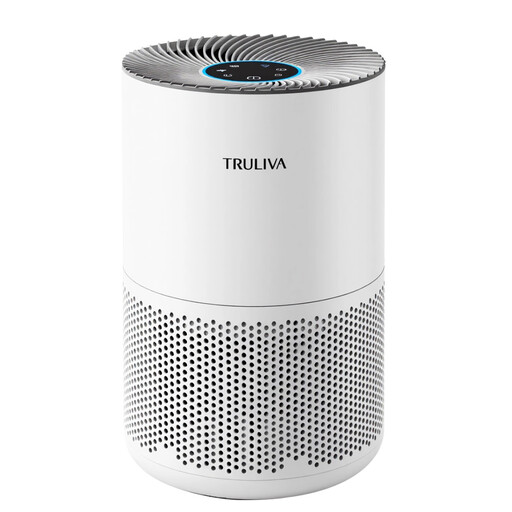
Why This Fits Their Persona: This model focuses on core functionality. With a solid CADR of 260 m?/h, it's well-suited for medium-sized bedrooms or living rooms. It forgoes complex smart features, instead offering reliable cleaning performance at an accessible price point.
The clearly stated CADR value allows for a realistic assessment of its room size capability. The sleep mode, at just 24 dB, bypasses the noise trap and makes the device bedroom-friendly. The washable pre-filter can extend the life of the main filter, helping to control running costs.
Excellent balance of cleaning power (CADR 260 m?/h) and operating noise (24 dB in sleep mode). The 3-in-1 filtration system with an H13 HEPA filter covers the most common particles and pollutants.
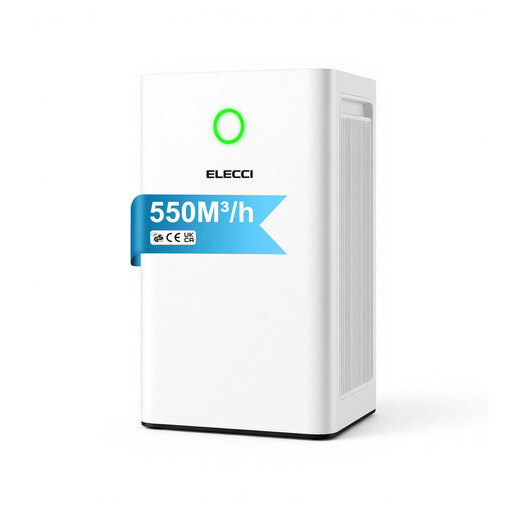
Why This Fits Their Persona: Ideal for users with large, open-plan living areas or high demands for air purification (e.g., due to heavy pollen or multiple pets). Its high performance ensures rapid air circulation in large volumes.
The extremely high CADR of 550 m?/h is an honest performance figure that guarantees a high air change rate (ACH) even in large rooms, thus avoiding the trap of inadequate sizing. Despite its high power, the 24 dB sleep mode provides a quiet environment.
Very high air purification rate (CADR 550 m?/h) for fast and effective cleaning of rooms up to 120 m?. The washable pre-filter traps coarse particles and contributes to the longevity of the HEPA filter.
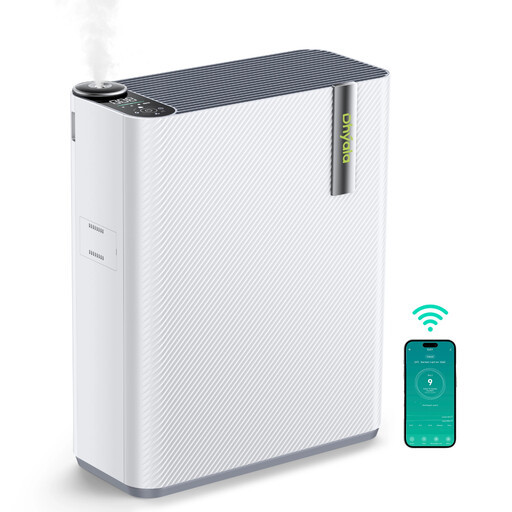
Why This Fits Their Persona: This device combines high performance with smart technology. It's ideal for users who want data-driven, automated air purification and appreciate control via an app or voice assistants. The H13 HEPA filter makes it a great choice for allergy sufferers.
The Auto Mode, controlled by the PM2.5 sensor, adjusts performance to the actual air quality. This prevents unnecessarily loud operation while optimising filter life and energy consumption, actively managing the pitfalls of noise and running costs.
Smart control via app and an Auto Mode based on real-time air quality measurement (PM2.5 sensor). High cleaning performance (CADR 450 m?/h) combined with a very quiet sleep mode (22 dB).
Specialised filters are crucial, especially for eliminating smoke and strong odours. We have compiled a selection of products that are well-suited for this demanding task.
1. How often do I need to change the HEPA filter, and what does it cost? The lifespan of a HEPA filter depends heavily on usage duration and the level of air pollution. On average, a replacement is recommended every 6 to 12 months. Many devices feature a filter replacement indicator. The cost of replacement filters varies significantly by manufacturer and model. It's wise to research these costs before buying to avoid unexpected expenses.
2. Where is the best place to put an air purifier in a room? Place the unit where air can circulate freely. Maintain a distance of at least 30-50 cm from walls, furniture, or curtains. Avoid placing the air purifier in a corner, as this will impede air circulation. In a bedroom, a position a few metres away from the bed is ideal to avoid creating a draught.
3. Can an air purifier replace opening the windows? No. An air purifier with a HEPA filter is specialised in removing particulates like dust, pollen, and allergens from the indoor air. However, it does not reduce carbon dioxide (CO?) levels or bring in fresh, oxygen-rich air from outside. Regularly airing out the room by opening windows remains essential for a healthy indoor environment.