People preparing individual portions
If you’re making just a little herb oil for lunch, the key question is whether the blades can reach the ingredients. Rommelsbacher recommends a different appliance from the MZ 500 for small quantities of pesto.


For small portions of herb oil, first check whether a compact chopper can process the recipe quantity according to its instructions; a large bowl isn’t automatically better for the job. A food processor is more useful if you also regularly want to chop or grate vegetables. Don’t make homemade herb oil as a week’s supply, and make sure it stays properly chilled when you take it with you.
If you’re making just a little herb oil for lunch, the key question is whether the blades can reach the ingredients. Rommelsbacher recommends a different appliance from the MZ 500 for small quantities of pesto.
If you often prepare lunch, you’ll probably value simple controls and parts that are easy to clean. Philips says the HR1393/00 is operated by pressing down; Rommelsbacher states that certain removable parts of the MZ 500 are dishwasher-safe.
If you regularly want to chop or grate vegetables as well as herbs, additional attachments can be useful. Kenwood lists a blade, slicing disc and grating disc among the accessories supplied with the MultiPro Go FDP23.140GY.
For a single lunch portion, the minimum quantity the appliance can actually process matters more than the bowl’s capacity. Check the instructions for the specific model.
| Criterion | What to check before buying | Who is it most relevant to? |
|---|---|---|
| Suitable quantity | Minimum quantity, fill line and permitted ingredients in the instructions. | If I’m making just one portion for lunch, I want to know whether the ingredients will reach the blades. Around 33% of consumers say getting the right individual portion is their main concern. |
| Everyday cleaning | Which parts are dishwasher-safe, and how to clean the blades and lid. | If I prepare food often, I don’t want to clean more parts than necessary. Around 27% of consumers say easy cleaning is their main concern. |
| Desired texture | Whether the instructions allow short processing intervals and the quantity in your recipe. | If I prefer my herbs roughly chopped or more finely processed, the controls should suit my recipe. Around 27% of consumers say controlling the texture is their main concern. |
| Other lunch-preparation tasks | Which blades or discs are included with the complete model and how they can be stored. | If I also want to chop or grate vegetables, additional accessories may influence my choice. Around 13% of consumers say versatility is their main concern. |
The bowl’s capacity doesn’t tell you whether the blades can reach a small quantity of herbs and oil. Rommelsbacher recommends a different appliance from the MZ 500 for small quantities of pesto.
Compare your recipe quantity with the minimum quantity and guidance in the instructions, rather than relying on capacity alone.
A power rating alone doesn’t show how finely an appliance will chop herbs for your recipe.
First decide whether you want to chop the herbs or process them more finely, then check the controls, recipe quantity and instructions for the model.
The German Federal Institute for Risk Assessment advises against making and storing homemade herbs in oil at home for future use.
Prepare small quantities fresh, and make sure your lunchbox stays chilled while you’re travelling.
The Daily Collection HR1393/00 is a mini chopper. Philips lists vegetables and herbs among the ingredients it can process.
The MZ 500 is a larger multi-chopper with a 1.5-litre glass bowl.
The MultiPro Go FDP23.140GY is a compact food processor for chopping, slicing and grating.
The MultiQuick 5 Pro MQ 55236 M is a hand blender set with a chopper.
The MMR08A1 is a standalone multi-purpose chopper with a pulse switch.
These appliances are relevant to preparing herbs and lunch, but that doesn’t guarantee a suitable minimum quantity for herb oil. Check the instructions for your recipe.
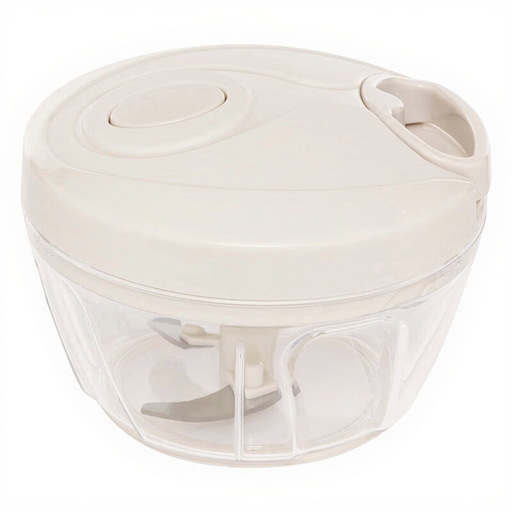 No image available
The description lists herbs, dressings and salsas as possible preparations.
Manual pull-cord operation; stainless steel blades; described as usable without a power connection.
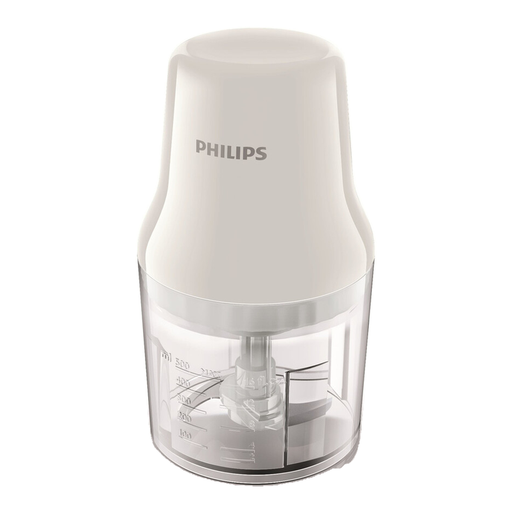 No image available
The product description lists herbs as a possible ingredient for preparation.
450 W; 0.7-litre bowl; stainless steel blade; push-down operation; removable, dishwasher-safe parts.
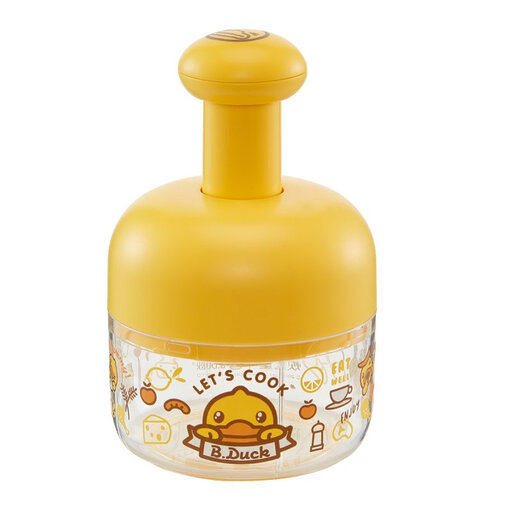 No image available
The description lists herbs and manual chopping among its suitable uses.
220 ml container; manual pull-cord operation; the description lists chopping and puréeing.
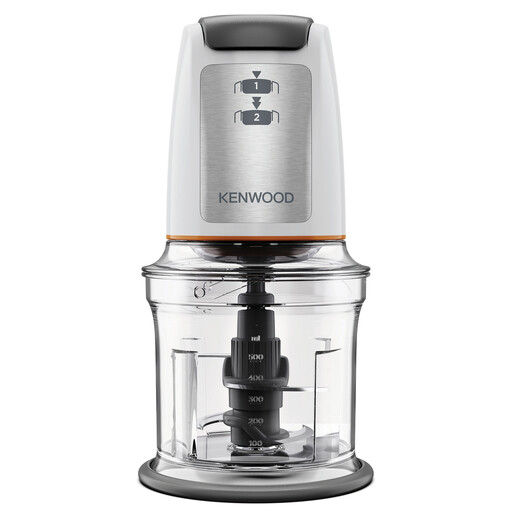 No image available
The description lists small to medium portions, pesto, dips and sauces among its uses.
0.5-litre bowl; two speed settings; 500 W.
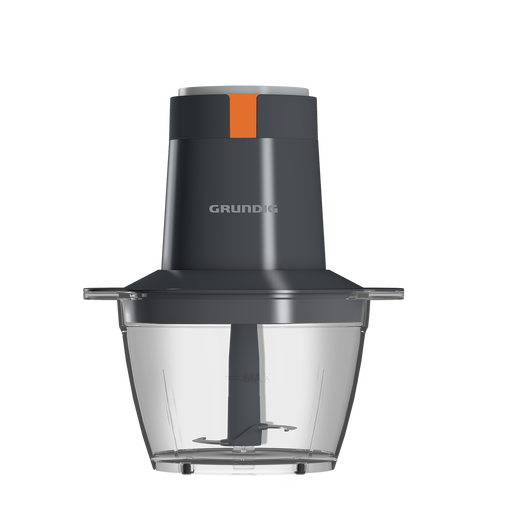 No image available
The description lists chopping, mincing and puréeing food.
0.5-litre glass bowl; two speed settings.
Don’t make homemade herb oil as a week’s supply. The German Federal Institute for Risk Assessment advises against making and storing homemade herbs in oil at home for future use.
Make sure it stays chilled during transport and until you eat it. The German Federal Institute for Risk Assessment points out that inadequate chilling during transport and storage can allow harmful germs to multiply; a chopper doesn’t preserve food.
Follow the instructions for the bowl, lid and blades of your particular model. A statement that some parts are dishwasher-safe doesn’t automatically apply to every part of the appliance. Handle the blades with care.
No. For a consumer purchase in Germany, statutory rights are against the seller; a guarantee is a voluntary benefit subject to its own terms and conditions. The Verbraucherzentrale recommends treating guarantee terms and statutory rights separately.