
Lieferung heute & morgen

Qualitätsgarantie

Willkommens-Angebote freischalten: KOSTENLOSE Lieferung | Bis zu 80 % RABATT | Kostenlose 30-Tage-JoyPlus-Testphase
App herunterladen
Herbal tea is more than just a warm beverage. It's a staple in many households, valued for its variety and as a caffeine-free alternative. However, the growing selection makes choosing complicated. Not every tea that looks natural delivers on its promise. Before you buy your next box, you should be aware of a few common pitfalls to avoid disappointment.
As your Joybuy Product Recommendation Officer, I'll help you navigate the jungle of marketing promises and make an informed decision.
The herbal tea market is flooded with products that promise well-being. But appealing packaging often hides details that can spoil the experience.
To ensure you get a high-quality herbal tea that meets your expectations, you should check three core parameters.
The most important source of information is the ingredients list. The order is crucial: whatever is listed first is present in the largest quantity.
Seals provide guidance on quality and sustainable cultivation.
Each form has its pros and cons.
Here are some recommendations tailored to different profiles that avoid the pitfalls mentioned.
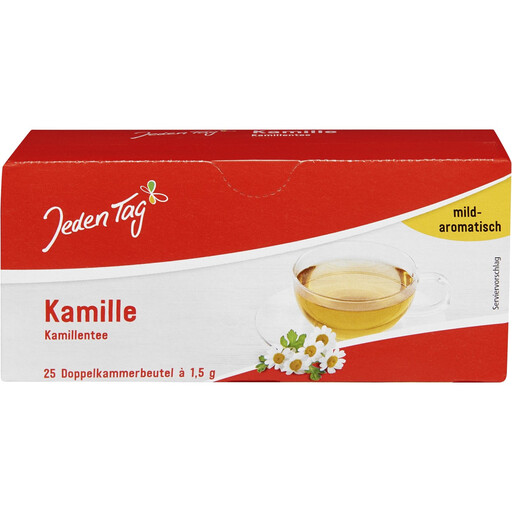
Why This Fits Their Persona: Ideal for anyone looking for a classic, pure chamomile tea for daily use without spending a lot of money. An honest product for relaxing moments or as a classic bedtime tea.
The ingredients list consists of just one item: chamomile flowers. No hidden flavors, no sugar. You get exactly what's on the box.
Excellent value for money. Pure, unadulterated taste. A portion of the herbs is UTZ/UEBT certified.
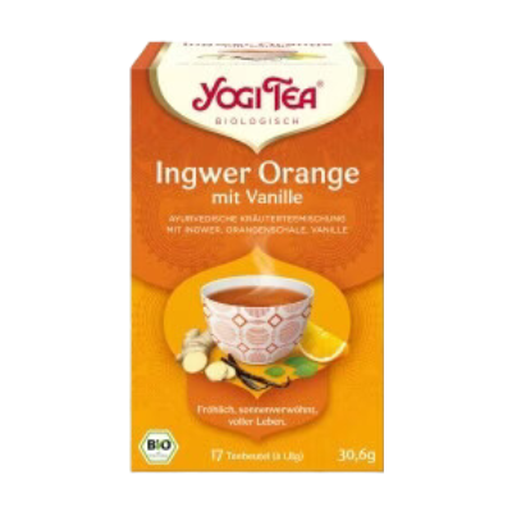
Why This Fits Their Persona: For tea lovers seeking a complex and warming herbal tea blend. The combination of spicy ginger, fruity orange, and sweet vanilla offers a sophisticated taste experience.
This tea is 100% certified organic. Instead of vague flavors, it uses real extracts (vanilla extract, orange extract) and a high percentage of real ginger (44%).
Complex, Ayurvedic-inspired recipe. All ingredients are from certified organic farming. Contains licorice – excessive consumption should be avoided if you have high blood pressure.
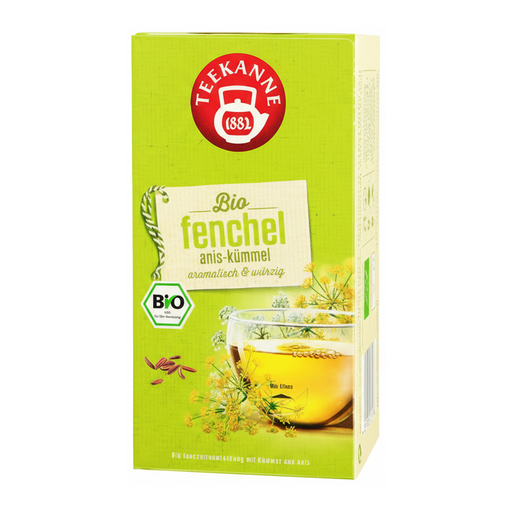
Why This Fits Their Persona: Perfect for individuals seeking a soothing tea after a meal or when feeling bloated. The classic combination of fennel, anise, and caraway has been known for generations.
The ingredients list is short and clear: fennel (60%), caraway (30%), and anise (10%). There are no fillers or artificial additives. The high percentages of the main ingredients are clearly declared.
100% organic quality. A proven and harmonious herbal blend from a well-known brand like Teekanne. Naturally caffeine-free.
We have compiled a complete, up-to-date list of products that fully meet these strict selection criteria and local regulations.
Herbal tea loses its aroma over time, even if it doesn't spoil in the traditional sense. When stored in a dry, dark, and airtight container, it is generally good for 1 to 2 years. Refer to the best-before date on the packaging. After this date, the tea is usually still safe to drink, but its flavor may be significantly diminished.
Yes, this is an important safety recommendation. Herbs, fruits, and spices are natural products that can contain germs. According to manufacturers and the German Federal Institute for Risk Assessment (BfR), pouring boiling water over the tea and steeping it for at least 5 to 8 minutes is necessary to ensure a safe food product. Special cold-brew teas are an exception.
True herbal tea, made from parts of plants like leaves, flowers, or roots (e.g., chamomile tea, peppermint tea, fennel tea), is naturally a caffeine-free tea. A well-known exception is mate tea, which is derived from the leaves of the mate shrub and contains caffeine. However, it is often treated as its own category.