
Lieferung heute & morgen

Qualitätsgarantie

Willkommens-Angebote freischalten: KOSTENLOSE Lieferung | Bis zu 80 % RABATT | Kostenlose 30-Tage-JoyPlus-Testphase
App herunterladen
By Joybuy Product Recommendation Officer, August 28, 2026
Herbal tea is more than just a warm beverage. It's a staple in many households, prized for its variety and as a caffeine-free alternative. However, the ever-expanding market makes choosing the right one complicated. Packaging may promise natural benefits, but not every tea delivers. Before you buy your next box of herbal tea, you should be aware of the common pitfalls that often lead to a disappointing taste experience or unnecessary expense.
Navigating the tea aisle can be confusing. Many products use marketing terms that obscure more than they clarify. Here are two common issues to watch out for:
To avoid a purchase you'll regret, focus on a few objective criteria. These will help you assess the quality of an herbal tea, regardless of its marketing claims.
The most important source of information is the ingredient list. Look for clarity and simplicity.
The instructions for steeping time and water temperature are more than just a recommendation for taste. Herbs are natural products and, like other agricultural goods, can naturally contain germs. Manufacturers therefore often include the note: "Pour boiling water over the bag and let it steep for at least 5–8 minutes. This is the only way to ensure a safe product." Following this instruction is crucial, especially if you are drinking tea for a cold or for relaxation.
Seals like Rainforest Alliance or Fair Trade provide information about the social and environmental conditions of cultivation. A Rainforest Alliance certification, for example, means that farms use methods aimed at protecting forests, improving the livelihoods of farmers, and promoting their human rights. This is a good sign of responsibly produced teas.
Based on these objective criteria, we have selected a few products from our range that suit different needs and taste preferences.
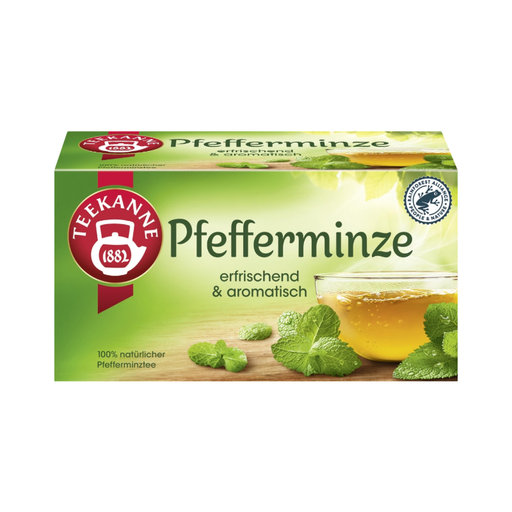
Why This Fits Their Persona: Ideal for anyone seeking a pure, refreshing, and straightforward caffeine-free tea for daily enjoyment. The clean taste of peppermint takes centre stage, without distraction from other ingredients.
The ingredient list is maximally transparent: "Peppermint (100%)". There are no hidden sugars, flavourings, or fillers.
Consists of 100% peppermint. Additionally, 50% of the ingredients are Rainforest Alliance certified, indicating responsible farming practices.
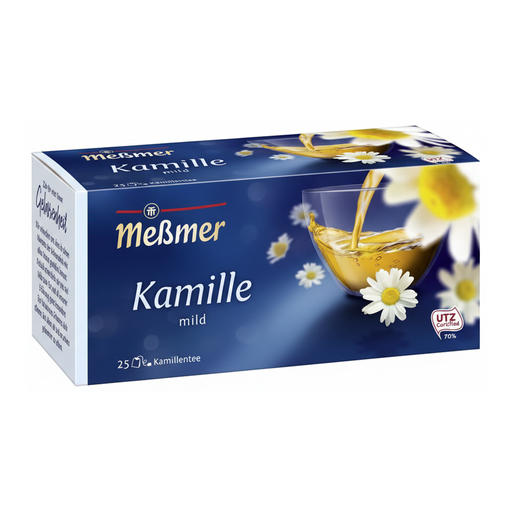
Why This Fits Their Persona: A classic calming tea for anyone looking to unwind after a long day. Camomile has long been known as a mild and soothing herb, making it an excellent beverage before bedtime.
This product focuses on purity. It contains only camomile and is completely free of fillers or added flavourings that could distort the tea's mild character.
Consists of 100% camomile. The herbs are also Fair Trade certified, which stands for fair trade practices and sustainable cultivation methods.
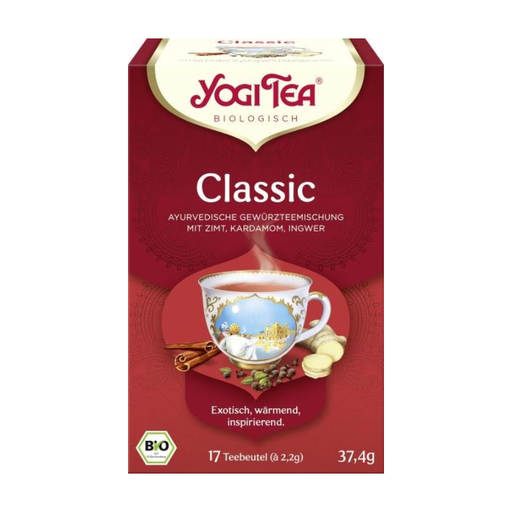
Why This Fits Their Persona: Perfect for tea drinkers who seek a spicy and aromatic experience. This Ayurvedic tea blend of cinnamon, cardamom, ginger, and other spices offers a warming and complex flavour profile that goes far beyond a simple herbal infusion.
The ingredient list is precise, and all components are from certified organic farming. It uses real spices and cinnamon oil instead of generic "flavourings."
An authentic Ayurvedic spice blend with 100% organic ingredients. Ideal for preparing a Chai Latte with milk or a plant-based alternative.
We've compiled a complete, up-to-date list of products that fully meet these strict selection criteria and UK regulations.
Is every herbal tea caffeine-free? Generally, yes. Teas made exclusively from herbs, fruits, or spices—like camomile tea, peppermint tea, or fennel tea—are naturally caffeine-free. A well-known exception is mate tea, which, although classified as an herbal tea, contains stimulating caffeine. A quick look at the packaging will always provide certainty.
Why is the steeping time for herbal tea so important? The steeping time indicated on the packaging is not just a flavour recommendation. Herbs are natural products and can inherently contain germs. Only by infusing with boiling water and adhering to the recommended steeping time (usually 5–8 minutes) can you ensure you have a safe product to consume.
What's the difference between an organic herbal tea and a conventional one? An organic herbal tea is cultivated according to the strict guidelines of the EU's organic regulation. This means no synthetic pesticides or chemical fertilisers are used. This not only protects the environment but also ensures that there are no unwanted residues in the tea. The EU organic logo is a reliable mark of this quality.