
Lieferung heute & morgen

Qualitätsgarantie

Willkommens-Angebote freischalten: KOSTENLOSE Lieferung | Bis zu 80 % RABATT | Kostenlose 30-Tage-JoyPlus-Testphase
App herunterladen
For many households in Germany, herbal tea is part of the daily tea cupboard. The choice ranges from pure peppermint tea and fennel and camomile blends to Ayurvedic herbal tea with spices. However, this wide variety can make comparisons difficult.
Three common buying misconceptions can lead to unnecessary spending:
With herbal tea in tea bags, the composition should be clearly stated. A pure peppermint tea, for example, contains peppermint only. A blend of peppermint, lemongrass, fennel and camomile, on the other hand, has a more complex flavour and can taste noticeably different depending on the proportions.
Look out for:
If you are looking for a caffeine-free tea suitable for different times of day, classic herbal infusions often offer suitable options. Nevertheless, the specific ingredients list remains crucial.
An organic herbal tea should display a recognised organic mark and the relevant inspection body’s code. According to the product information, Yogi Tea Glückstee organic herbal tea uses 100% certified organic ingredients. Other products may, for example, carry a Rainforest Alliance or Fairtrade label for certain ingredients.
These claims do not mean the same thing:
A sustainable tea can therefore be assessed more objectively by checking which proportion is certified and which ingredient the claim refers to.
Do not compare only the number of tea bags; check the weight per bag as well. The selection includes, for example, 20 bags containing 1.5 g of camomile, 20 bags containing 3 g of fennel or 25 bags containing 2.25 g of peppermint.
For a safe food-grade infusion, the product information consistently recommends freshly boiled water. Depending on the variety, the recommended infusion time is usually between five and eight minutes. For a pot, the recommendation is often at least three to four bags per litre. If you drink tea regularly, you should therefore include the total contents and recommended dosage in your price comparison.
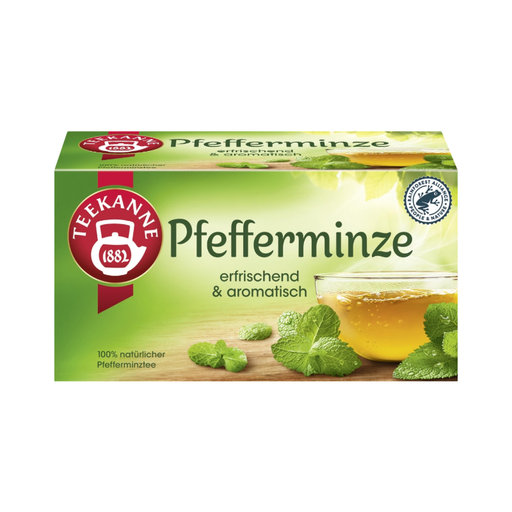
Why this product suits this profile: According to the product information, this tea contains 100% peppermint and has no complicated blend of ingredients. That makes it easier to choose your first variety and work out the cost per cup.
The ingredients list prevents a promising blend name from being confused with a single herbal variety.
100% peppermint, 20 bags containing 2.25 g each and, according to the product information, caffeine-free and suitable for a vegan diet.
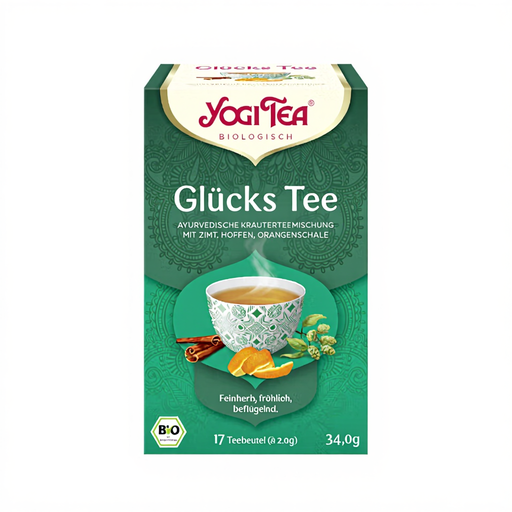
Why this product suits this profile: This Ayurveda-inspired organic blend combines cinnamon, ginger, turmeric, orange peel, mango and vanilla, among other ingredients. It is aimed at buyers looking for a layered spice and citrus profile.
The specific ingredients list and clearly stated organic certification make the composition easier to understand than general wellness claims.
17 bags containing 2 g each, certified organic ingredients according to the product description and preparation with 250 ml of boiling water.
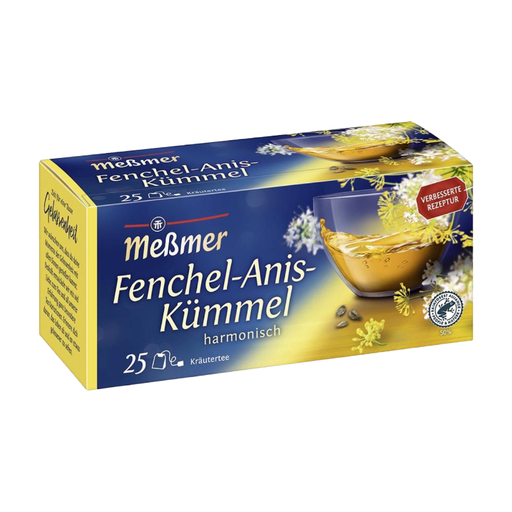
Why this product suits this profile: The blend of fennel, anise and caraway creates a clearly defined, subtly sweet and spicy flavour profile. With 25 bags, it is ideal for regular tea breaks.
The three main ingredients are listed transparently. The product description also states that it is suitable for vegans and free from gluten and lactose.
25 tea bags, Rainforest Alliance certification according to the product information and easy dosing for a cup or one-litre pot.
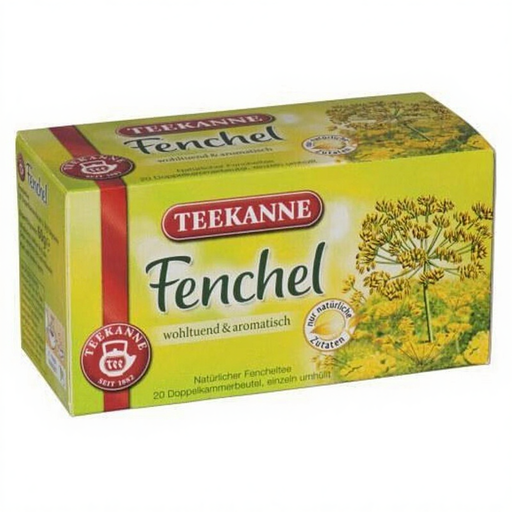
Why this product suits this profile: According to the ingredients information, this tea consists of 100% fennel, making it a straightforward choice for anyone who does not want an aromatic herbal blend.
The quantity of 3 g per bag and the recommended infusion time of at least five to eight minutes are clearly stated.
20 bags, 100% fennel according to the product information and made in Germany.
For a wider selection, you can also consider camomile tea or sage tea alongside peppermint and fennel tea. Teekanne Camomile Tea contains camomile flowers as its sole ingredient. Meßmer Sage-Eucalyptus, on the other hand, combines sage with blackberry leaves, lemongrass, liquorice root and eucalyptus. If you prefer pure sage tea, Bad Heilbrunner Herbal Tea Sage offers a suitably concise ingredients list.
It is also worth looking at the organic version of fennel-anise-caraway tea: Teekanne Organic Fennel-Anise-Caraway Tea lists 60% fennel, 30% caraway and 10% anise from controlled organic cultivation. This allows you to compare the desired blend with a conventional version without focusing solely on the packaging design.
We have put together a complete, regularly updated list of products that fully meet these strict selection criteria and the safety regulations applicable in the EU.
Pure herbal infusions such as peppermint, fennel and camomile tea are naturally caffeine-free. With blends, you should check the ingredients list, as individual products may contain additional ingredients.
The specific recommendation depends on the variety. Many of the products mentioned recommend five to six minutes, while others specify five to eight minutes or longer. The instructions on the relevant packaging are decisive. Use freshly boiled water and follow the recommended infusion time.
Store the packet in a dry, cool place away from direct light. Strong smells from spice drawers or coffee can transfer to dried herbs. Individually wrapped bags also help preserve the aroma until preparation.