
Lieferung heute & morgen

Qualitätsgarantie

Willkommens-Angebote freischalten: KOSTENLOSE Lieferung | Bis zu 80 % RABATT | Kostenlose 30-Tage-JoyPlus-Testphase
App herunterladen
By the Joybuy Product Recommendation Officer, July 28, 2026
The range of herbal teas is vast, with packaging that often promises relaxation, well-being, and natural relief for everyday ailments. However, not every tea bag delivers on the promises made by its colourful box. Those looking to buy herbal tea for a specific effect, or simply to enjoy a pure, natural product, often face an overwhelming selection. Before you make your choice, it's helpful to know the most common pitfalls that can lead to an unsatisfactory purchase.
Many products on the tea shelf are carefully designed, but some rely more on marketing than on high-quality ingredients. Here are three things to watch out for:
To ensure you buy a high-quality herbal tea that meets your expectations, you should check three core parameters. These will help you separate the wheat from the chaff.
The ingredient list is your most important tool. For a single-herb tea like Chamomile Tea or Peppermint Tea, there should ideally be only one ingredient listed: "Chamomile (100%)" or "Peppermint (100%)." This guarantees a pure and unadulterated taste experience.
In herbal blends, the order of the ingredients indicates their proportions. If the herb that is most important to you (e.g., fennel for a tea for digestion) is listed third or fourth, its share is correspondingly low. Make sure that no "flavours" or "sugar" are on the list if you are looking for a pure, natural product. A good herbal tea is, by its nature, a caffeine-free tea.
Certifications are not a guarantee of effect, but they do provide information about cultivation standards and social responsibility.
Brands like Me?mer Tee or Teekanne often display such certifications prominently on their packaging, which is an indicator of conscious raw material selection.
The preparation instructions, especially the water temperature and steeping time, are crucial. Herbs are natural products that can inherently contain microorganisms. The recommendation to pour bubbling, boiling water over the tea bag and let it steep for a specific duration (often 5–8 minutes) is for food safety. This is the only way to ensure that any potential germs are killed and that you receive a safe product.
Instead of making a blanket recommendation, we have selected products that meet specific requirement profiles and avoid the purchasing pitfalls mentioned above.
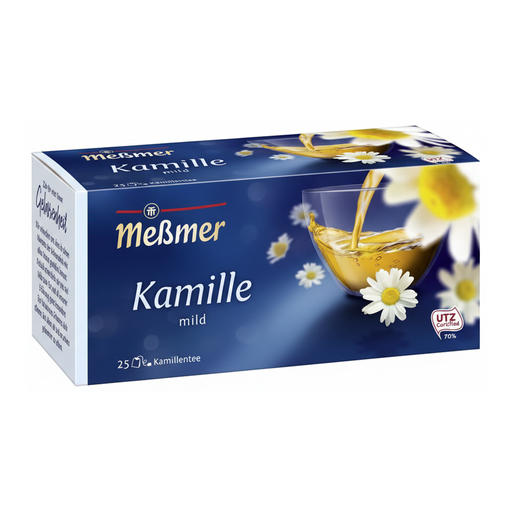
Why it's a great fit: Ideal for those seeking a classic calming tea in the evening. Chamomile has long been known for its relaxing properties, and this tea offers a pure, mildly aromatic experience without distracting additives.
Made from 100% chamomile, it avoids the trap of vague wellness blends and hidden flavours. The Fair Trade certification ensures transparency of origin.
Pure, unadulterated chamomile flavour. Gluten- and lactose-free. Fair Trade certified.
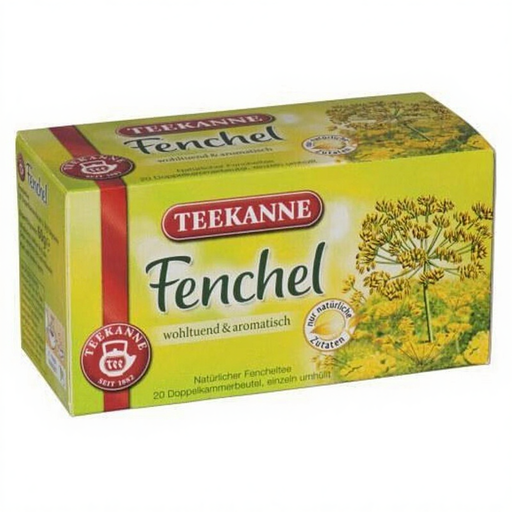
Why it's a great fit: For anyone looking for a pure fennel tea to support gastrointestinal well-being. Fennel is a proven home remedy and is often used as a tea for digestion.
The ingredient list is clear and simple: Fennel (100%). There are no fillers or flavours to distract from the herb's pure function.
Pure fennel tea, known for its soothing properties. Convenient tea bags for easy preparation.
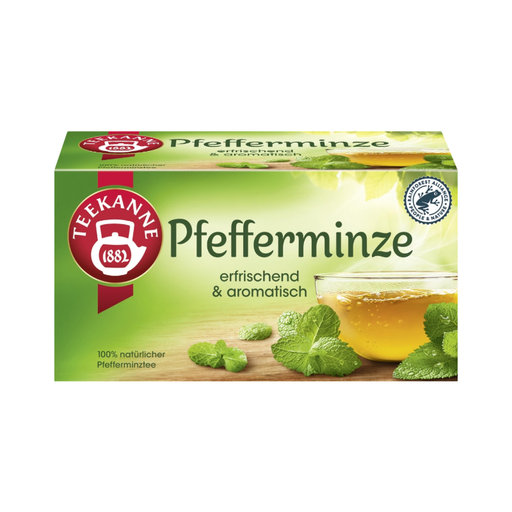
Why it's a great fit: For lovers of a strong, refreshing taste. Peppermint tea is a timeless classic that can be enjoyed at any time of day, offering a natural, caffeine-free refreshment.
With 100% peppermint, this tea delivers exactly what it promises: pure mint flavour without artificial aromas. The partial Rainforest Alliance certification indicates more sustainable farming methods.
Intense, refreshing taste. Naturally caffeine-free. 50% Rainforest Alliance certified.
We have compiled a complete, up-to-date list of products that fully meet these strict selection criteria and German food safety regulations.
When stored correctly—cool, dry, dark, and in an airtight container—herbal tea is generally good for two to three years. However, it will lose its aroma and intensity over time. The best-before date on the packaging provides a reliable guideline.
Yes, true herbal tea, which consists exclusively of plant parts like leaves, flowers, fruits, or roots (but not from the Camellia sinensis tea plant), is naturally a caffeine-free tea. An exception is mate tea, which contains caffeine. With tea blends, it is always advisable to check the ingredients list to ensure that no black or green tea has been added.
Herbs are agricultural products that can naturally be contaminated with germs. The German Federal Institute for Risk Assessment (BfR) therefore recommends always preparing infusions of herbs or fruits with bubbling, boiling water and letting the tea steep for at least five minutes. This is an important measure to ensure food safety.