
Lieferung heute & morgen

Qualitätsgarantie

Willkommens-Angebote freischalten: KOSTENLOSE Lieferung | Bis zu 80 % RABATT | Kostenlose 30-Tage-JoyPlus-Testphase
App herunterladen
Herbal tea is part of the daily drinks selection in many households. Depending on the blend, the choice ranges from mild chamomile tea and spicy ginger tea to robust sage tea or aromatic fennel, anise and caraway tea. Finding the right variety, however, is about more than just taste.
If you want to buy herbal tea online, you should read the product information carefully. Marketing terms such as “natural”, “soothing” or “Ayurvedic” reveal little about the specific product without an ingredients list, quantities and preparation instructions. The Joybuy Product Recommendation Officer therefore focuses on clear, verifiable features rather than sweeping promises.
Not every product labelled ginger tea is a traditional tea made from dried plant parts. An instant product or one sold in a jar may contain sugar, fructose, water and ginger concentrate. For example, the ingredients list for TBEST Drinks Ginger Tea in Jar states 34% ginger, while also listing fructose and sugar. According to the product information, its nutritional value is 53 g of sugar per 100 g.
This may suit shoppers looking for a sweet, concentrated drink. However, if you are expecting an unsweetened, caffeine-free tea, you should choose tea bags or a pure herbal blend instead.
Herbs have traditionally been used in drinks. However, claims about health or therapeutic effects are not automatically supported by the product description. An ingredients list, preparation instructions and recommended serving quantity are more relevant to your purchasing decision than general promises.
Blends containing liquorice root should also be consumed in moderation. This applies, for example, to some Ayurvedic herbal teas and blends designed for throat or spicy flavours.
A box containing 20 tea bags and a 500 g jar differ considerably in terms of storage, dosage and consumption. Tea bags are practical for the office or for making individual cups. Larger packs can be useful for regular tea drinkers, but once opened they need to be stored in a suitable, dry place.
You should also check the best-before date, recommended steeping time and instructions such as “store in a cool place after opening”. This information helps you avoid unsuitable purchases and loss of flavour.
The order of the ingredients shows which components make up the greatest quantities. According to the product information, Meßmer Sage-Eucalyptus Herbal Tea consists of 51% sage, complemented by, among other ingredients, 14% lemongrass, 3% liquorice root and 2% eucalyptus. This is more informative than a simple flavour description.
For an organic herbal tea, the specific organic certification should be stated on the packaging or in the product description. In YOGI TEA Ginger-Orange with Vanilla, ingredients from controlled organic cultivation are marked with an asterisk. YOGI TEA Throat Warmer is listed with DE-ÖKO-005. Organic status and the origin of the ingredients should not be confused.
Freshly boiled water is recommended for many herbal teas. Bad Heilbrunner Sage Tea, for example, specifies a steeping time of 5 to 10 minutes. Meßmer tea states 6 minutes, while YOGI TEA Throat Warmer is designed for 250 ml of water and 5 to 6 minutes.
Individually wrapped tea bags protect the flavour and make portioning easier. Loose or concentrated products offer greater flexibility, but require more precise dosing. For regular family use, the weight, number of servings and storage conditions are also important.
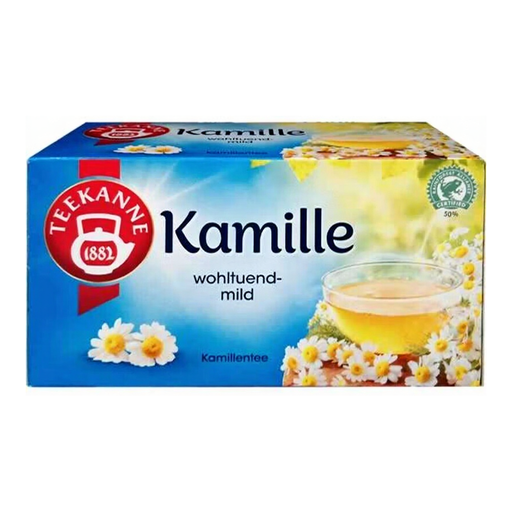
Why this product suits this profile: The pack contains 20 individually wrapped tea bags, each with 1.5 g of chamomile flowers, making it ideal for simple, individual servings.
The ingredients list contains chamomile flowers only. This clearly distinguishes the product from sweetened mixed drinks and heavily flavoured recipes.
Individually wrapped double-chamber tea bags, 20 servings and a clear ingredients declaration.
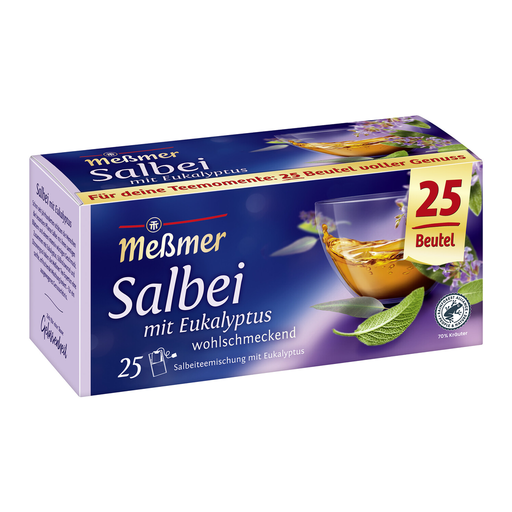
Why this product suits this profile: The defined blend ratio, with 51% sage as well as lemongrass, eucalyptus and liquorice root, is suited to people looking for a complex, spicy flavour.
The individual herbs and their percentages are stated clearly. The product also specifies Fairtrade certification for 85% of the herbs and spices.
25 tea bags containing 1.75 g each, clear quantitative ingredients information and Germany listed as the country of origin.
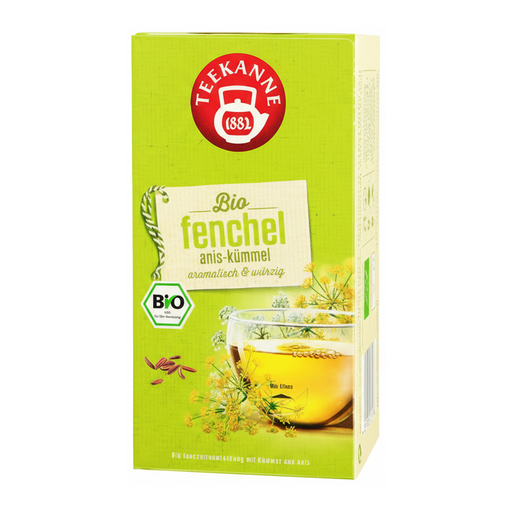
Why this product suits this profile: The blend of 60% fennel, 30% caraway and 10% anise offers a clearly defined flavour profile for regular tea drinkers.
The organic labelling and complete blend ratios are provided. This makes it clear exactly what each tea bag contains.
18 tea bags containing 2.5 g each, ingredients from controlled organic cultivation and a naturally caffeine-free recipe.
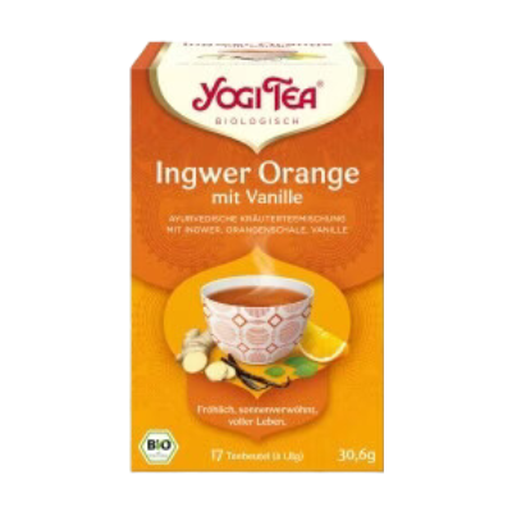
Why this product suits this profile: The recipe combines 44% ginger with orange peel, vanilla, peppermint and other spices, making it a good choice for people looking for more than a single herbal note.
The detailed ingredients list shows that the orange and vanilla flavours are part of an extensive spice blend. The presence of liquorice root should be taken into account before buying.
17 individually portioned tea bags, selected ingredients from controlled organic cultivation and an Ayurvedic-inspired spice blend.
We have compiled a complete, regularly updated list of products that fully meet these strict selection criteria and the safety regulations applicable in the EU.
Pure herbal blends made from ginger, sage, chamomile, fennel, anise or caraway normally contain no caffeine. However, blends may contain additional ingredients. You should therefore check the ingredients list, particularly if you are specifically looking for a caffeine-free tea. The inclusion of black tea, green tea or maté would change its classification.
The best-before date is printed on the packaging. Unopened tea bags should be stored in a dry, cool place away from strong odours. After opening, an airtight cupboard is recommended. Concentrated products may have additional requirements, such as refrigeration and consumption within a specified period.
Use the amount of water and steeping time stated on the packaging. Boiling water is recommended for many herbal teas. A longer steeping time intensifies the flavour, but can also bring out bitter or particularly strong notes. For products containing liquorice root or other special ingredients, follow the relevant packaging instructions.