
Lieferung heute & morgen

Qualitätsgarantie

Willkommens-Angebote freischalten: KOSTENLOSE Lieferung | Bis zu 80 % RABATT | Kostenlose 30-Tage-JoyPlus-Testphase
App herunterladen
For many households, herbal tea is part of the daily drinks selection: it is usually caffeine-free, can be prepared hot or, in some cases, cold, and is available in a wide range of flavours. However, it is worth taking a closer look at the ingredients, portion size and certifications before buying. Attractive packaging alone says little about the actual composition or practical benefits for everyday use.
Descriptions such as “natural”, “traditional” or “feel-good tea” do not automatically indicate a particular level of quality. What matters is the precise ingredients list, the proportion of each herb and the information about its origin. If you are looking for organic herbal tea, look for the EU organic logo and the associated control body number. A general sustainability claim is not the same as organic certification.
Two packs may both contain 20 or 25 tea bags but have different fill weights. A bag containing 1.5 g will not necessarily provide the same flavour intensity as one containing 3 g. For a fair price comparison, always compare the total quantity in grams and the number of grams per tea bag.
Fennel tea is usually mild and slightly sweet, while peppermint tea offers noticeably fresher notes. Fennel, anise and caraway tea has a spicier flavour than pure fennel tea. Blends containing cinnamon, ginger or cardamom can be intensely aromatic and may not suit every time of day or every member of the family.
The ingredients list shows whether you are buying a pure herbal tea or a blend. Examples include:
For blends containing liquorice, anyone with a relevant sensitivity should follow the information on the packaging. Products containing Pu-Erh or other tea leaves are not automatically caffeine-free either. The description “caffeine-free tea” generally applies to herbal infusions without Camellia sinensis, but this should be checked against the ingredients.
Freshly boiled water is generally recommended for herbal tea. Depending on the product, the infusion time is often between five and eight minutes. These instructions are not simply a matter of taste; they are part of the safe preparation of dried herbs. The instructions on the relevant packaging should always take priority.
One tea bag is usually used per cup. For a teapot, the recommended quantity may be three or four bags per litre, for example. If you prefer a particularly strong infusion, do not increase the dosage arbitrarily; follow the manufacturer's instructions instead.
Certifications can make your purchasing decision easier to understand, but they do not replace checking the ingredients. The products listed here include references to Rainforest Alliance, UTZ/UEBT or Fairtrade-certified ingredients. These details relate to the ingredients or proportions specified by the supplier and should not automatically be applied to every product from a particular brand.
Also look out for:
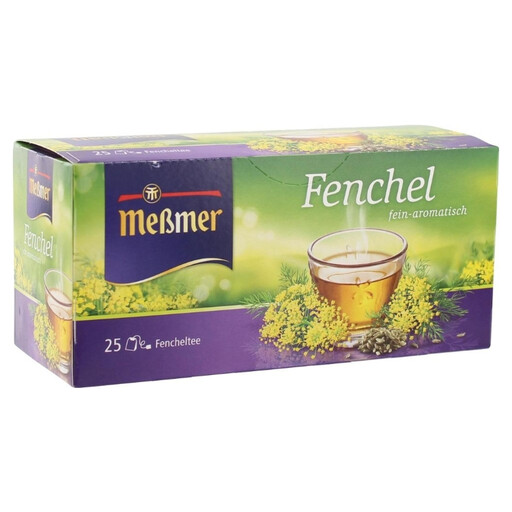
Why this product suits this profile: Pure fennel and 25 tea bags containing 3 g each make this a straightforward choice for regular household use.
The ingredients list names fennel as the only ingredient, so there are no unexpected spicy or fruity notes.
100% fennel according to the product details, 25 bags and a 70% Rainforest Alliance-certified proportion.
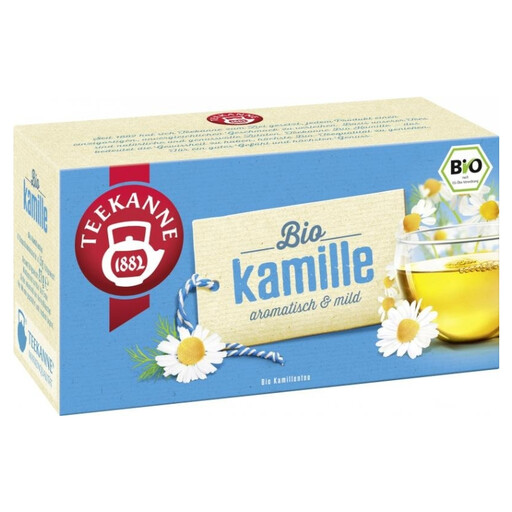
Why this product suits this profile: A clearly labelled organic option for buyers who prefer a single-variety chamomile blend.
The ingredients statement lists 100% chamomile from certified organic cultivation rather than an unclear herbal blend.
Organic chamomile, 18 bags containing 1.5 g each, and preparation with an infusion time of five to eight minutes.
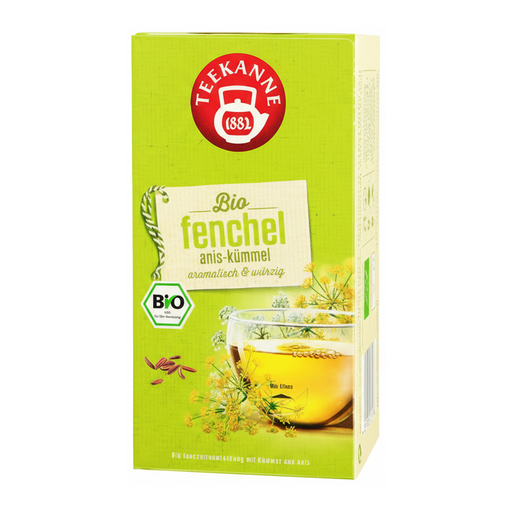
Why this product suits this profile: This spiced blend is aimed at buyers looking for a more distinctive infusion than pure fennel tea.
The proportions are clearly stated: 60% fennel, 30% caraway and 10% anise.
Organic ingredients, 18 individually wrapped bags containing 2.5 g each, and a naturally caffeine-free herbal blend according to the product details.
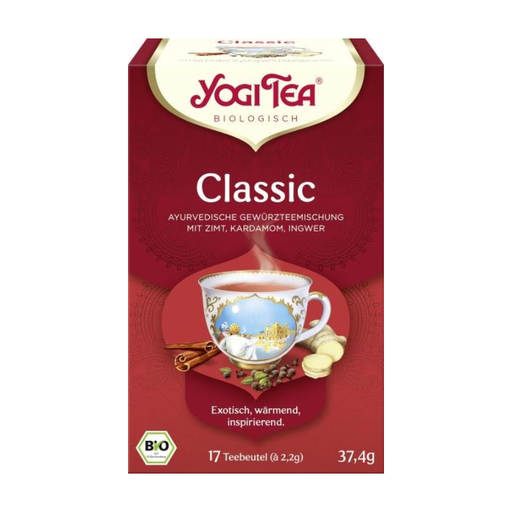
Why this product suits this profile: An organic blend focused on spices, for those who enjoy the flavours of cinnamon, cardamom, ginger and cloves.
The spices and recommended preparation for 250 ml of water are clearly stated, making the flavour profile easy to understand.
100% ingredients from certified organic cultivation according to the product details, 17 bags containing 2.2 g each, optionally served with milk or a vegan alternative.
We have put together a complete, regularly updated list of products that fully meet these strict selection criteria and the safety regulations applicable in the EU.
Store herbal tea in a dry place, protected from heat and preferably away from strongly scented foods. Opened packs should be resealed securely. Individually wrapped herbal tea bags are ideal for the office, travel and the cupboard, but they do create additional packaging waste. If you are looking for more sustainable tea, you can consider certifications and the type of packaging together.
Use fresh, boiling water to prepare the tea and follow the infusion time stated on the pack. After pouring in the water, remove the bags so that the flavour does not become unnecessarily strong or bitter. If you have allergies or specific dietary requirements, the ingredients and allergen list should be the deciding factor before you buy.
Pure herbal tea made from fennel, chamomile or peppermint normally contains no caffeine. Blends containing black tea, green tea, mate or Pu-Erh may contain caffeine, however. Always check the ingredients list and, if necessary, choose a tea explicitly labelled caffeine-free.
The best-before date is shown on the packaging. Unopened products should be stored in a dry, cool place protected from light. Once opened, a tight seal is advisable to prevent the dried herbs from absorbing moisture or unwanted odours.
This depends on the pack instructions and the capacity of the teapot. Three to four bags per litre are often recommended. Always use the relevant product information to determine the exact dosage and infusion time.