
Lieferung heute & morgen

Qualitätsgarantie

Willkommens-Angebote freischalten: KOSTENLOSE Lieferung | Bis zu 80 % RABATT | Kostenlose 30-Tage-JoyPlus-Testphase
App herunterladen
Herbal tea is part of the daily beverage supply in many households. The selection ranges from organic herbal tea and classic herbal tea bags to sweet instant blends and ready-to-drink cans. This variety makes comparisons more difficult: Eye-catching packaging reveals little about the ingredients, serving size or preparation method.
If you want to buy herbal tea online, you should therefore look beyond the flavour or brand name. The key factors are the ingredients list, the amount per tea bag, the preparation instructions and the difference between a pure infusion and a sweetened beverage.
Loose-leaf herbal infusions and tea bags typically contain no added sweeteners. However, the composition of soluble products and ready-to-drink beverages can be very different. Products such as Delief Jujubee Tea 560 g, Delief Ginger Tea 560 g and TBEST Drinks Ginger Tea in jar 500 g contain, among other ingredients, sugar, fructose or glucose syrup according to the product details.
You should therefore check the nutritional information per 100 g or per 100 ml. An aromatic ginger beverage is not automatically equivalent to pure ginger tea.
For a fennel, anise and caraway tea, the proportions of each ingredient should be easy to verify. According to the product information, Teekanne Organic Fennel-Anise-Caraway Tea contains 60% fennel, 30% caraway and 10% anise. This is more meaningful than a general description such as “mild, spicy herbal blend”.
It is also worth checking the ingredients list for peppermint tea. Teekanne Peppermint Tea and Jeden Tag Peppermint Tea are each described as containing peppermint as the primary or sole ingredient. This makes the choice easier when you are looking for a clear mint flavour.
Herbal tea is a food and does not replace medical advice. Certain ingredients may require specific precautions. For example, YOGI TEA Throat Warmer Organic Herbal Tea contains liquorice root. According to the product information, people with high blood pressure should avoid excessive consumption.
A senna infusion such as Ranong Tea Derr Chape Herbal Infusion Original carries specific consumption advice: no more than two cups per day, not suitable for children under 12 and not intended for long-term use without professional advice. Read this information before purchasing and preparing the product.
For organic herbal tea, the EU organic logo or a recognised inspection-body code should be clearly visible on the packaging. According to the product description, YOGI TEA Throat Warmer is made with 100% certified organic ingredients and bears the inspection code DE-ÖKO-005. The ingredients in Teekanne Organic Fennel-Anise-Caraway Tea are described as coming from certified organic cultivation.
“Organic” refers to how the ingredients were produced; it does not automatically indicate a particular flavour, effect or tolerance. You should therefore also compare the specific blend and the desired intensity.
The number of tea bags alone is not a reliable basis for comparing prices. The relevant figure is the weight per tea bag. Examples:
A higher tea-bag weight can produce a fuller infusion, but this also depends on the recipe. The recommended quantity for a teapot is often different from the amount intended for a single cup.
Always use fresh, boiling water and follow the instructions on the packaging. Many products recommend a steeping time of five to eight minutes. Jeden Tag Rosehip & Hibiscus Fruit Tea specifies eight to ten minutes, while YOGI TEA Throat Warmer recommends five to six minutes.
After opening, store tea in a dry, cool place away from strong odours. Aromatic products can absorb smells from their surroundings. Larger jars of instant powder should have a tightly sealed lid; depending on the product, refrigeration may be required after opening.
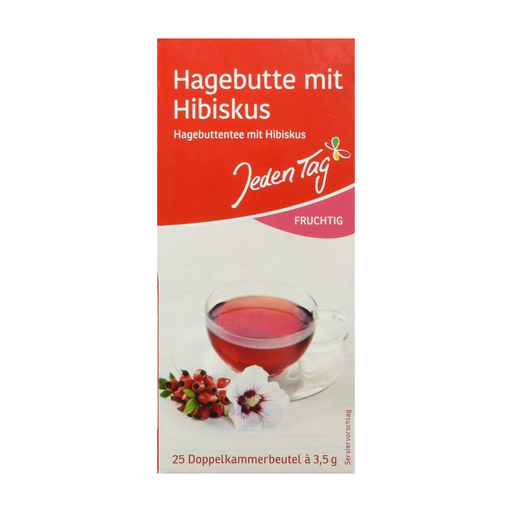
Why this profile is a good fit: The 25 individually portioned tea bags are ideal for households looking for a caffeine-free fruit tea to enjoy at different times of day.
The ingredients are clearly specified as 55% rosehip and 45% hibiscus. The product is described as naturally caffeine-free and contains no highlighted allergens.
25 tea bags at 3.5 g each; prepare with boiling water and steep for eight to ten minutes.
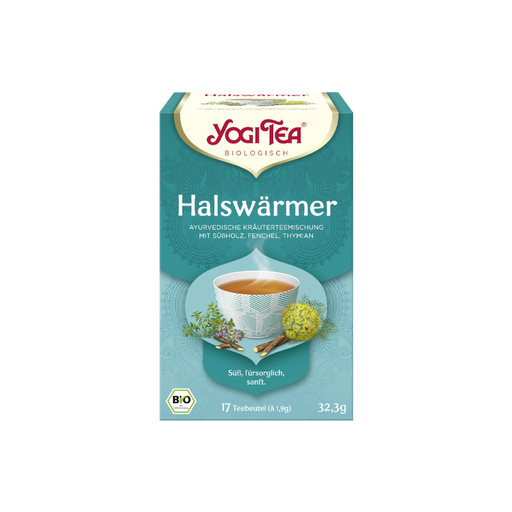
Why this profile is a good fit: This blend is designed for people who enjoy aromatic spice notes and certified organic ingredients.
The recipe lists liquorice root, fennel, cinnamon, orange peel, ginger and thyme. The warning concerning liquorice root and high blood pressure should be observed.
17 tea bags at 1.9 g each; according to the product information, vegan, gluten-free and lactose-free.
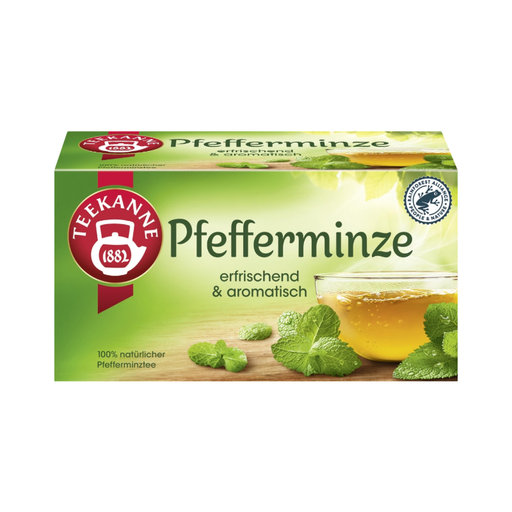
Why this profile is a good fit: Anyone looking for a crisp, refreshing infusion without blended ingredients gets a straightforward recipe that is easy to assess.
The ingredients list specifies 100% peppermint. This eliminates uncertainty about hidden flavourings or additional herbs.
20 tea bags at 2.25 g each; according to the product information, naturally caffeine-free and suitable for vegan and vegetarian diets.
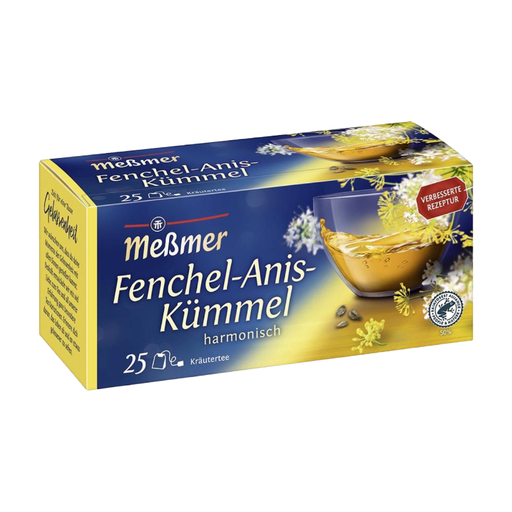
Why this profile is a good fit: The 25 tea bags are well suited to regular cup-by-cup preparation, while the blend combines fennel, anise and caraway in defined proportions.
The ingredients, tea-bag format and six-minute steeping time are specified. This makes the product description verifiable against concrete product data.
25 tea bags at 2 g each; according to the product information, vegan, gluten-free and lactose-free.
We have put together a complete, up-to-date selection of products that meet these criteria and comply with the applicable German labelling requirements.
According to the product information, many pure herbal and fruit teas are naturally caffeine-free. Examples include peppermint tea, fennel tea, chamomile tea and rosehip-hibiscus infusions. Blends containing black tea, green tea, mate or guarana may contain caffeine. Always check the ingredients list.
The steeping time depends on the blend. Five to eight minutes is common, while some fruit teas require eight to ten minutes. The instructions on the specific packaging should always take precedence. For food safety, use boiling water wherever the preparation instructions specify it.
Store tea bags and loose blends in a dry, cool, dark place. An airtight container also helps protect the tea from moisture and unwanted odours. For instant products, follow the manufacturer’s instructions; some must be refrigerated after opening and consumed within a specified period.