
Lieferung heute & morgen

Qualitätsgarantie

Willkommens-Angebote freischalten: KOSTENLOSE Lieferung | Bis zu 80 % RABATT | Kostenlose 30-Tage-JoyPlus-Testphase
App herunterladen
As your Joybuy Product Recommendation Officer, my mission is to provide you with clear, factual information so you can make an informed purchasing decision. The herbal tea market is vast and often shaped by marketing promises. This guide will help you separate the wheat from the chaff.
The range of herbal teas is diverse, but not every product lives up to its packaging. Before you make a choice, you should be aware of two common pitfalls that can lead to disappointment:
To find the right herbal tea, you should focus on objective features rather than advertising messages. The following three criteria are crucial.
The quality of an herbal tea begins with its ingredients. A short and understandable ingredient list is often a sign of a high-quality product.
Different herbs are suitable for different desired effects. Traditional herbalism attributes specific properties to certain plants, which can help in your selection.
The method of preparation affects both taste and handling.
Based on the criteria mentioned, we have compiled a selection of products suitable for different needs.
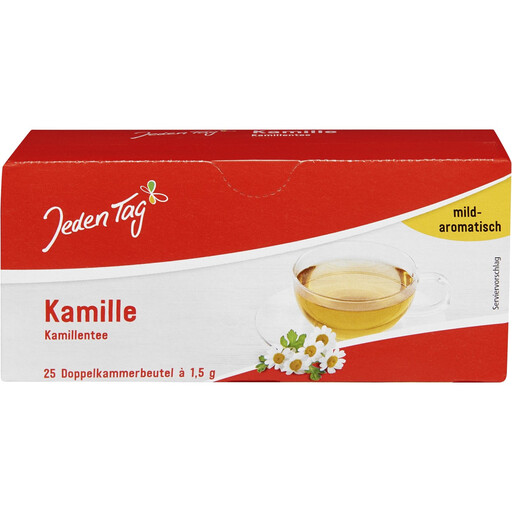
Why it's a good fit: Ideal for daily use and for anyone looking for a straightforward, mild chamomile tea at an attractive price. A solid choice for entering the world of herbal teas.
The product avoids vague wellness promises. The ingredient list is transparent and contains only chamomile flowers.
Good value for money. According to the manufacturer, 30% of the tea comes from UTZ/UEBT certified farms.
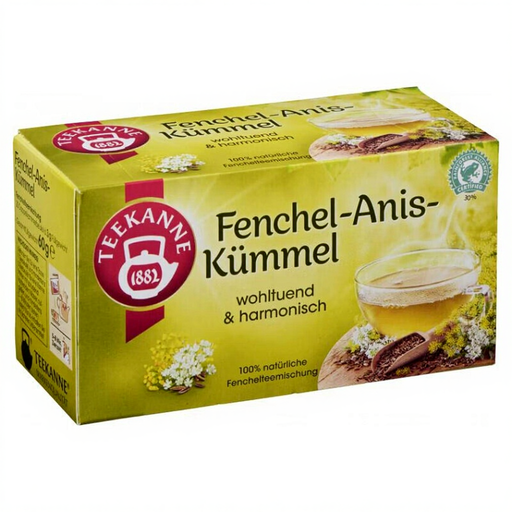
Why it's a good fit: This classic herbal blend is a targeted choice for people seeking a tea to accompany their meals or to support general digestive comfort.
The product name clearly states the three main ingredients. It is a 100% natural herbal blend with no added flavourings or misleading claims.
A proven herbal combination. The product is also Rainforest Alliance certified, which indicates sustainable farming practices.
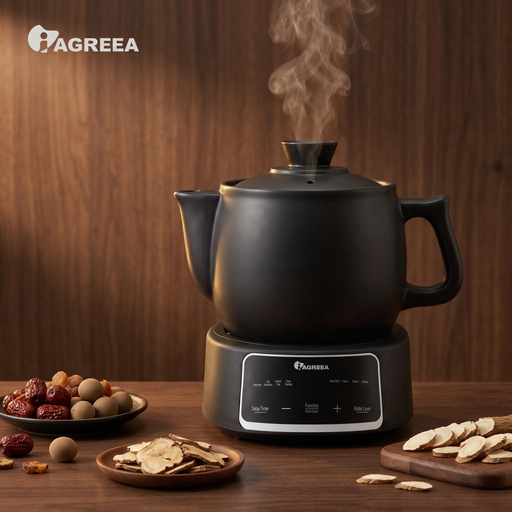
Why it's a good fit: For users who want to go beyond simple tea bag infusions and prepare traditional herbal decoctions or restorative soups. This device automates the complex cooking process.
This device solves the problem of incorrect preparation. It simulates the manual process through segmented heating (strong boiling and gentle simmering), ensuring consistent results.
24-hour timer and automatic keep-warm function for time-saving convenience. The detachable ceramic pot is easy to clean and prevents flavour transfer.
We have compiled a complete, up-to-date list of products that fully meet these strict selection criteria and German food safety regulations.
Herbal teas are natural products. Like other agricultural produce, they can naturally contain germs. Manufacturers recommend on the packaging to infuse the tea with rapidly boiling water (100 °C / 212 °F) and let it steep for the specified time. This process ensures that any potential microorganisms are rendered harmless and you receive a safe food product.
When stored in a dry, dark place, herbal tea does not spoil in the traditional sense, but it does lose its aroma and active ingredient content over time. The best-before date on the packaging indicates how long the manufacturer guarantees the full flavour. As a rule, tea in a well-sealed package is good for 1 to 2 years. After the best-before date, it is usually still safe to drink but may taste less intense.
Yes, mixing different herbal teas is a great way to create individual flavour profiles. For example, you can combine a mild chamomile tea with a refreshing peppermint tea. Start with small amounts to find the ratio that you like best. Be sure to only mix varieties whose ingredients you know and tolerate.