
Lieferung heute & morgen

Qualitätsgarantie

Willkommens-Angebote freischalten: KOSTENLOSE Lieferung | Bis zu 80 % RABATT | Kostenlose 30-Tage-JoyPlus-Testphase
App herunterladen
Anyone looking to buy herbal tea online will quickly find a wide selection of tea bags, organic blends, fruit teas and traditional Chinese herbal drinks. However, product names are not always as clear as they first appear. Terms such as “wellness”, “natural” or “traditional” alone reveal little about the ingredients, sugar content, allergens or the right preparation method.
This guide explains which details matter before you buy and which teas suit different drinking habits.
Loose-leaf herbal tea or tea in a bag often consists solely of dried plant parts. Ready-to-drink beverages and instant products, on the other hand, may contain sugar, sweeteners or fructose. For example, the ingredients list for Wang Lao Ji Classic Herbal Tea includes water and white sugar, with a declared sugar content of 8.0 g per 100 ml. Ginger drinks in jars or powdered form can also contain considerably more carbohydrates than a classic infusion.
If you are looking for a caffeine-free tea to enjoy every day, you should therefore distinguish between a pure infusion, sweetened instant tea and a ready-to-drink beverage.
“Plant-based” does not automatically indicate organic certification. For organic herbal tea, the relevant organic seal or inspection body number on the packaging is decisive. YOGI TEA Evening states that its ingredients are grown under certified organic conditions, while YOGI TEA Throat Warmer lists the organic inspection body DE-ÖKO-005.
If you follow a vegan or gluten-free diet, it is also worth checking the complete ingredients and allergen list. 72 g Sweet Wheat and Jujube Tea contains wheat and is therefore not gluten-free. According to the product information, Meßmer Fennel Tea is vegan and gluten-free.
25 bags do not always contain the same amount of tea. One bag may contain 1.5 g, 2 g or 3 g, for example. Recommended steeping times also vary: Hagebutten-Hibiskus-Früchtetee specifies 8 to 10 minutes, while many herbal teas require 5 to 6 minutes.
For a fair comparison, you should therefore consider net weight, number of bags, grams per bag and the recommended preparation quantity together.
The ingredients list shows whether you are buying a single-variety tea or a blend. A fennel tea made with 100% fennel tastes different from a combination of fennel, aniseed and caraway. Peppermint tea offers a clear, fresh note, while camomile has a mild, floral flavour. With ginger tea, you should also check whether it contains dried ginger, is a flavoured infusion or is a sweetened concentrate.
A warning about liquorice is relevant for people with high blood pressure. YOGI TEA Throat Warmer and YOGI TEA Frauen Power contain liquorice root; the product information advises against excessive consumption in cases of high blood pressure.
Boiling water is recommended for many herbal and fruit teas. The manufacturer’s specific instructions should always take priority. Meßmer Fennel Tea should be infused with freshly boiled water and left to steep for 5 to 6 minutes. Jeden Tag Camomile Tea specifies around 200 ml of boiling water and a steeping time of 5 to 8 minutes.
Chinese herbal teas may require different temperatures and steeping times. JiLiangMu Ginseng Five Treasure Tea is prepared with water heated to 85 to 100 °C for 3 to 5 minutes and, according to the product description, can be steeped several times.
Dried teas should be stored in a dry place, away from heat and strong odours. Once opened, an airtight container can help preserve the flavour. Ready-to-drink cans and bottles, on the other hand, should be stored according to the instructions on the packaging; opened products should be consumed promptly.
Also check whether individual tea bags are wrapped separately. This is practical for the office, travelling and drinking on the go, but it can result in more packaging material.
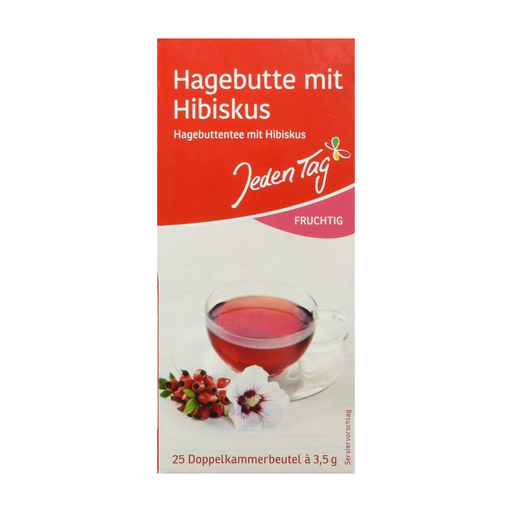
Why this product suits this profile: The 25 portioned bags, each containing 3.5 g, are ideal for getting started with ease and produce a fruity, pleasantly tart infusion with no caffeine.
The ingredients list contains only rosehip (55%) and hibiscus (45%). No sugar or sweeteners are listed among the stated ingredients.
25 bags, a net quantity of 87.5 g and clear preparation instructions using boiling water and a steeping time of 8 to 10 minutes.
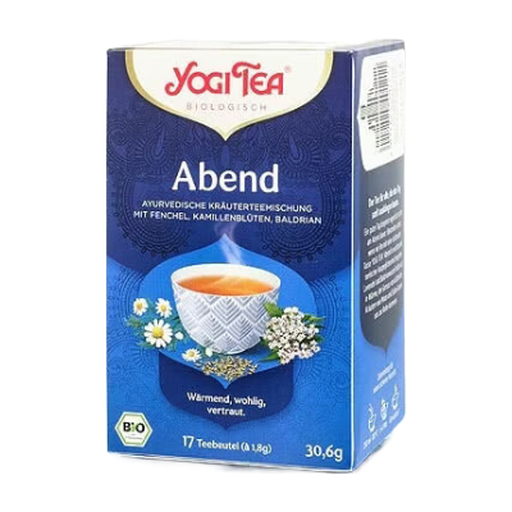
Why this product suits this profile: This organic herbal blend with cinnamon, cardamom, ginger, peppermint, fennel, cloves and lavender is designed as a caffeine-free tea for the evening.
The product information lists the ingredients individually and identifies them as organic. No allergens are stated; the packaging remains the definitive source for a final check.
100% organic ingredients according to the product description, 17 individually wrapped bags and concise preparation instructions.
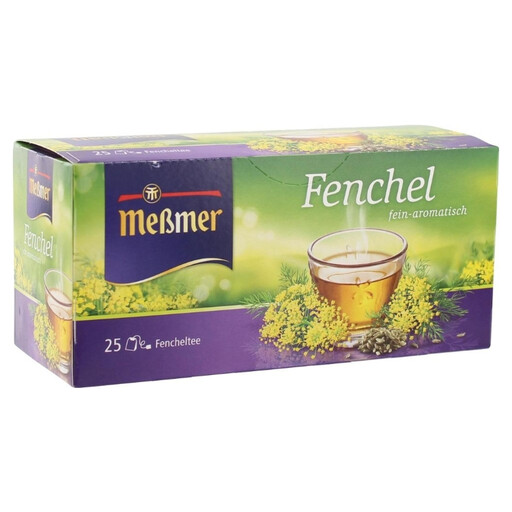
Why this product suits this profile: This single-variety fennel tea is ideal for anyone who prefers a mild, aromatic infusion without a complex spice blend.
With 100% fennel, the main ingredient is clearly stated. This makes it easier to assess the flavour profile before buying.
25 bags containing 3 g each, enough for one cup or several bags for a one-litre pot.
For an evening tea, caffeine-free herbal and fruit teas are an obvious choice. According to the relevant product information, camomile tea, peppermint tea, fennel tea and rosehip-hibiscus infusions contain no caffeine. With blends containing Pu-Erh tea, however, you should check whether the desired caffeine content is stated.
Anyone looking for tea with natural ingredients should check the ingredients list for flavourings, sweeteners and sugar. Vegan tea may be suitable when it consists of pure plant blends and many herbal infusions; however, the product page and packaging provide the definitive information. Traditional Chinese herbal drinks require the same checks: ingredients, allergens, sugar, origin, preparation and usage instructions.
Safety information is particularly important for products containing liquorice or senna. Ranong Tea Derr Chape contains 85% senna leaves and 15% senna fruit and, among other things, specifies a limited daily quantity as well as restrictions for children, pregnant women and breastfeeding women. Products like these should not be treated like an ordinary everyday tea.
We have put together a complete, regularly updated list of products that fully meet these strict selection criteria and the safety regulations applicable in the EU.
Always follow the instructions on the packaging. A common recommendation is 200 to 250 ml of boiling water per bag and a steeping time of 5 to 8 minutes. Fruit tea may require a longer steeping time. For a pot, the recommended number of bags is usually specified.
The best-before date is shown on the packaging. Unopened, dry goods should be stored according to the stated storage instructions. Once opened, airtight containers protect the tea from moisture and foreign odours. Brewed tea should be consumed promptly in accordance with the instructions for the individual product.
Pure herbal teas such as fennel, camomile and peppermint are generally caffeine-free. Fruit tea is also often caffeine-free. Blends containing Pu-Erh, black tea, green tea or mate may contain caffeine, however. The ingredients list is what matters, not simply the term “herbal tea”.