
Lieferung heute & morgen

Qualitätsgarantie

Willkommens-Angebote freischalten: KOSTENLOSE Lieferung | Bis zu 80 % RABATT | Kostenlose 30-Tage-JoyPlus-Testphase
App herunterladen
Anyone looking to buy herbal tea online will find a wide range of options: organic herbal tea, herbal tea bags, Ayurvedic herbal tea, fruit tea and ready-to-drink tea beverages differ considerably in their ingredients, preparation and pack sizes. However, an appealing product name alone says little about what is actually inside. The following criteria can help you narrow down your options objectively for everyday enjoyment.
Terms such as “Wellness”, “Detox” or “Balance” often describe how a blend is positioned, but they are not proof of any medical or therapeutic effect. Herbal tea is essentially a food product. The key factors are therefore the ingredients list, flavour and your preferred drinking habits – not sweeping claims.
For blends containing liquorice root, you should also take note of the information on the packaging. The YOGI TEA Throat Warmer and several Yogi Tea varieties carry a warning that people with high blood pressure should avoid excessive consumption.
A classic herbal or fruit tea is made by pouring hot water over it and usually contains no tea leaves. A bottled drink such as Fuze Tea Green Tea Mango Chamomile, on the other hand, is a ready-to-drink soft drink containing brewed green tea, sugar and sweeteners. This difference matters if you are looking for a caffeine-free tea: green tea can contain caffeine, whereas pure herbal and fruit tea blends are generally caffeine-free.
17 tea bags weighing 1.8 grams each cannot be compared directly with 18 bags weighing 2.5 grams each or 200 grams of loose tea. You should therefore always check:
This gives you a more realistic idea of the price per cup.
The ingredients list indicates which components are likely to shape the flavour. Fennel, anise and caraway tea has an aromatic, spicy and slightly sweet character. The Meßmer Fennel, Anise & Caraway Tea lists fennel, caraway and anise as its main ingredients. Teekanne’s organic tea states the proportions as 60 per cent fennel, 30 per cent caraway and 10 per cent anise.
If you prefer a stronger, more bitter flavour, sage tea may be a good choice. A blend such as Meßmer Sage-Eucalyptus Herbal Tea combines sage with blackberry leaves, lemongrass, liquorice root and eucalyptus. For milder notes, try organic chamomile tea made with 100 per cent chamomile, such as the variety from Teekanne.
Fruit tea often contains hibiscus, apple, rosehip or natural flavourings. This can give it a fruity and slightly tart taste. According to the product description, Bünting Apple-Lemon Fruit Tea can be prepared hot or as iced tea.
“Organic” should not appear only in the product name. Look for a specific certification of controlled organic farming and, where provided, the code of the organic inspection body. According to the product information, YOGI TEA Throat Warmer carries the certification DE-ÖKO-005 and contains ingredients from controlled organic cultivation.
Organic quality refers to how the ingredients are farmed. It does not automatically say anything about flavour, tolerance or a particular effect. If you specifically want to buy organic herbal tea, you should also check the ingredients list and allergen information.
Many pure herbal and fruit teas are naturally vegan and free from gluten and lactose. However, this does not apply to every blend. According to the product information, Yogi Tea Alkaline Herbal Tea contains oat grass and therefore contains gluten. If you have allergies or intolerances, the information on the packaging is decisive.
A vegan tea may still contain liquorice root, spices or other ingredients that some people may not wish to consume regularly. For households with different dietary requirements, clearly stated allergens and a complete ingredients list are particularly important.
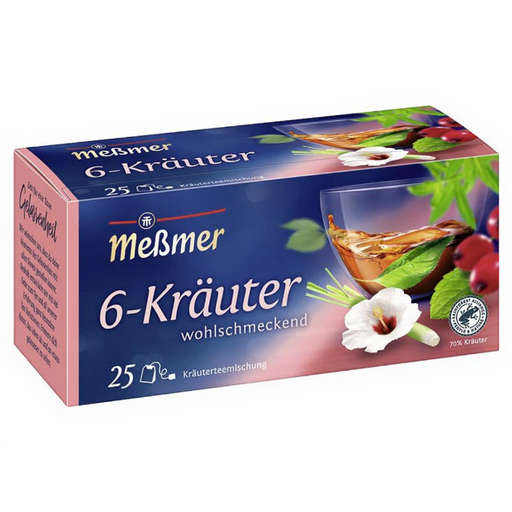
Why this product suits this profile: The pack contains 25 tea bags weighing 2 grams each and combines peppermint, lemongrass, rosehip, hibiscus, blackberry leaves and lemon verbena in a versatile blend.
The ingredients and dosage are clearly stated. This makes it easier to compare the blend with heavily promoted wellness teas whose descriptions are less precise.
25 bags; six clearly named herbs and fruit ingredients; no allergens according to the product information.
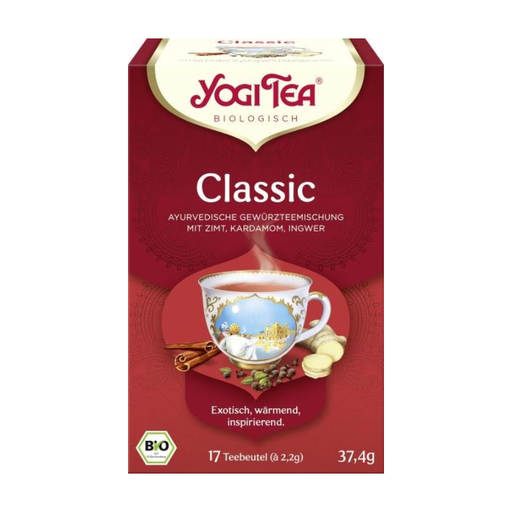
Why this product suits this profile: The Ayurvedic-inspired spice blend contains cinnamon, cardamom, ginger, cloves and black pepper from controlled organic cultivation.
The organic certification and complete ingredients list make it clear what creates the intense aroma.
Organic ingredients; 17 bags weighing 2.2 grams each; prepare with 250 ml of boiling water and brew for seven minutes.
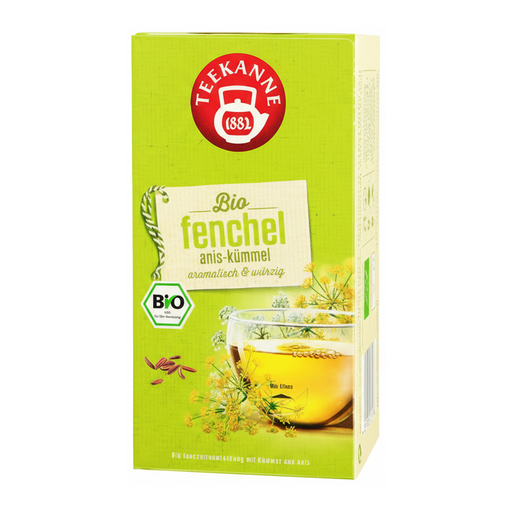
Why this product suits this profile: This classic three-ingredient blend is available as organic herbal tea in 18 individually wrapped bags, making it suitable for regular cups or a whole pot.
The individual 2.5-gram portion and clearly stated proportions make it easier to prepare a consistent brew without uncertain dosing.
100 per cent ingredients from controlled organic cultivation according to the product information; naturally caffeine-free; no declared allergens.
We have put together a complete, regularly updated list of products that fully meet these strict selection criteria and the safety regulations applicable in the EU.
For herbal tea bags, freshly boiled water is the usual recommendation. Meßmer recommends a brewing time of six minutes for several of its blends. Organic chamomile tea may require five to eight minutes. The instructions on the relevant packaging should always be followed.
Dry tea bags should be stored in a cool, dry place away from direct sunlight. Strong odours can affect the flavour. Loose blends should be kept in a tightly sealed container. The best-before date applies to unopened products; once opened, the contents should be stored somewhere dry and protected from loss of flavour.
Pure herbal and fruit teas such as fennel, anise and caraway tea, chamomile, sage or an apple-lemon blend are normally caffeine-free. For products containing green or black tea, check the ingredients list, as these types of tea can contain caffeine.
No. Many organic blends meet these criteria, but they cannot be assumed to do so automatically. Check the certification and allergen information. According to the product information, Yogi Tea Alkaline Herbal Tea contains oat grass and is therefore not gluten-free.
The brewing time depends on the blend and portion size. Five to eight minutes is common. For safe preparation, the water should be freshly boiled and the specific manufacturer’s instructions followed.