Herbs for dinner
You want to keep shop-bought fresh herbs in good condition until mealtime and find out whether your existing salad drawer is up to the job. The BZfE offers useful storage advice for herbs.


If you only need your herbs to stay fresh until dinner, that alone isn’t a reason to buy a new fridge. The German Federal Centre for Nutrition (BZfE) recommends storing culinary herbs, except basil, in a damp cloth or plastic bag in the salad drawer; basil needs different treatment. If you’re already planning to buy a new fridge, first consider where it will go and how much fridge and freezer space you need. Then compare how practical the salad drawer is and check the stated annual energy consumption, as recommended by the consumer advice centre.
You want to keep shop-bought fresh herbs in good condition until mealtime and find out whether your existing salad drawer is up to the job. The BZfE offers useful storage advice for herbs.
You store vegetables and other ingredients alongside your herbs and need well-organised fridge space. The consumer advice centre recommends not overfilling your fridge, so air can circulate.
You’re choosing a new appliance and need to weigh up the available space, your freezer needs and the ongoing electricity consumption. The consumer advice centre recommends checking the energy label and consumption figures when comparing models.
First, check whether your existing salad drawer has enough room for your herbs and other ingredients. If you’re buying an appliance anyway, decide on the style and the fridge and freezer capacity you need. Freshness features are most worthwhile if you’ll use them regularly.
The BZfE recommends storing culinary herbs, except basil, in a damp cloth or plastic bag in the salad drawer. The consumer advice centre advises against overfilling your appliance and recommends checking the energy label and consumption figures when comparing fridges. The percentages below are approximate guides to the priorities described.
| Buying priority | What to check | Who prioritises this? |
|---|---|---|
| Keeping herbs fresh | Check the usable space and ease of use of the salad drawer; plan to store basil separately. | If I only want to keep herbs fresh until dinner, a suitable salad drawer and the right storage method matter most. Around 36% of consumers put herb freshness first. |
| Space for ingredients and frozen food | Compare fridge and freezer capacity separately; also consider the layout and accessibility of the compartments. | If there needs to be room for vegetables and other ingredients for a shared meal, as well as herbs, a well-organised layout is important. Around 29% of consumers prioritise usable space for ingredients. |
| Ongoing electricity consumption | Compare the EU energy label, kWh per year and appliance size together. | If you’re choosing an appliance that will run all the time, you can factor its stated consumption into your decision. Around 21% of consumers prioritise ongoing energy costs over extra freshness features and style. |
| Style and installation | Check the available space or niche dimensions, appliance depth and door fitting against the specifications of the model you’re considering. | If your kitchen only allows for a particular type of installation, the appliance needs to fit. Around 14% of consumers prioritise the right style and installation requirements. |
The comparison cited by Beko is based on broccoli and lettuce. It doesn’t show that basil or parsley will last just as long.
Check which foods and conditions a claim applies to, and choose features based on how regularly you’ll use them.
Consider whether any extra cost for a freshness feature is justified by how often you’ll use it.
The BZfE specifically excludes basil from its recommendation to store culinary herbs in the salad drawer.
Plan to store basil separately and follow the relevant storage advice for other herbs.
A built-in model needs to fit the kitchen niche and door fitting. A fridge also runs long after dinner is over, so its stated annual energy consumption matters when choosing one.
First, check the available space and the capacity you need. Then compare the energy label and the consumption figure for the specific model.
Built-in fridges such as the KI31RADD1 are worth considering if your kitchen has a suitable niche and you don’t need an integrated freezer compartment.
Freestanding fridge freezers such as the KGN36VWED are an option if you need both fridge and freezer space.
Built-in models such as the HATB 174 DE combine a freezer compartment with a fruit and vegetable drawer, provided the installation space is suitable.
The freestanding RBa30 425i is an example of a fridge with a dedicated BioFresh section for storing fresh food regularly.
Models with EverFresh+ are worth considering if you’re comparing salad drawer features and want to look at the details of each model.
This selection includes freestanding fridge freezers and built-in models with a vegetable or freshness drawer. The key is to find a style, fridge capacity and freezer capacity that suit your household.
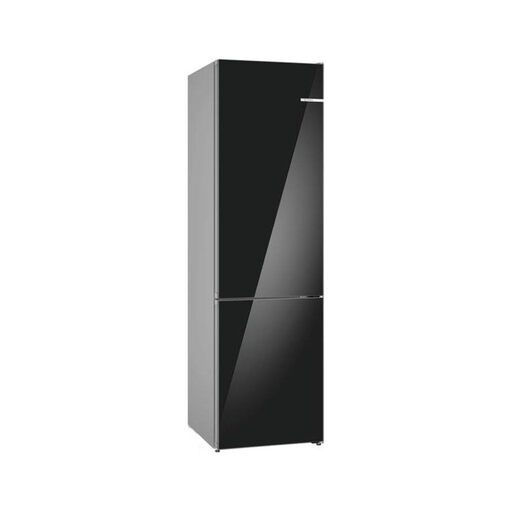 No image available
A freestanding fridge freezer for households that need fridge and freezer space, as well as a dedicated freshness section.
260 l fridge capacity and 103 l freezer capacity; VitaFresh XXL for fruit and vegetables; adjustable shelves.
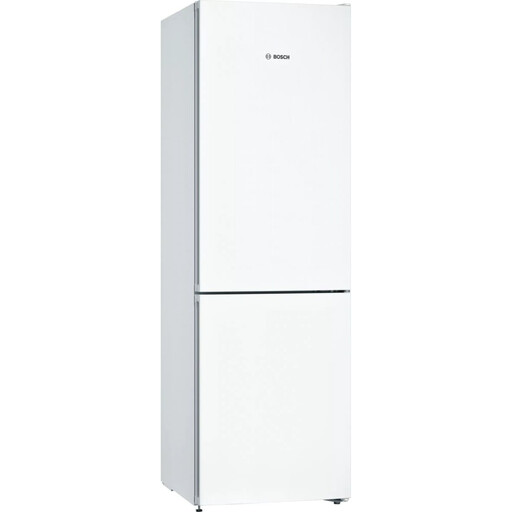 No image available
This freestanding fridge freezer is worth considering if you want a VitaFresh drawer and freezer space in one appliance.
237 l fridge capacity and 89 l freezer capacity; VitaFresh drawer with adjustable humidity for fruit and vegetables; separate 0°C drawer for meat and fish; NoFrost; energy efficiency class E.
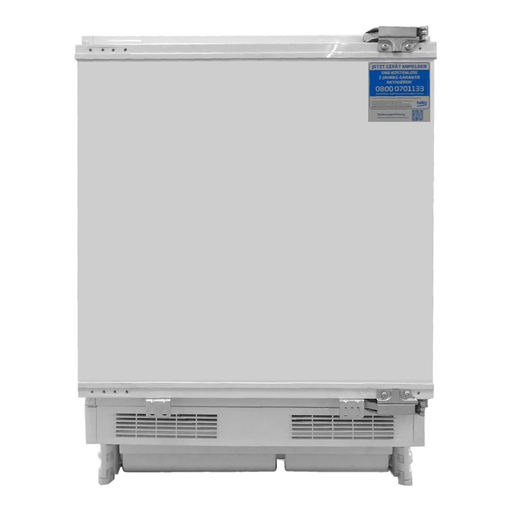 No image available
A built-in appliance for a suitable niche, if you need a small freezer compartment as well as fridge space.
92 l fridge capacity and 15 l freezer capacity; designed for an 88-cm niche; reversible door; MinFrost.
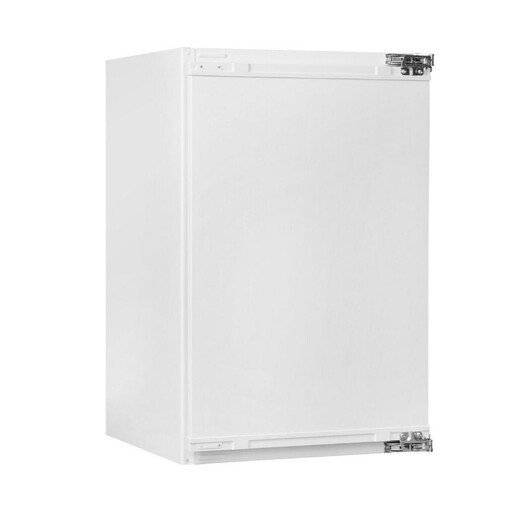 No image available
This built-in appliance suits households looking for a crisper drawer and freezer compartment in a compact design.
97 l fridge capacity and 13 l freezer capacity; crisper drawer; designed for an 88-cm niche and fixed-door installation; energy efficiency class E.
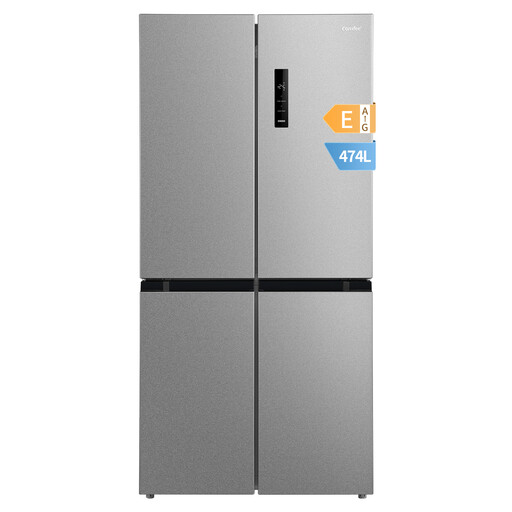 No image available
A spacious freestanding fridge freezer for households that want to keep a range of ingredients and frozen food separate.
474 l total capacity; four doors; vegetable drawer with three adjustable temperature settings; freezer drawers that can be joined together.
No. The BZfE recommends the salad drawer for culinary herbs, but specifically excludes basil. For other fresh herbs, it recommends using a damp cloth or plastic bag in the salad drawer. Wash and chop them just before eating.
Regularly remove any condensation, clean the fridge and avoid overfilling it. The consumer advice centre also recommends keeping fruit and vegetables separate from eggs and meat.
Compare the size you need with the stated consumption in kWh per year. To work out the difference for your household, multiply the difference in consumption by your electricity price per kWh. Check delivery, installation and old appliance removal separately for each offer.
EU energy labelling rules apply to new household refrigerating appliances covered by the regulations. According to EU information, the energy label must also be visible when the appliance is sold online. The consumer advice centre distinguishes between the statutory legal guarantee and a voluntary warranty. Old appliances should be taken to separate collection points, as explained by the German Environment Agency.