
Lieferung heute & morgen

Qualitätsgarantie

Willkommens-Angebote freischalten: KOSTENLOSE Lieferung | Bis zu 80 % RABATT | Kostenlose 30-Tage-JoyPlus-Testphase
App herunterladen
Herring fillets in tomato sauce are a pantry staple—convenient, nutritious, and versatile. But the selection on supermarket shelves and online is vast, and not every can delivers on its promise. Shoppers who grab a can without checking are often disappointed by watery sauces, low fish content, or unexpectedly high sugar levels.
As your Joybuy Product Recommendation Officer, I'm here to help you navigate the common pitfalls of buying. This guide will show you which objective criteria truly matter, so you can make an informed decision for your next quick canned dinner.
The sheer number of options can be overwhelming, and marketing promises don't make it any easier. Pay attention to these three points to avoid disappointment:
To avoid these pitfalls, a quick glance at the packaging is all you need. Focus on the following three parameters to make a great choice.
The fish content, listed as a percentage, is one of the most important quality indicators. It reveals how much herring is actually in the can. Products with a content of 60% or more generally offer a better ratio of fish to sauce. This is an objective value that helps you assess the true contents of the can before you buy canned herring.
If you value sustainability, the blue MSC seal (Marine Stewardship Council) is an essential benchmark. This internationally recognised certificate confirms that the fish comes from a sustainable fishery that works to protect fish stocks for the future. An MSC fish is a conscious choice for protecting the marine environment.
A look at the ingredients list quickly reveals what the sauce is really made of. Note the position of sugar and starch. If they appear near the top of the list, their proportion is high. High-quality products are distinguished by a high percentage of tomato paste and a short, simple list of ingredients. This applies not only to the classic tomato sauce but also to variations like herring fillets in mustard sauce or spicy curry creams. Other canned products like canned fried herring also benefit from a clear and concise ingredients list.
To make your choice easier, we have matched some products from our range to different user profiles.
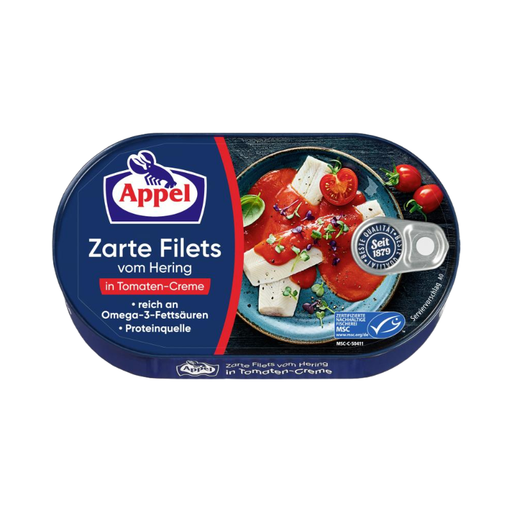
Why This Fits Their Persona: Ideal for anyone looking for a reliable, classic, and readily available meal. It pairs perfectly with bread or boiled potatoes for a simple lunch or dinner.
This product clearly declares a fish content of 60% and a sauce based on tomato paste rather than primarily water and starch. The MSC seal ensures sustainable sourcing.
A classic, proven recipe from a heritage brand. The product is MSC-certified and provides a solid foundation for a quick meal.
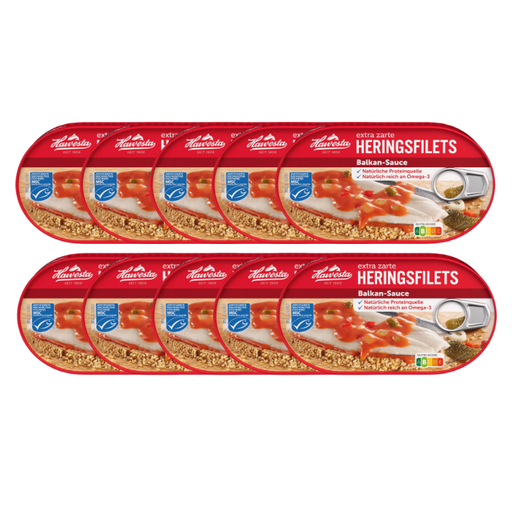
Why This Fits Their Persona: Perfect for families, flatmates, or individuals who like to keep a well-stocked pantry. This bulk pack of canned fish ensures quick meals for many occasions and offers a price advantage.
The sauce contains a vegetable mix (7.5%), which provides more substance and flavour. With 60% fish content and the MSC seal, this Hawesta herring product meets key quality criteria.
A convenient 10-pack for long-term stocking. The savoury sauce with vegetables offers a flavourful change from plain tomato cream.
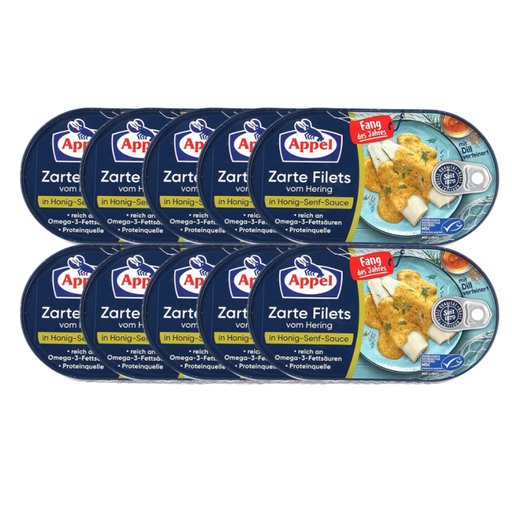
Why This Fits Their Persona: For those seeking a change from the classic tomato sauce. This variety combines sweet, savoury, and herbal notes, making it excellent for creative dishes or as a special snack on bread.
The ingredients list is transparent, clearly naming the flavour-defining components like mustard (10%) and honey (0.8%). With 60% fish content and the MSC seal, the quality remains high.
A balanced, creamy, and savoury sauce that stands out from standard varieties. The combination of honey, mustard, and dill offers a complex flavour experience.
We have compiled a complete, real-time list of products that fully satisfy these strict selection criteria and UK safety regulations.
The MSC (Marine Stewardship Council) seal is a global certification program for sustainably caught fish and seafood. When you buy a product with this seal, you can be confident that the fish comes from a fishery that has been proven to use well-managed and sustainable practices. This includes conserving fish stocks and protecting the marine ecosystem.
After opening the can, you should transfer any unused contents into a non-metallic, sealable container (e.g., glass or plastic). Stored in the refrigerator, the herring fillets will typically last for another one to two days. Storing them in the opened metal can is not recommended, as the fish can take on a metallic taste.
Yes, canned herring fillets can also be heated. They work well as a quick sauce for pasta or as a topping for a warm potato casserole. It is important to heat the fillets gently and not to boil them, as they can fall apart and lose their delicate texture.