
Lieferung heute & morgen

Qualitätsgarantie

Willkommens-Angebote freischalten: KOSTENLOSE Lieferung | Bis zu 80 % RABATT | Kostenlose 30-Tage-JoyPlus-Testphase
App herunterladen
Designing a custom space, whether it's a gaming room or a modern living area, is increasingly defined by modular lighting. In particular, LED Hexagon Panels have established themselves as a popular element for creating a dynamic and personalized atmosphere. However, the market offers a multitude of options, and the differences in quality often only become apparent after purchase. Many products entice with impressive images but prove to be unreliable in practice. This guide highlights the most common pitfalls and explains which technical features you should look for to make an informed decision.
When choosing modular gaming decor, there are several recurring issues that lead to frustration and unnecessary expenses. Knowing what they are allows you to specifically filter for durable and functional products.
A frequent annoyance is adhesive pads that lose their strength after a short time. The result: individual panels or entire groups detach from the wall. This is not only frustrating but can also damage the delicate connectors or the panels themselves. The cause often lies in low-quality adhesives that are not designed for the weight of the panels or the texture of typical wall paints and wallpapers.
The modularity of hexagon lights is their greatest advantage, but also a potential weak point. The connection between individual elements must be both mechanically stable and electrically reliable. Cheap plug-in systems or imprecisely manufactured USB connections can lead to loose contacts. The results are flickering lights, color discrepancies, or the complete failure of segments in your honeycomb lamp. The power supply is equally critical: an undersized power adapter cannot deliver the necessary power for a larger number of connected panels.
What good is the most beautiful LED wall light if the controls are complicated or faulty? Many budget models come with apps that are not user-friendly, crash frequently, or offer only limited features. Unreliable music synchronization or a lack of compatibility with common smart home systems severely limits the utility and turns a potentially smart lighting system into a frustrating gadget.
To avoid the problems mentioned above, it is advisable to check a few key parameters before buying. These provide insight into the quality and longevity of the product.
Pay close attention to how the RGB panels are connected to each other.
Flexible control is crucial for user convenience. Good systems offer multiple options:
The quality of the lighting experience depends on the built-in LEDs and the control electronics.
Based on the criteria mentioned, we have put together a selection of products suitable for different user profiles and requirements for gaming room accessories.
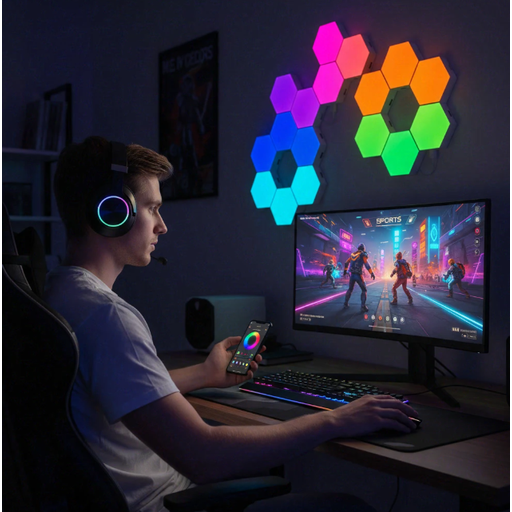
Why This Fits Their Persona: Ideal for users who want to create a dynamic and reactive backdrop for their gaming setup or streaming background. The combination of modularity and music synchronization allows for a high degree of personalization.
The system uses a USB connection system for power transfer between panels and comes with app control as well as a remote. This addresses the pitfalls of unstable connections and poor control.
The music sync function reacts to ambient sound, adjusting colors and brightness accordingly. The 8 independent panels allow for creative arrangements right from the start.
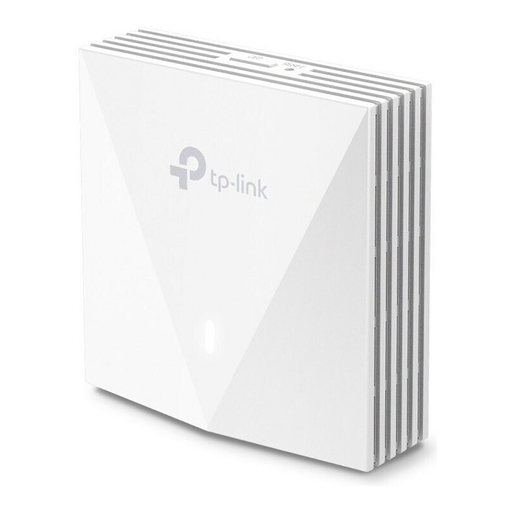
Why This Fits Their Persona: For users who prioritize technical infrastructure as much as aesthetics. A stable, fast network connection is essential for online gaming and streaming. This product discreetly integrates network hardware into the wall.
It avoids the trap of a messy setup with visible cables and routers. The in-wall installation achieves a clean, professional look that complements the aesthetic of LED installations rather than disrupting them.
Provides modern Wi-Fi 6 connectivity directly from the wall, reducing latency and signal interference. The integrated ports allow for direct, wired connections for devices.
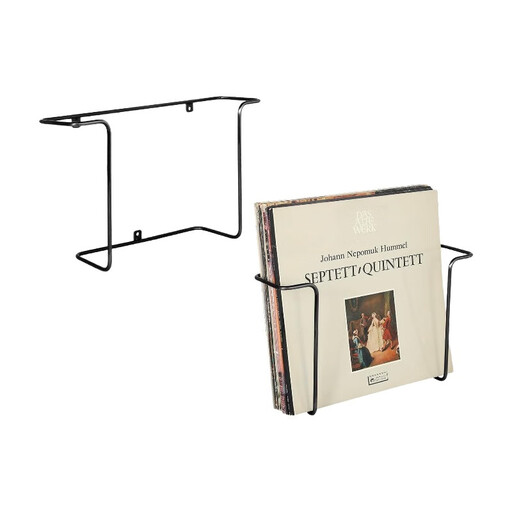
Why This Fits Their Persona: For users who want to decorate their wall not just with light, but also with personal items. These racks turn record sleeves—like those from game soundtracks—into works of art, complementing a modern interior.
It avoids the pitfall of impersonal decoration by allowing you to prominently display your own collection. Instead of generic posters, the wall decor becomes an expression of personal interests.
The minimalist metal wire design directs focus to the album art. The open structure feels light and doesn't clutter the wall, which harmonizes well with the sleek look of LED panels.
We have compiled a complete, up-to-date list of products that fully meet these strict selection criteria and safety regulations.
How many LED panels can I connect together? The maximum number depends on the manufacturer and the specific model. The key factors are the power consumption per panel and the capacity of the included power supply. The product description or manual usually contains a clear specification, e.g., "up to 20 panels per power supply." Exceeding this limit can lead to a loss of brightness or failures.
Do the adhesive pads on LED panels damage the wall? This depends on the quality of the adhesive pads and the condition of the wall. On textured wallpapers or delicate paint, damage can occur during removal. A tip: Gently warm the adhesive pads with a hairdryer before peeling them off. This softens the adhesive and makes removal easier. Some manufacturers also recommend mounting the panels on a separate backing board, which is then attached to the wall.
Are RGB panels energy-efficient? Modern LED technology is generally very energy-efficient. The actual power consumption depends on the brightness, the number of panels, and the colors displayed (displaying white typically consumes more energy than individual colors). However, compared to traditional lighting methods, consumption is low. The exact power consumption values in watts can usually be found in the product's technical specifications.