
Lieferung heute & morgen

Qualitätsgarantie

Willkommens-Angebote freischalten: KOSTENLOSE Lieferung | Bis zu 80 % RABATT | Kostenlose 30-Tage-JoyPlus-Testphase
App herunterladen
The search for the right high-dose magnesium supplement can quickly become overwhelming. Between different compounds, dosage claims, and delivery forms, it's a challenge to find a product that meets your personal needs without falling for marketing promises. As your Joybuy Product Recommendation Officer, I'm here to help you sort through the facts and make an informed decision.
This guide focuses on the objective criteria that truly matter when purchasing magnesium products and highlights common pitfalls that can lead to the wrong choice.
Before you buy magnesium, it's helpful to understand the most common points of confusion that often lead to poor purchasing decisions. Many products look similar at first glance, but the differences are in the details.
To avoid the pitfalls mentioned above, you should focus on three core parameters. These will help you objectively evaluate the quality and suitability of a magnesium product.
This is the most important value. Look for the "Magnesium" or "of which pure magnesium" line in the nutrition facts table. A statement like Magnesium 400 mg per daily dose typically refers to the elemental content and provides a clear basis for comparison. Products that only list the total amount of the compound are less transparent. The German Nutrition Society (DGE) recommends a daily intake of 300 to 350 mg of magnesium for adults, depending on age and gender. An increased need can arise from factors like athletic activity.
The choice of compound affects how well your body can utilize the magnesium. Here are some common forms:
The choice between magnesium tablets, capsules, powder, or effervescent tablets is a matter of personal preference and lifestyle.
Based on the objective criteria above, we have compiled a few products for different needs.
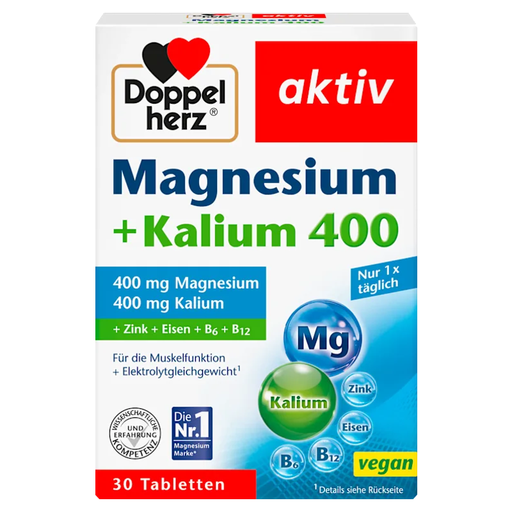
Why This Fits Their Persona: Ideal for those with an active lifestyle who want to support their muscle function and electrolyte balance. The combination of magnesium and potassium is particularly relevant after sports to replace minerals lost through sweat.
The nutrition table clearly states the content of elemental magnesium (400 mg) and potassium, ensuring transparency. It's not just a lifestyle product, but a functional combination for a specific need.
Combines two important electrolytes in one tablet. Also contains zinc and B vitamins to support energy metabolism.

Why This Fits Their Persona: Suitable for individuals looking to supplement their evening routine to support muscles and nerves. The formulation is specifically designed for intake before bedtime.
This product goes beyond a simple magnesium supply, offering a clear, night-focused benefit with the addition of lemon balm extract and lavender oil, rather than just advertising a high dose.
High-dose with 500 mg of magnesium per tablet. The time-release function delivers nutrients over several hours. Also contains B vitamins and Vitamin D.

Why This Fits Their Persona: For users specifically seeking a highly bioavailable form of magnesium who value a pure formulation. The capsule form is free of flavours or sweeteners and is suitable for a vegan lifestyle.
The product intentionally uses magnesium citrate, a compound known for its good absorption. It avoids the pitfall of combining a high dose with a less bioavailable form like pure oxide.
Focuses on a single, well-researched magnesium compound. The 4-month supply offers good value for money for long-term use.
We have compiled a complete, up-to-date list of products that fully meet these strict selection criteria and German regulations.
The intake of magnesium as a dietary supplement should be based on individual needs. The recommended daily dose indicated on the product should not be exceeded. In case of uncertainty or pre-existing conditions, especially concerning kidney function, a consultation with a doctor or pharmacist is advisable.
There is no fixed rule, but intake can be adjusted according to your goal. Many athletes take magnesium after training to support muscle function. For those using magnesium for nighttime use to help with relaxation, taking it in the evening is recommended. Taking it with a meal can improve tolerability.
An intake of more than 250 mg of magnesium per day can lead to softer stools or a laxative effect in sensitive individuals. This is a known property of magnesium and is generally harmless. If more severe symptoms occur, it may help to reduce the dose or switch to a different magnesium compound.