
Lieferung heute & morgen

Qualitätsgarantie

Willkommens-Angebote freischalten: KOSTENLOSE Lieferung | Bis zu 80 % RABATT | Kostenlose 30-Tage-JoyPlus-Testphase
App herunterladen
By Joybuy Product Recommendation Officer, August 28, 2026
The market for high-dose vitamin D3 supplements is vast, and choosing the right product can be overwhelming. Many users specifically want to support their vitamin D for immune system and bone health, especially during the months with less sun. However, not every high-dose product delivers on its marketing promises. This guide will help you identify essential quality markers and avoid common purchasing pitfalls.
Before you buy vitamin D3, it's crucial to see through common marketing strategies that often create more confusion than clarity.
To make an informed decision, focus on three objective criteria that determine the quality and suitability of a vitamin D3 supplement.
The dosage of vitamin D is specified in International Units (IU). Products with 1,000 IU or more per single dose are generally considered high-dose vitamin D3.
The decision for a specific dosage is individual. If you are uncertain or wish to clarify a potential vitamin D deficiency, consulting a healthcare professional is advisable.
Vitamin D3 does not act alone in the body. Certain nutrients complement its function and can enhance its effectiveness.
The form of the supplement affects its ease of use and, in some cases, its absorption.
Instead of making a one-size-fits-all recommendation, we have identified products tailored to specific needs and user profiles.
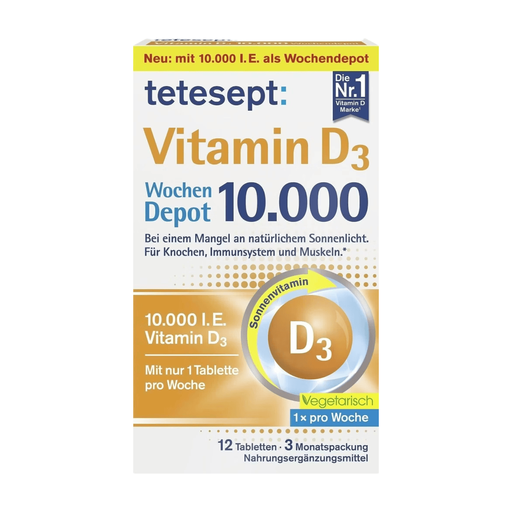
Why This Fits Their Persona: Ideal for individuals who prefer a hassle-free routine and don't want to think about taking a supplement every day. The weekly dose fits perfectly into a busy lifestyle.
The product clearly communicates that it is a depot supplement for weekly intake. This prevents the pitfall of misleading dosage information.
High Depot Dose: One tablet supplies the body for 7 days. Convenience: Only needs to be taken once a week.
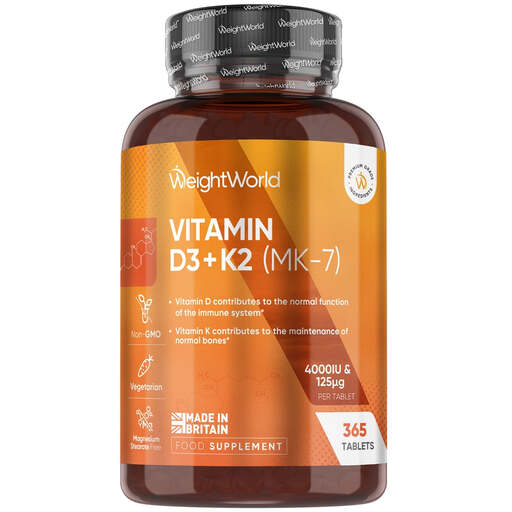
Why This Fits Their Persona: Perfect for health-conscious users who want to leverage the synergistic effect of vitamin D3 and K2 for bone health and calcium utilisation.
This product avoids the trap of questionable combinations by focusing on a scientifically recognised synergy and using the highly bioavailable form of vitamin K2 (MK-7).
Smart Combination: Contains 4000 IU of Vitamin D3 and 125 mcg of Vitamin K2 as MK-7. Year's Supply: Highly economical with 365 tablets.
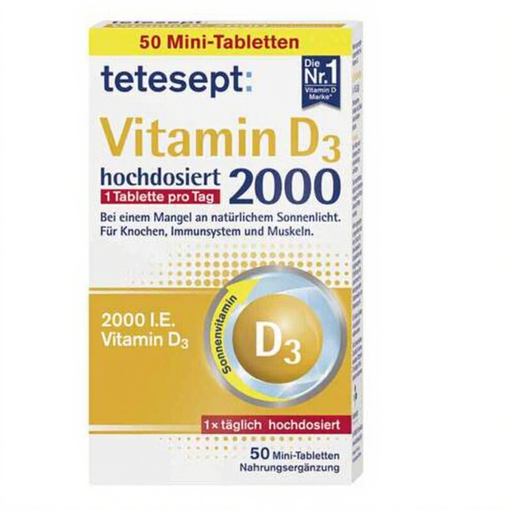
Why This Fits Their Persona: Suitable for anyone looking for a solid, daily baseline of vitamin D3 to support the immune system and muscle function, without any additional nutrients.
This product focuses on a single active ingredient in a clear, daily dosage. It avoids the trap of superfluous and expensive combination supplements.
Clear Dosage: 2,000 IU per tablet for daily intake. Focus on the Essentials: A pure vitamin D3 supplement without unnecessary additives.
We've compiled a complete, up-to-date list of products that fully meet these strict selection criteria and UK/EU regulations.
1. When is taking high-dose vitamin D3 a good idea? Supplementation is often considered during the autumn and winter months, as the body's own production through sun exposure is reduced. Certain groups, such as older adults or individuals who spend little time outdoors, may also have an increased need. The diagnosis of an actual vitamin D deficiency and the recommendation for a high-dose intake should be made by a healthcare professional.
2. Should you always combine vitamin D3 with K2? The combination of vitamin D3 K2 is not mandatory but is considered particularly beneficial for bone health. Vitamin D3 improves calcium absorption, while vitamin K2 helps transport the calcium to where it is needed—the bones. Especially for long-term and high-dose intake of vitamin D3, the additional administration of K2 is often recommended.
3. What does a "depot" supplement mean for vitamin D? A depot vitamin D supplement contains a high dose of the vitamin intended for intake at longer intervals (e.g., weekly). Because vitamin D is fat-soluble, the body can store it in fat and muscle tissue and release it as needed over several days. This offers a convenient alternative to daily intake.