
Lieferung heute & morgen

Qualitätsgarantie

Willkommens-Angebote freischalten: KOSTENLOSE Lieferung | Bis zu 80 % RABATT | Kostenlose 30-Tage-JoyPlus-Testphase
App herunterladen
Selecting a high-end smartphone in 2026 requires a close look at technical specifications. The market offers a variety of devices that differ in key areas such as processing power, camera functionality, and battery technology. This guide analyses objective performance parameters to enable an informed purchase decision. We focus on measurable criteria relevant to demanding user groups like tech enthusiasts, content creators, and mobile gamers.
The decision to buy a premium smartphone should be based on an analysis of its hardware components and how they work together. The following criteria are crucial for performance evaluation.
The processor (CPU) is the central processing unit and is a key determinant of the device's speed and efficiency. Modern chipsets like the Apple A19 Pro or the Qualcomm Snapdragon 8 Elite Gen 5 use an architecture with performance and efficiency cores to optimise performance and power consumption. Random Access Memory (RAM), ideally of the LPDDR5X type, enables fast multitasking and smooth app switching. For demanding applications and gaming, 12 GB of RAM or more is a sensible benchmark.
A smartphone with the best camera is not defined by a high megapixel count alone. Key factors include sensor size, aperture (f-value), optical image stabilisation (OIS), and software processing. A multi-lens system (wide, ultra-wide, telephoto) offers flexibility. Features like a high optical zoom, professional video modes (e.g., 4K at 60/120 fps), and advanced night photography algorithms are hallmarks of high-end devices.
A smartphone with long battery life is a primary criterion for many users. Capacity is measured in milliampere-hours (mAh). Values over 5,000 mAh are increasingly standard in current flagship models. New battery technologies like silicon or silicon-carbon (Si-C) batteries enable higher energy densities. Equally relevant is the charging speed, measured in watts (W). Technologies like SuperVOOC or proprietary fast-charging systems can significantly reduce charging time. Wireless charging (e.g., via MagSafe or Qi2) is also a feature of the premium class.
The display is the primary user interface. OLED or AMOLED panels offer high contrast and vibrant colours. A high resolution (e.g., QHD+) ensures sharpness. The refresh rate, measured in Hertz (Hz), affects the smoothness of animations and scrolling. 120 Hz or 144 Hz are common in high-end devices and provide a noticeably smoother user experience, especially in gaming. Protective glass like Gorilla Glass increases resistance to scratches and drops.
Based on the technical criteria mentioned above, we have compiled a selection of devices that stand out for their specifications.
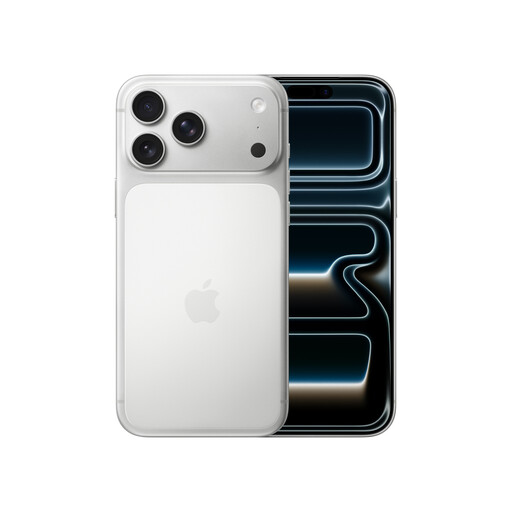
Why We Recommend This Product The iPhone 17 Pro Max combines the powerful A19 Pro Chip with an advanced camera system and a large, high-resolution display. The inclusion of 2 TB of storage specifically targets users with extremely high storage needs, such as videographers who record in 4K Dolby Vision. The vapour chamber cooling system supports sustained performance under load.
Pros
Who It's For This device is aimed at content creators, professional users within the Apple ecosystem, and those who value maximum storage and processing power and are willing to pay a premium price for it.
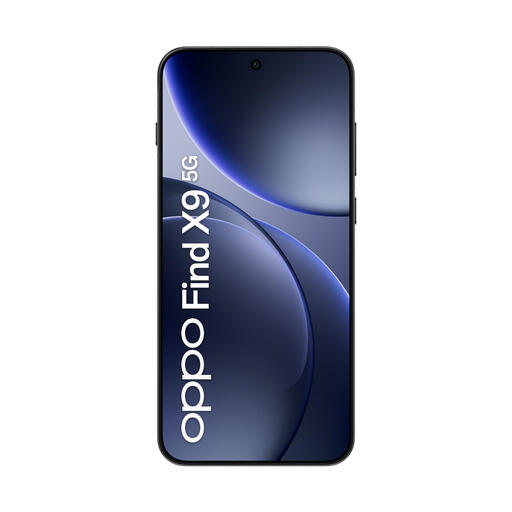
Why We Recommend This Product The OPPO Find X9 is positioned as an Android flagship with a clear focus on camera innovation and battery endurance. Its 120x Super Zoom is a unique selling point for photography enthusiasts. The exceptionally high 7,025 mAh battery capacity, based on silicon technology, promises above-average usage time.
Pros
Who It's For Ideal for users looking for a smartphone with long battery life who also appreciate experimental photography with extreme zoom capabilities. It is a strong option for Android users who need a device for intensive media consumption and creation.
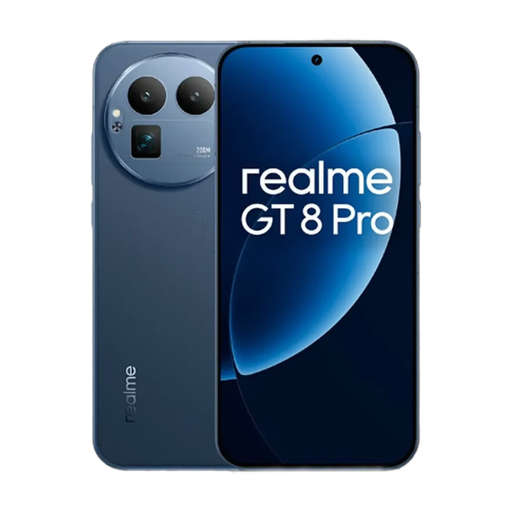
Why We Recommend This Product The realme GT 8 Pro is designed for maximum performance and charging efficiency. The Qualcomm Snapdragon 8 Elite Gen 5 processor and the 144 Hz OLED display make it an excellent choice for mobile gaming. The combination of a 7,000 mAh battery and 120W fast-charging technology minimises downtime.
Pros
Who It's For This device is perfect for mobile gamers and power users seeking a combination of top-tier performance, a high refresh rate, and extremely fast charging times. It is a powerful Android flagship for anyone who prioritises technical specifications.
While high-end smartphones offer comprehensive camera features, some users specifically look for devices with reduced functionality for greater privacy or focus. If you fall into this category, our selection of phones without a camera might be of interest to you.
1. What distinguishes a high-end smartphone from a mid-range device? The main difference lies in the internal components. High-end devices use the fastest available processors, more advanced camera systems with better sensors and lenses, higher-quality displays with faster refresh rates (e.g., 120 Hz vs. 60/90 Hz), and faster charging and storage technologies. They also often feature more premium build quality and additional features like IP68 certification for water and dust resistance.
2. How important is the refresh rate (Hz) on a smartphone display? A higher refresh rate (e.g., 120 Hz or 144 Hz) provides visibly smoother on-screen motion. This is noticeable when scrolling through websites, navigating the system, and especially in supported games. For users who game a lot or value an extremely responsive feel, a high refresh rate is a relevant factor.