For a high-fibre breakfast in your holiday apartment, start by comparing the fibre content per 100 g. Under the conditions for the claim ‘high fibre’ published in the Official Journal of the European Union, a food must contain at least 6 g per 100 g or 3 g per 100 kcal. Whether muesli, flakes or sweeter cereals are better suited to your breakfast plans also depends on sugar, ingredients, allergens and the pack size you need.
Who is this choice important for?
Self-caterers looking to increase their fibre intake
You’re planning several breakfasts in your holiday apartment and want a dry store-cupboard staple whose fibre content you can compare per 100 g. Wholegrains, nuts and seeds are possible ingredients; the German Nutrition Society lists them among high-fibre food groups. For any individual product, its nutritional information is what matters.
Families who prefer sweeter cereals
If you want a cinnamon-flavoured cereal on the breakfast table, it’s worth checking fibre and sugar side by side. Nestlé Cereals Germany lists both values per 100 g for CINI MINIS; a wholegrain claim alone doesn’t tell you everything about its nutritional composition.
Travellers with specific ingredient requirements
If someone in your group needs to avoid certain ingredients, check the actual pack you buy rather than relying on the product name. The German Food Federation explains how the main allergens are labelled in the ingredients list; older product information may no longer be accurate if the recipe has changed.
What should you look for when buying?
Start with the nutritional information per 100 g, then decide which combination suits your group’s tastes, breakfast routine and ingredient requirements. Oat or other flakes can make a simple base to build on. With sweeter cereals, it’s especially important to check fibre and sugar together.
| Criteria |
What to check |
Who it matters to |
| Fibre content |
Compare the value per 100 g. Under the published EU conditions, a ‘high fibre’ claim requires at least 6 g per 100 g or 3 g per 100 kcal. |
When I’m looking for a breakfast staple for several mornings, I want to be able to compare the fibre content across products. Around 36% of consumers put this criterion first. |
| Sugar and ingredients |
Check both sugar and fibre per 100 g, as well as the ingredients list; a wholegrain claim is no substitute for this comparison. |
I want a sweeter variety that suits my tastes, without overlooking its sugar content. Around 29% of consumers prioritise this balance. |
| Breakfast planning |
Check the pack size and preparation options for the breakfasts you’re planning; compare portions based on the amount you’ll actually use. |
In a holiday apartment, I want a breakfast staple that I can prepare quickly in the morning with the accompaniments available. This comes first for around 21% of consumers. |
| Allergens |
Check the ingredients, highlighted allergens and any ‘may contain’ warnings on the actual pack you buy. |
If someone travelling with me needs to avoid certain ingredients, checking the pack comes before taste and pack size. Around 14% of consumers prioritise this. |
Common comparison mistakes
-
Assuming ‘high fibre’ means ‘low sugar’
These describe different qualities. Nestlé Cereals Germany lists 6.4 g of fibre and 24 g of sugar per 100 g for CINI MINIS; the fibre figure alone doesn’t tell you how much sugar it contains.
Compare both values on the same per-100-g basis, then decide whether the nutritional composition suits the breakfast you have in mind.
-
Comparing only the suggested serving size
Suggested serving sizes can vary between products. The German Food Federation explains that nutritional information per 100 g gives you a common basis for comparison.
Compare the figures per 100 g first, then factor in the amount you plan to use in a bowl.
-
Judging allergens from the product name
You can’t tell from the name alone whether a muesli or cereal is suitable for someone with an allergy. Online information may also differ from the pack you buy if the recipe has changed.
Before serving, read the ingredients list, highlighted allergens and, where relevant, any ‘may contain’ warnings on the pack.
Relevant brands and product ranges
Seitenbacher
Müsli Ballaststoff & Frucht is a specific option to compare if you’re looking for a mix with wholegrain flakes, oat bran, kernels and almonds.
- Seitenbacher lists 12 g of fibre and 9 g of sugar per 100 g for this muesli.
- The listed ingredients include wheat, oats, spelt, barley, soya and almonds. Check the pack if you have any related requirements.
Nestlé / CINI MINIS
This cinnamon cereal offers a different flavour from a muesli with bran and seeds; its specific nutritional information is what matters when choosing.
- Nestlé Cereals Germany lists 6.4 g of fibre, 24 g of sugar and 33% wholegrain per 100 g or as an ingredient proportion.
- The product information lists wheat and barley, and says it may contain traces of milk and nuts. Nestlé advises checking the pack if the recipe changes.
Kellogg's
Kellogg's Germany lists a five-wholegrain muesli with fruit as a breakfast ingredient. It could work as a muesli base to combine with fruit and yoghurt.
- To see whether a particular pack suits your fibre and sugar preferences, check its nutritional information and ingredients.
familia
According to bio-familia AG, its muesli range includes various product groups, such as organic muesli, lower-sugar muesli and varieties with no added sugar.
- The different product groups give you a starting point for searching by ingredients and preferred flavour profile.
- To choose an individual variety, check its current pack for fibre, sugar and allergens; the product-group name is no substitute for this information.
Cereals and flakes at Joybuy
This selection includes oats and other flakes that you can combine to make a breakfast base, as well as crunchy mueslis. Check the nutritional information and ingredients for each pack rather than assuming the product name tells you how much fibre it contains.
 No image available
Jeden Tag coarse rolled oats, 500 g
A simple base of flakes if you’d like to put together your own breakfast in your holiday apartment. The pack contains 500 g; compare the nutritional information per 100 g and check the ingredients labelling if you have any allergies.
View at Joybuy
 No image available
Dr. Oetker Vitalis Less Sweet Pure crunchy muesli, 600 g
A crunchy muesli for travellers who prefer this texture to a simple base of flakes. The pack contains 600 g; ‘Less Sweet’ is no substitute for comparing sugar and fibre per 100 g. If you have any allergies, check the labelling on the pack you buy.
View at Joybuy
 No image available
Jeden Tag Less Sweet Crunchy Oat Muesli, 750 g
An oat-based crunchy muesli if you’re planning a ready-made mix for several breakfasts. The pack contains 750 g; check sugar and fibre per 100 g, as well as the ingredients, rather than treating ‘Less Sweet’ as nutritional information.
View at Joybuy
 No image available
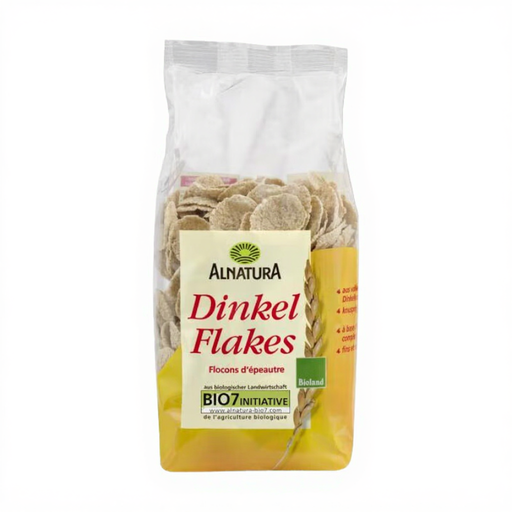
Alnatura organic spelt flakes, 200 g
Spelt flakes as a breakfast base to customise with your own additions. The pack contains 200 g; if you have requirements relating to allergens or possible traces, check the labelling on the actual pack you buy.
View at Joybuy
No image available
Alnatura organic millet flakes, 500 g
Millet flakes for a breakfast base you can put together yourself. The pack contains 500 g; once opened, allow space in the fridge and follow the storage and use instructions on the pack. If you have any allergies, check for ‘may contain’ warnings too.
View at Joybuy
Frequently asked questions
When can a cereal be described as high in fibre?
Under the conditions for this claim published in the Official Journal of the European Union, a food must contain at least 6 g of fibre per 100 g or 3 g per 100 kcal. When comparing two cereals, the figure per 100 g gives you a common starting point.
Is a ‘wholegrain’ claim enough to help me choose?
No, it doesn’t replace the fibre information for the specific product. If you’re specifically looking for a high-fibre cereal, check the nutritional information. For your other buying criteria, compare sugar and ingredients too.
How do I check cereals for people travelling with allergies?
Read the ingredients list and, where relevant, any ‘may contain’ warnings on the actual pack you buy. The German Food Federation explains that the main allergens must be identified in the ingredients list; don’t rely on the product name or older online information alone.


