If fibre is a priority at the weekend breakfast table, start by comparing the fibre per 100 g in muesli, flakes and crunchy cereals. Wholegrain ingredients, a crunchy texture and a high protein content each meet different needs. Check the sugar, ingredients and allergen information for the specific variety separately.
Which type of cereal is right for you?
Breakfast fans keeping an eye on fibre
If you’re putting together a bigger bowl for the weekend, compare the fibre per 100 g and look for wholegrain flakes or bran in the ingredients list. The amount in your bowl will depend on the portion you actually eat.
Families who care about flavour
A crunchy cereal could be a good fit for a family breakfast. Even if a variety contains wholegrain, it’s worth checking the sugar and allergen information separately.
Breakfast fans interested in protein
If you’re looking for a high-protein muesli, compare the protein and fibre per 100 g. Whether a particular blend is suitable for allergies or intolerances depends on its current ingredients and allergen labelling.
What should you look for when buying?
Start with the type of cereal that suits your breakfast, then compare the nutritional information on the same per-100 g basis. Crunchy cereal, flake muesli and high-protein muesli can all contain fibre, but their ingredients and other nutritional values differ.
| What to consider |
What to check |
Who should pay particular attention |
| Fibre and wholegrain |
Compare the fibre per 100 g and check which wholegrain flakes or bran are listed in the ingredients. |
I want my cereal to make a clear contribution of fibre to my breakfast bowl, rather than relying on the front of the pack alone. Around 42% of consumers would choose comparing fibre as their main reason for buying. |
| Sugar and ingredients |
Read the “of which sugars” value per 100 g and the ingredients list; consider the wholegrain content and sugar value separately. |
I’d consider a sweet muesli if I can see how much sugar it contains and where the sweetness comes from. Around 33% of consumers would put comparing sugar and ingredients first. |
| Flavour and texture |
Choose between flake muesli and crunchy cereal, then check the nutritional values for the specific variety. |
For a shared breakfast, I want the texture to suit everyone’s preferences without assuming that crunchiness tells me anything about the nutritional values. This would be the main priority for around 17% of consumers. |
| Protein and suitability |
Compare the protein per 100 g and check the current ingredients and allergen labelling if you have allergies or intolerances. |
I’m watching the protein content or need to avoid certain ingredients, so I check the specific variety particularly carefully. These needs would come first for around 8% of consumers. |
Common mistakes when buying cereal
-
Assuming “high in fibre” means “low in sugar”
These claims describe different nutritional values. Nestlé Cereals Deutschland lists 6.4 g of fibre and 24 g of sugar per 100 g for CINI MINIS.
Compare both values per 100 g for each variety, then consider the portion you actually plan to eat.
-
Reading only the front of the pack
Descriptions such as “naturally sweet” are no substitute for checking the nutritional information. The German Consumer Advice Centre points out that ingredients such as glucose syrup or fruit juice can also contribute to the sugar content.
Read the ingredients list alongside the “of which sugars” value and compare similar products per 100 g.
-
Relying on allergen information from an old pack
Recipes can change. The German CINI MINIS product page lists wheat and barley malt extract, and notes possible contact with milk and nuts.
If particular ingredients are a deciding factor for you, check the labelling on the current pack of the variety you’ve chosen.
Using brands as a guide
Seitenbacher
Seitenbacher offers a fruit-focused high-fibre muesli and a high-protein muesli to compare if both nutritional values matter to you.
- According to Seitenbacher, “Ballaststoff & Frucht” contains 12 g of fibre and 20 g of protein per 100 g; the manufacturer lists 8 g of fibre and 32 g of protein per 100 g for Protein Müsli #1.
- Ingredients and allergens vary between blends, so check the labelling on the variety you’re planning to buy.
Nestlé / CINI MINIS
CINI MINIS are a crunchy cereal for anyone who enjoys a sweet flavour and still wants to compare fibre and sugar separately.
- Nestlé Cereals Deutschland states that CINI MINIS contain 6.4 g of fibre per 100 g.
- The same manufacturer information lists 24 g of sugar per 100 g. For ingredients and allergens, always check the labelling on the current pack.
Kellogg's
Kellogg's German brand overview features different types of cereal, including Corn Flakes, Frosties and Choco Krispies.
- The range includes different shapes and flavours for the breakfast table.
- You can only tell whether a particular variety suits your fibre goals and ingredient requirements by checking its nutritional information and pack labelling.
Cereals and flakes at Joybuy
This selection includes oat and spelt flakes, crunchy muesli and crisp cereals to suit different weekend breakfast preferences. To find an option that meets your fibre goals, check the nutritional information for the specific pack. If you have allergies or intolerances, its ingredients labelling is important too.
 Image unavailable
Jeden Tag Coarse Rolled Oat Flakes, 500 g
Coarse rolled oats are a good choice if you like to build your breakfast bowl with your own ingredients.
Pack size: 500 g. Compare fibre and sugar using the current nutritional information.
View at Joybuy
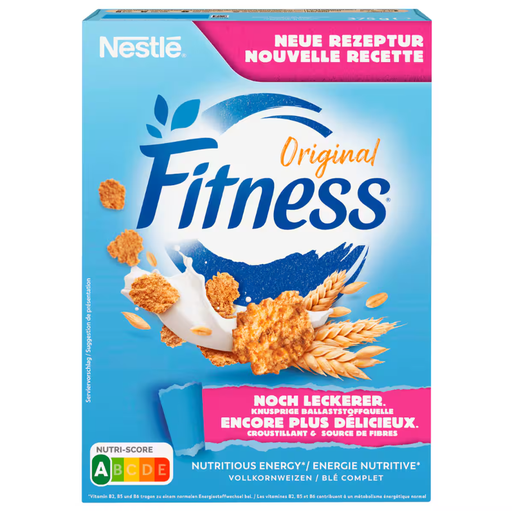 Image unavailable
Nestlé Fitness Original Whole Grain Cereal, 375 g
This wholegrain cereal is an option if you’d prefer a bowl of cereal to plain rolled oats.
Pack size: 375 g. Alongside the nutritional values, check the ingredients and allergens on the current pack.
View at Joybuy
 Image unavailable
Jeden Tag Less Sweet Crunchy Oat Muesli, 750 g
This crunchy muesli is a good fit if you like a crisp cereal mix in your breakfast bowl.
Pack size: 750 g. The description “Less Sweet” is no substitute for comparing the sugar content per 100 g.
View at Joybuy
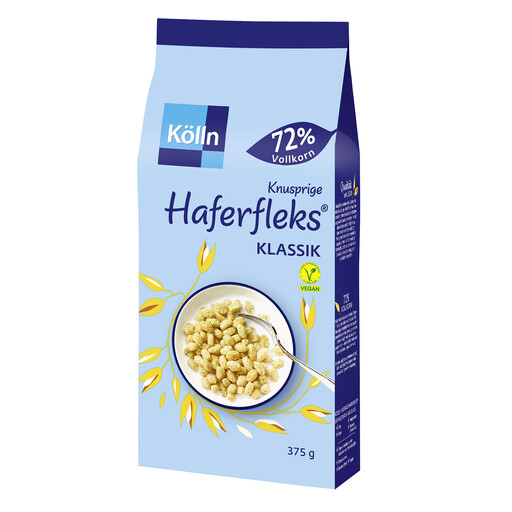 Image unavailable
Kölln Crunchy Classic Oat Cereal Pillows, 375 g
These crunchy oat pillows are an option if you prefer this style of cereal for your weekend breakfast.
Pack size: 375 g. Compare the fibre and sugar per 100 g before choosing a variety.
View at Joybuy
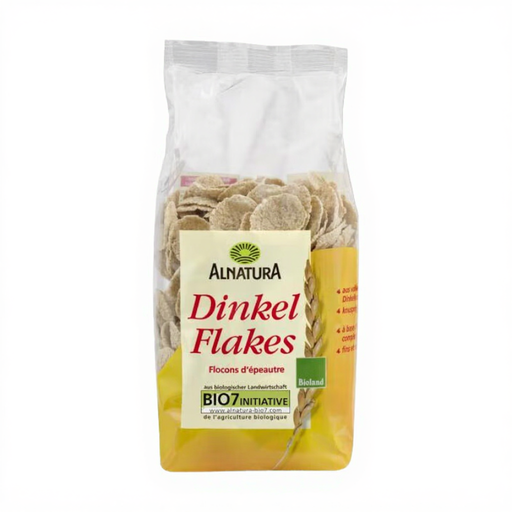 Image unavailable
Alnatura Organic Spelt Flakes, 200 g
Spelt flakes are worth considering if you’re looking for a different grain from oats for your breakfast bowl.
Pack size: 200 g. If allergens are important to your choice, check the labelling on the current pack particularly carefully.
View at Joybuy
Frequently asked questions
When can a cereal be described as “high in fibre”?
For a “high in fibre” nutrition claim, EU Regulation (EC) No 1924/2006 requires at least 6 g of fibre per 100 g or at least 3 g per 100 kcal. The claim describes the fibre content, not the sugar content or the breakfast as a whole.
Is the word “wholegrain” on the pack enough to make a choice?
No. Also compare the fibre and sugar per 100 g. For example, Nestlé Cereals Deutschland lists 6.4 g of fibre and 24 g of sugar per 100 g for CINI MINIS; the presence of wholegrain doesn’t replace this separate comparison of nutritional values.
What changes if I add milk, yoghurt or fruit?
Milk, yoghurt or fruit change the nutritional make-up of the whole breakfast bowl. The nutritional information on the cereal pack still refers to the cereal itself, so compare products on the same per-100 g basis first.
What should I look out for if I have allergies or intolerances?
Always check the current ingredients and allergen labelling for the specific variety. Don’t rely on the product name or an old pack, as recipes can change.


