Shoppers focused on fibre
You want to compare a specific fibre value for your weekend breakfast rather than relying on the front of the pack. The per-100 g figure makes different muesli mixes easy to compare.


If you’re looking for a high-fibre muesli for your weekend breakfast, start by comparing the fibre per 100 g. The Official Journal of the European Union sets the threshold for this claim at least 6 g per 100 g or 3 g per 100 kcal. Then check the sugar content, ingredients and allergens to decide whether a ready-made mix or a bowl you put together yourself suits you best.
You want to compare a specific fibre value for your weekend breakfast rather than relying on the front of the pack. The per-100 g figure makes different muesli mixes easy to compare.
You prefer a simple base and want to add your own fruit, yoghurt or other ingredients. In that case, the sugar content and ingredient order matter just as much as the fibre value.
You’re after fruit, nuts or a crunchy mix, but also need to watch out for certain ingredients. Compare the specific recipe and check the allergen and ‘may contain’ information if needed.
Start with the fibre value on the specific pack. Whether you then choose a fruity mix, a simple flakes base or crunchy muesli depends on the sweetness, ingredients and texture you prefer.
| Criteria | What to check when buying | Who it matters most to |
|---|---|---|
| Fibre content | Compare the fibre per 100 g. For a ‘high fibre’ claim, the Official Journal of the European Union sets the threshold at least 6 g per 100 g or 3 g per 100 kcal. | I want to choose a muesli mix based on its stated fibre value, not its name. This is the top priority for around 42% of shoppers. |
| Sweetness and ingredients | Compare the sugar per 100 g and read the first ingredients. According to the German Food Federation, ingredients are listed in descending order by weight. | If I’m adding my own fruit, I want to know how much sweetness is already in the mix. This is a priority for around 33% of shoppers. |
| Allergens and texture | Read the ingredients and allergen and ‘may contain’ information. For crunchy muesli, check the sugar, fat and fibre in the specific recipe. | A crunchy or nutty mix is only an option for me if its ingredients suit my needs. Around 25% of shoppers give this the most weight. |
Muesli can contain sugar from dried fruit, even when no sugar has been added. Kölln describes the sweetness of its Fruit Oat Muesli with No Added Sugar as coming from the fruit it contains.
Compare the sugar per 100 g and decide whether you want the fruit sweetness already in the mix or would rather add your own fruit.
The type of grain and the texture don’t replace a stated fibre value. H. & J. Brüggen KG also describes crunchy muesli recipes in which cereal ingredients are mixed with syrup and baked.
For the specific product, compare the fibre, sugar and fat per 100 g rather than assuming ‘wholegrain’ or ‘crunchy’ tells you about its nutritional values.
The mueslis from Seitenbacher and Alnatura, both of which state 12 g of fibre per 100 g, also contain ingredients such as soya or cereals containing gluten. Depending on the product, nuts and related ‘may contain’ information may also be relevant.
Check the ingredients, highlighted allergens and ‘may contain’ information on every pack, especially if you need to avoid certain ingredients.
The examples below refer to specific products or product ranges. Always check the information on the pack you’re considering.
The brand’s Muesli Fibre & Fruit is a mix with a stated fibre value.
Alongside basic mixes, Alnatura offers a protein muesli with stated fibre and protein values.
Kölln offers a range of fruity oat mueslis.
The 5-Grain Muesli is a base mix for a breakfast bowl you put together yourself.
Familia’s muesli ranges include organic, crunchy and protein options.
H. & J. Brüggen KG describes traditional and crunchy muesli recipes for retailer brands, among others.
Here you’ll find ready-made muesli mixes and individual flakes for a bowl you put together yourself. If a stated high fibre content matters to you, compare the value on the current pack. With flakes, you’ll need to add any other ingredients you want.
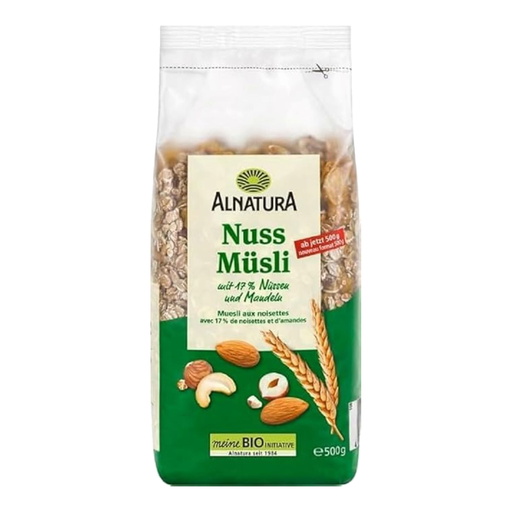 No image available
This ready-made nut muesli is a good choice if you’d rather not put your breakfast bowl together from individual flakes. Check the ingredients and allergen information on the pack because it contains nuts.
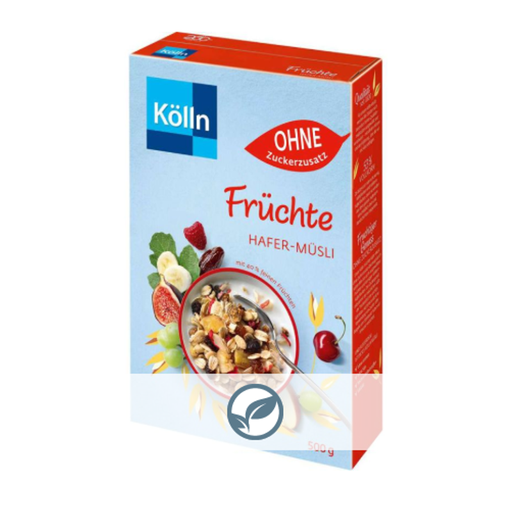 No image available
This fruit muesli could suit you if you want fruit already included in the mix. ‘No added sugar’ doesn’t mean sugar-free, so compare the sugar content on the pack.
 No image available
These oats make a good base if you want to put together your own weekend muesli with other ingredients. They’re not a ready-made muesli mix, so check the allergen information if needed.
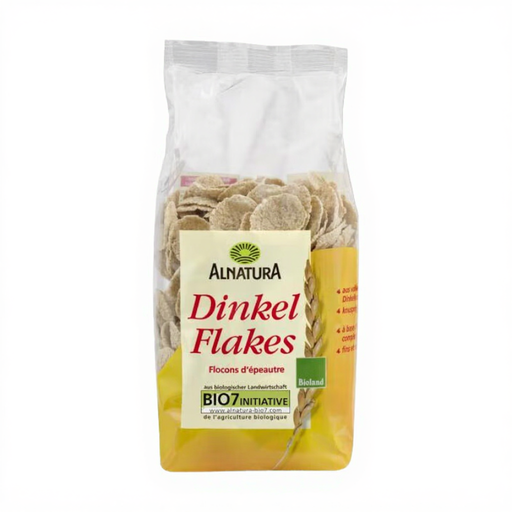 No image available
These flakes work as an ingredient in a muesli bowl you put together yourself, rather than as a ready-made mix. The allergen information in the product description is contradictory. If you need to avoid certain ingredients, check the current pack before buying.
Compare the stated fibre value. For a ‘high fibre’ claim, the Official Journal of the European Union sets the threshold at least 6 g of fibre per 100 g or 3 g per 100 kcal. It’s important to use the same basis when comparing different mueslis.
No. Sugar can still come from ingredients such as dried fruit. For its Fruit Oat Muesli with No Added Sugar, Kölln points to the sweetness of the fruit it contains. The sugar per 100 g shows you the amount in that particular product.
Yes, if you need to avoid certain ingredients, the fibre value alone isn’t enough to help you choose. Check the ingredients, highlighted allergens and ‘may contain’ information on the current pack.
You can’t tell from the description ‘high fibre’ alone. The German Nutrition Society recommends at least 30 g of fibre a day for adults. How much a bowl provides depends on the product’s fibre value and the amount you eat.