What to look for when buying
Start by comparing dry mueslis using the information per 100 g. Then calculate the figures for your own portion and factor in anything you add to your muesli.
| What to check |
What to look for when buying |
Who it matters most to |
| Fibre |
Compare the fibre content per 100 g and check which wholegrain flakes, bran or seeds are included. |
If you want to get more fibre from your muesli, look for a stated figure rather than relying on a ‘wholegrain’ label alone. Around 42% of consumers put this at the top of their list when buying muesli. |
| Carbohydrates and portion size |
Use the carbohydrate figure per 100 g to calculate the amount you have weighed out, and include milk, yoghurt, plant-based drinks or toppings. |
To calculate the carbohydrates in your breakfast, you need to know how much you actually eat. This is particularly relevant if you have insulin-dependent diabetes. Portion planning is the main priority for around 33% of consumers. |
| Sugar and sweeteners |
Compare ‘of which sugars’ per 100 g and check the ingredients list for dried fruit, sugar and syrup. |
You want a fruity taste but also want to know whether the sweetness comes from fruit or added ingredients. For around 25% of consumers, this transparency is their most important consideration when buying. |
Muesli and flakes on Joybuy
Here you’ll find ready-made crunchy mueslis, as well as oat and spelt flakes for making your own mix. Whichever you choose, it’s worth comparing the nutritional information for your portion. Flakes are not a ready-made muesli mix.
 No image available
Jeden Tag Less Sweet Crunchy Oat Muesli, 750 g
A ready-made crunchy muesli for anyone who wants to compare fibre and carbohydrates using the figures provided.
The product description lists 8 g of fibre, 65 g of carbohydrates and 12 g of sugar per 100 g. The ingredients also include sugar and glucose-fructose syrup.
Contains gluten-containing cereals; may contain traces of milk, nuts and sesame.
View on Joybuy
 No image available
Jeden Tag Coarse Oat Flakes, 500 g
Oat flakes for putting together your own breakfast, rather than a ready-made muesli.
The product description lists 100% wholegrain oats, as well as 10 g of fibre, 59 g of carbohydrates and 0.7 g of sugar per 100 g. Any additional ingredients will change the nutritional values of the whole meal.
According to the product information, contains gluten; may contain traces of mustard and lupin.
View on Joybuy
 No image available
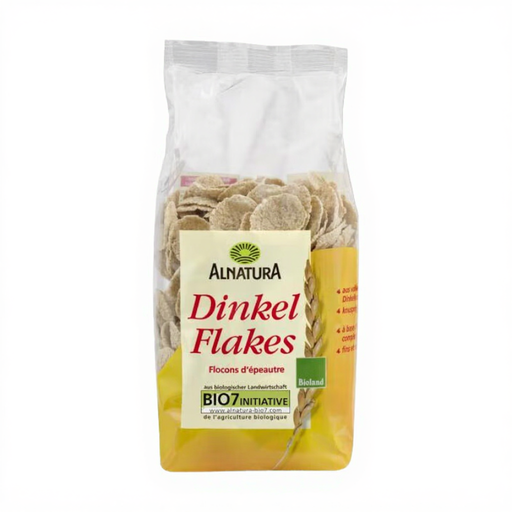
Alnatura Organic Spelt Flakes, 200 g
Flakes to use as an ingredient in your own muesli, rather than a ready-made mix.
The product description lists 7.8 g of fibre, 69 g of carbohydrates and 11 g of sugar per 100 g, and includes beet sugar in the ingredients list.
Contains gluten-containing cereals; may contain traces of soya, milk, almonds, nuts and sesame.
View on Joybuy
 No image available
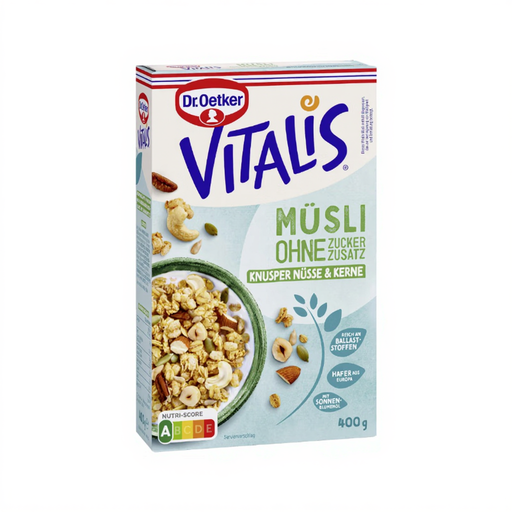
Dr. Oetker Vitalis No Added Sugar Crunchy Nut Muesli, 400 g
A crunchy nut muesli for anyone looking for an option with no added sugar and checking the nutritional information for their portion.
The product description lists wholegrain oat flakes, 13% nuts and 6% seeds, as well as 50 g of carbohydrates and 2 g of sugar per 100 g. If fibre content is important to your choice, check the exact figure on the pack.
Cashews and hazelnuts are listed; other nuts, milk and soya may also be present.
View on Joybuy
 No image available
Kölln Gluten-Free Fine Oat Flakes, 500 g
Oat flakes labelled gluten-free for making your own muesli; they are not a ready-made muesli mix.
The product description lists 100% wholegrain oats, 56 g of carbohydrates and 1.2 g of sugar per 100 g. For a fibre comparison, check the exact figure on the pack. Gluten-free does not mean low in carbohydrates.
View on Joybuy
Frequently asked questions
What does ‘high in fibre’ mean for muesli?
EU Regulation (EC) No 1924/2006 sets a threshold of at least 6 g of fibre per 100 g or at least 3 g per 100 kcal for this claim. When choosing muesli for diabetes, you should also check the carbohydrates, sugar and your portion size.
Is muesli with no added sugar automatically a good choice for diabetes?
No. Even without added sugar, dried fruit can provide sugar and grains can provide carbohydrates. For example, REWE lists 22 g of sugar and 64 g of carbohydrates per 100 g for Kölln Fruit Oat Muesli with No Added Sugar.
How should I account for muesli if I have insulin-dependent diabetes?
The amount of carbohydrates in the meal you actually eat is what matters for your individual calculation, including any dairy product, plant-based drink or toppings. diabetesDE says that calculating carbohydrates is relevant to insulin dosing; a general product figure is no substitute for your personal treatment plan.
Should I increase my fibre intake significantly all at once?
It’s best to increase your intake gradually. diabetesDE points out that a sudden increase can cause bloating and stomach pain, and recommends drinking plenty of fluids.
Is gluten-free muesli also lower in carbohydrates?
You can’t tell the carbohydrate content from a ‘gluten-free’ label. For Kölln gluten-free Chocolate Oat Muesli, REWE lists 61 g of carbohydrates and 17 g of sugar per 100 g. For other varieties, compare their own nutritional information.


