Parents short on time at breakfast
If there’s hardly any time to prepare breakfast in the morning, flakes that are easy to stir in are worth considering. Kölln describes its instant oats as dissolving straight away in hot and cold liquids.


When you need to get breakfast ready quickly with your baby, start by comparing the fibre per 100 g in different oats, then choose the type of flakes to suit the consistency you want. Instant and melt-in-the-mouth flakes are easy to stir in, fine flakes make a creamy porridge, and jumbo flakes retain more bite. If you need to check for gluten or allergens, the information on the specific pack is what matters.
If there’s hardly any time to prepare breakfast in the morning, flakes that are easy to stir in are worth considering. Kölln describes its instant oats as dissolving straight away in hot and cold liquids.
If you choose oat products based on their nutritional values, compare the fibre per 100 g in the specific varieties. The German Nutrition Society recommends at least 30 g of fibre a day for adults, as well as for pregnant and breastfeeding women.
If a strictly gluten-free diet is required or you need to check for other allergens, the ingredients, may-contain warnings and current labelling on each pack are what count. For example, an oat product described by EDEKA warns that it may contain traces of other cereals containing gluten.
For a fuss-free breakfast, start by checking the fibre per 100 g and the type of flakes. Check the specific pack for any particular gluten or allergen requirements.
| Criteria | What to check | Who it matters to |
|---|---|---|
| Fibre | Compare the fibre per 100 g and the ingredients list for the specific variety. | I want to assess the fibre content of my breakfast using the information on the pack, rather than relying on the brand name. Around 36% of consumers would put this comparison first. |
| Preparation | Check the type of flakes and whether they can be used in hot or cold liquids. | When there’s little time in the morning, I need an oat base that doesn’t need a long soaking time. This would be the main priority for around 29% of consumers. |
| Labelling | Read the allergen and may-contain information; check for an explicit gluten-free label if needed. | If I need to follow a strictly gluten-free diet or avoid other allergens, the labelling on the right pack determines my choice. Around 21% of consumers would put this check first. |
| Texture | Choose between smooth instant or melt-in-the-mouth flakes, fine flakes and jumbo flakes. | I want to decide whether my porridge should be smooth and creamy or have more bite, as well as what else I’ll use the flakes for. This would be the main consideration for around 14% of consumers. |
A stated fibre content describes a nutritional value; it doesn’t guarantee that you’ll feel less tired while juggling family life.
Compare fibre per 100 g and, for mixed products, check the ingredients and sugar content too. Choose the type of flakes that fits the way you prepare breakfast.
Oat products may carry warnings about traces of other cereals containing gluten. According to the German Coeliac Society, people with coeliac disease need to follow a strictly gluten-free diet.
Every time you buy, check the current pack for a suitable gluten-free label and any may-contain warnings.
Oat bran is a different ingredient from oat flakes and changes the texture of a dish. Your individual tolerance also matters if you change the amount you use.
If you use bran as an addition, follow the preparation and fluid-intake guidance on the specific pack.
EDEKA notes that product information shown online may differ from what’s printed on the packaging. This difference can be particularly important when checking allergens.
Check the ingredients, may-contain warnings and relevant labelling on the pack you’re actually buying.
Oats in different forms, including fine and instant flakes.
Oat bran as a possible addition to porridge or other dishes.
Manufacturer of cereals and flakes, including products for supermarket own brands.
Organic oat products, including extra-fine flakes for a smooth texture.
Supermarket own brand offering fine organic oats as a base for porridge.
Oats in different forms, including fine and extra-fine varieties.
This selection includes instant, fine and jumbo oats for different porridge textures, as well as oat bran to use as an addition. It also includes a variety labelled gluten-free; if this matters to you, check the current labelling on the pack.
 No image available
For a breakfast where the oats are easy to stir in. The pack contains 250 g of instant melt-in-the-mouth oats.
If you need to follow a gluten-free diet, check the labelling on the current pack.
 No image available
Finely rolled flakes for anyone who prefers fine oats as a base for porridge. The pack contains 500 g.
The product information lists gluten from oats as an allergen. If you follow a strictly gluten-free diet, check the labelling on the current pack.
 No image available
For porridge or muesli when you want flakes with more bite. The pack contains 500 g.
The product information lists gluten and possible traces of mustard and lupin. If you have any of these allergies, check the labelling on the current pack.
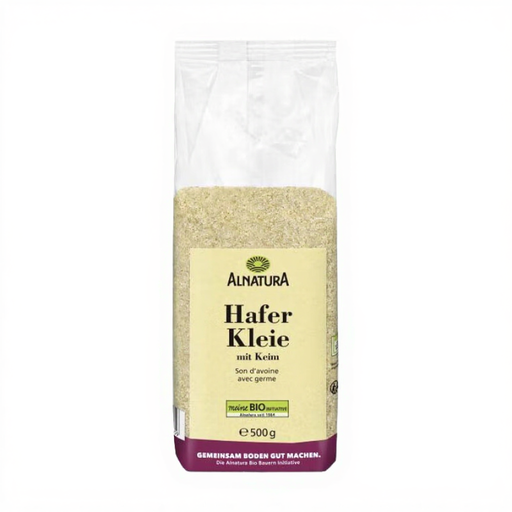 No image available
Oat bran to add to porridge or other dishes, rather than use as a like-for-like alternative to oat flakes. The pack contains 500 g.
The ingredients also include wheat bran, and gluten is listed as an ingredient. If you have specific dietary requirements, check the current pack.
 No image available
A variety of fine oats labelled gluten-free, suitable for porridge. The pack contains 500 g.
If you have coeliac disease, check the gluten-free labelling on the current pack. To compare fibre content, use the figure per 100 g shown there.
Instant or melt-in-the-mouth flakes are an obvious choice if you want flakes that are easy to stir in and give a smooth consistency. Kölln describes its instant oats as dissolving straight away in hot and cold liquids; for more bite, try jumbo flakes.
No. The fact that a product contains oats doesn’t in itself mean it’s suitable for a strictly gluten-free diet. The German Coeliac Society stresses that people with coeliac disease need to follow a strictly gluten-free diet, so check the gluten-free labelling and may-contain warnings on the specific pack.
Store oats in a dry place away from heat, as recommended by Kölln. The best-before date isn’t an automatic use-by date; if it has passed, assess the product by its condition and follow the information on the pack.