
Lieferung heute & morgen

Qualitätsgarantie

Willkommens-Angebote freischalten: KOSTENLOSE Lieferung | Bis zu 80 % RABATT | Kostenlose 30-Tage-JoyPlus-Testphase
App herunterladen
The demand for cordless freedom is constantly growing. Whether for gardening, on a camping trip, or during the daily urban commute, high-performance battery-powered devices promise flexibility and independence from the power grid. However, the market is filled with products whose marketing promises often outshine their real-world performance. To avoid bad investments, it's crucial to separate the wheat from the chaff. This guide will help you recognise the typical pitfalls and find devices that truly meet your needs.
Before deciding on a product, you should familiarise yourself with the common problems that often only become apparent after the purchase.
To make an informed decision, focus on objective, technical features rather than marketing slogans.
A battery's capacity is often stated in milliampere-hours (mAh). However, a more meaningful value is the energy in watt-hours (Wh), as it considers both capacity (in ampere-hours, Ah) and voltage (in volts, V). The formula is: Wh = Ah × V. A battery with a higher voltage can deliver more power at the same capacity, which is particularly relevant for energy-intensive battery-powered garden tools or a foldable e-bike. Therefore, look for the watt-hour specification or calculate it yourself to fairly compare the energy density of different models.
The type of charging port determines everyday practicality. A universal USB-C port allows you to charge with the same cable you use for your mobile electronics like smartphones or laptops. This reduces the number of chargers you need and increases flexibility on the go. For devices within a system, as with many power tools, battery compatibility is crucial. Some manufacturers offer cross-brand battery alliances, which allow one battery to be used for devices from different brands. This is a significant advantage over closed systems.
The longevity of a device is directly linked to the materials used. A housing made of aluminium alloy is more durable than one made of simple plastic. For outdoor gear like a rechargeable flashlight, the IP protection rating is an indispensable feature. A rating like IPX8 indicates that the device is protected against continuous immersion in water—a critical factor for use in adverse weather conditions or as part of an emergency kit.
Instead of making a one-size-fits-all recommendation, we have identified products tailored to specific use cases and requirements.
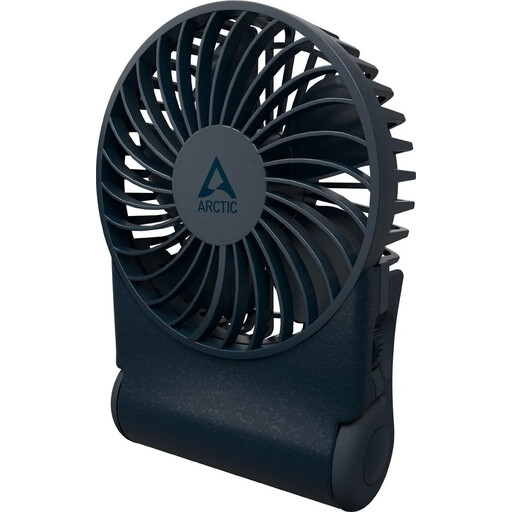
Why This Fits Their Persona: Ideal for commuters and travellers who need reliable, long-lasting cooling on the go. Thanks to its compact design and low weight, this portable fan fits into any bag.
Instead of vague promises, the manufacturer provides a concrete battery life of up to 77 hours with a 5000 mAh capacity. It charges via a standardised USB-C port, making proprietary charging cables obsolete.
Very long battery life; stepless speed control from 600 to 4300 RPM for precise control; tiltable fan head (0–260°).
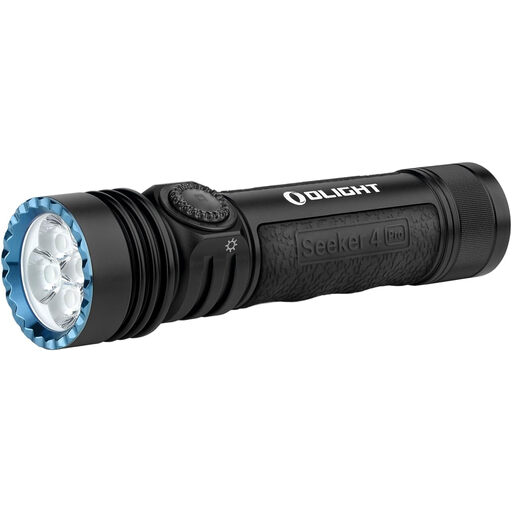
Why This Fits Their Persona: Designed for demanding outdoor activities and as a reliable light source in an emergency kit. Its robust construction and high light output make it a dependable tool in the dark.
Performance is backed by concrete figures: 4,600 lumens maximum output and a 260-metre beam distance. The aluminium alloy body and IPX8 waterproof rating are verifiable quality features. It also offers dual charging options (USB-C and magnetic), reducing dependency on a single system.
Extremely high light output; robust and waterproof housing; versatile holster with integrated charging function.
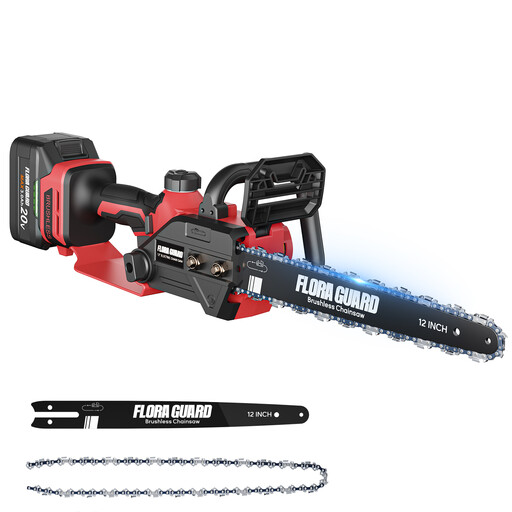
Why This Fits Their Persona: For home and garden owners who need a powerful tool for tree pruning and woodwork without being tied down by cables. The equipment is designed for extended work sessions.
This set bypasses the cost trap by including two 4000 mAh batteries and a charger right out of the box. A particular advantage is the explicitly stated compatibility with Makita 20V batteries, which eliminates vendor lock-in and allows integration into an existing tool system.
Powerful 1200W brushless motor; two batteries included in the package; automatic chain lubrication for reduced wear.
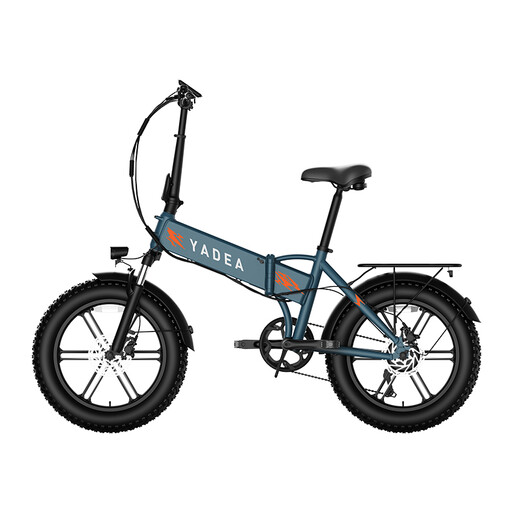
Why This Fits Their Persona: Perfect for commuters and recreational riders looking for a versatile, portable, and all-terrain e-bike. The foldable design makes it easy to take on public transport or store in an apartment.
The e-bike features a frame made of high-strength aluminium alloy and standard components like a Shimano 7-speed gear system and hydraulic disc brakes. This ensures quality and simplifies maintenance and repairs. The range is clearly stated as 90–120 km.
Fully foldable design; long range for extended tours; 20x4.0-inch tyres and suspension fork for comfort on various terrains.
We have compiled a complete, up-to-date list of products that fully meet these strict selection criteria and German safety regulations.
A battery's lifespan is determined not just by a single charge, but by the number of charge cycles it can endure before its capacity noticeably degrades. High-quality lithium-ion batteries typically last for several hundred charge cycles. To maximise lifespan, batteries should not be fully discharged and are ideally kept between a 20% and 80% state of charge. Store them in a cool, dry place.
In most cases, batteries are manufacturer-specific and not interchangeable. However, there are exceptions: some manufacturers have formed alliances (e.g., the "Power for All Alliance") to enable cross-brand compatibility. Products like the featured Flora Guard chainsaw, which are compatible with batteries from a widespread system like Makita, offer high flexibility and are an exception to the rule. Always check this before purchasing.
The IP (Ingress Protection) rating indicates how well a device is protected against the ingress of foreign objects (first digit) and water (second digit). For outdoor gear, the second digit is particularly important. IPX4 means protection against splashing water, while IPX7 provides protection against temporary immersion, and IPX8 offers protection against continuous immersion under conditions specified by the manufacturer. For devices that need to function reliably in all weather, a high IP rating is essential.