
Lieferung heute & morgen

Qualitätsgarantie

Willkommens-Angebote freischalten: KOSTENLOSE Lieferung | Bis zu 80 % RABATT | Kostenlose 30-Tage-JoyPlus-Testphase
App herunterladen
The freedom of cordless technology is undeniably convenient, but the search for truly high-performance battery-powered devices can quickly become frustrating. All too often, promising products turn out to be poor investments, failing to deliver on performance expectations or suffering from unexpectedly rapid battery degradation. To help you make a confident choice, we'll highlight the most common pitfalls and reveal the technical specifications that truly matter.
Manufacturers often advertise with impressive numbers, but not all specifications are relevant for real-world use. By understanding these three typical marketing traps, you can make more informed decisions.
To separate the wheat from the chaff, you should check three core technical aspects before buying. These provide a reliable indication of a device's true performance and longevity.
A battery's performance is determined by two key values:
For example, a single CR2 lithium battery for a camera offers high energy density in a compact size, whereas the battery for a folding e-bike fat bike must be designed for high capacity and voltage to deliver range and power.
Especially for devices subject to high mechanical stress, like a small cordless chainsaw, the motor type is a key quality indicator.
The robustness of a device determines whether it can withstand the rigours of daily use or demanding outdoor conditions. Look for high-quality materials like aluminium alloys in a powerful LED flashlight or a bike pump with a pressure gauge. For outdoor gadgets, the IP rating is also crucial. It indicates how well the housing is protected against the ingress of dust (first digit) and water (second digit).
Instead of making generic recommendations, we have selected products for specific user groups that meet the criteria mentioned above.
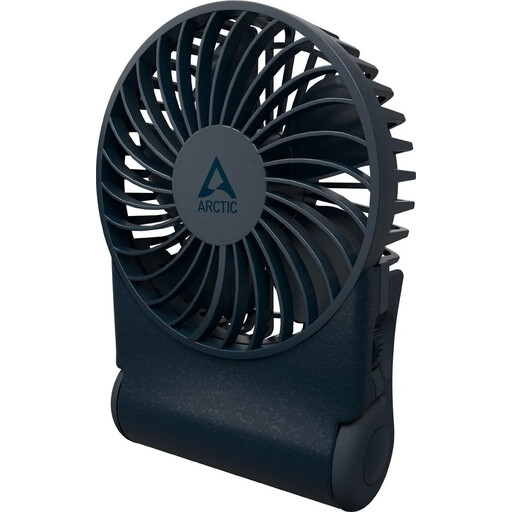
Why it's a great fit: Ideal for the office, travel, or hot summer days at home. This fan combines portability with long-lasting performance that extends beyond a full workday or a long train journey.
The manufacturer specifies a runtime of up to 77 hours, supported by a 5000 mAh battery. This is a realistic figure for low settings, sidestepping the trap of unrealistic advertising claims.
Infinitely variable speed control from 600 to 4300 RPM and a 260-degree tilting head for precise airflow control.
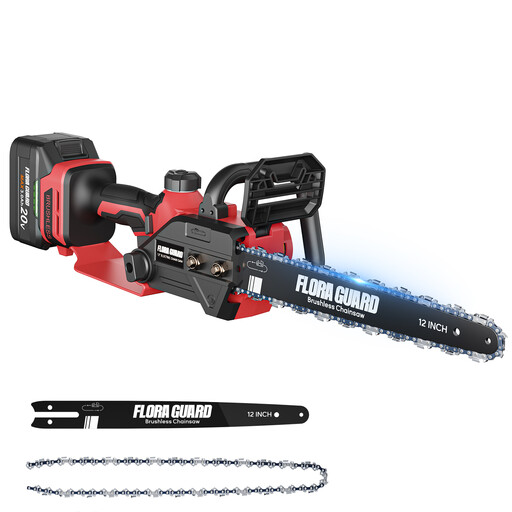
Why it's a great fit: For demanding cutting jobs in the garden where power and endurance are needed without a cord. Perfect for pruning trees or cutting firewood.
Equipped with a 1200W brushless motor that offers higher efficiency and a longer lifespan than conventional motors. It also includes two 4000 mAh batteries, eliminating hidden follow-up costs.
High chain speed (49 ft/s), tool-free chain tensioning, and an automatic lubrication system for easy maintenance and consistent performance.
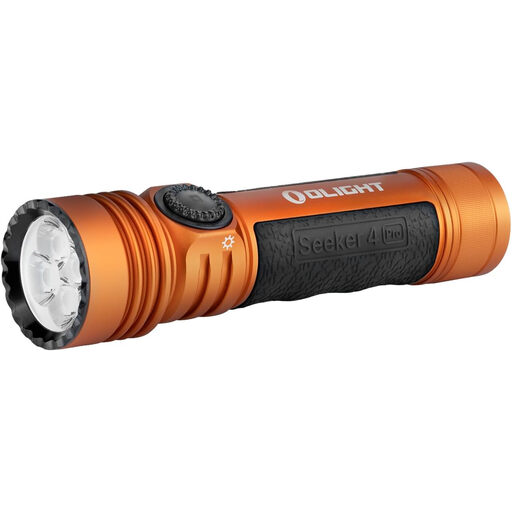
Why it's a great fit: An indispensable tool for camping, night hiking, or emergency situations. This flashlight offers extreme brightness and robustness in a compact form factor.
The aluminium alloy body and IPX8 waterproof rating guarantee durability in harsh conditions, unlike many budget alternatives with inadequate protection and fragile plastic parts.
A maximum output of 4,600 lumens with a 260-metre throw. The versatile holster provides quick access and doubles as a USB-C charging dock.
The right power source is the foundation of any high-performance cordless device. We've curated a current selection of batteries and rechargeable cells that meet strict criteria for performance and safety.
Lithium-ion batteries, used in most modern devices, should be stored in a cool, dry place. For long-term storage (several months), a charge level of around 40–60% is ideal. Avoid leaving batteries fully discharged or fully charged for extended periods, as this can stress the cell chemistry and reduce overall capacity.
In most cases, this is not recommended. Many manufacturers use proprietary connectors, electronics, and housing shapes to restrict compatibility to their own products. Using non-certified third-party batteries can lead to performance issues, device damage, or safety risks, and often voids the warranty.
The IP (Ingress Protection) rating classifies a housing's protection against the intrusion of foreign objects and water. The first digit (0-6) represents protection against solids like dust. The second digit (0-9) describes protection against water. An "X" means no testing was conducted for that category. IPX8, as seen on the Olight flashlight, means the device is protected against continuous submersion in water under conditions specified by the manufacturer.