When choosing a bar for your health food shop, don’t rely on the words ‘High Protein’ alone. Compare the protein per bar and per 100 g, along with the sugar, ingredients and allergens. If organic and plant-based ingredients are your priority, you may choose a different bar from someone mainly looking for a high protein content per 100 g. Either way, check the details of the specific variety.
Which bar might suit you?
Sporty snackers who prefer organic options
If you’re looking for a plant-based organic bar to take with you, check its organic certification, ingredients and nutritional values separately. The RAWBITE example described by REWE contains plant-based ingredients as well as sugars from dried fruit and date juice concentrate.
Shoppers focused on protein content
If you’re planning to have a bar around a workout or as part of an active day, compare the protein per serving and per 100 g. Some varieties contain milk, soya or collagen protein, as well as sweeteners.
Shoppers keeping an eye on sugar and ingredients
If you need to consider sugar, sugar alcohols, sweeteners or particular allergens, check the information on the specific pack. Protein content and organic certification won’t answer those questions.
What should you look for when buying?
First, decide whether organic certification and plant-based ingredients are essential for you. Then compare the protein content and serving size. Sugar, sweeteners and allergens may help narrow down your options further.
| Criteria |
What to check |
Who it matters to |
| Organic and plant-based ingredients |
If a bar is sold as organic, check for the organic logo and the organic inspection body. If you want a plant-based option, check the ingredients list too. |
If I’m shopping specifically at a health food shop, the organic certification and ingredients need to meet my requirements. This is likely to be the main concern for around 30% of consumers. |
| Protein per bar |
Compare the protein per serving and per 100 g, and check the weight of the individual bar. |
For a snack to fit into my active day, I want to know how much protein the serving actually contains. This may be the main priority for around 40% of consumers. |
| Sugar and suitability |
Read the sugar and ingredients information, as well as the allergen and may-contain warnings on the specific pack. |
If I need to avoid sugar alcohols or check ingredients because of an allergy, the wording on the front of the pack isn’t enough. Around 30% of consumers are likely to want to check these points first. |
Common pitfalls when comparing bars
-
Assuming ‘High Protein’ means the serving is right for you
The wording alone doesn’t tell you how much protein is in each bar. Different serving sizes can affect the comparison.
Check the protein per bar and per 100 g, and think about the snack as part of your overall diet.
-
Assuming organic means low sugar or allergen-free
The RAWBITE Protein Crunchy Almond described by REWE contains 30 g of sugar per 100 g and almonds. Organic certification and nutritional information answer different questions.
As well as checking the organic certification, look at the sugar content, ingredients list and any may-contain warnings.
-
Overlooking sugar alcohols
ALDI SÜD lists 19 g of polyols per 100 g for its nougat high-protein bar and warns that excessive consumption may have a laxative effect.
Read the ingredients list and follow the consumption advice on the relevant pack.
-
Thinking you need a protein bar
A bar can be a convenient snack, but it isn’t automatically essential for a sports diet. The Verbraucherzentrale notes that everyday foods can also contribute to your protein intake.
Choose one based on how useful it is for your day-to-day routine, and compare the serving size, protein and ingredients.
Brands and product ranges to consider
RAWBITE
The Protein Crunchy Almond variety described by REWE is an organic, vegan option in bar form.
- REWE lists 22 g of protein per 100 g for this variety and labels it gluten-free and lactose-free.
- According to REWE, the variety contains 30 g of sugar per 100 g and almonds; it may also contain traces of other nuts and peanuts. These details don’t apply to all RAWBITE bars.
MAX BALANCE
EDEKA stocks products under this brand, including the White Chocolate-Vanilla protein bar.
- EDEKA lists 40 g of protein per 100 g for this variety.
- The listed ingredients include milk and soya protein, collagen hydrolysate, maltitol and sucralose. Check the information on the specific pack.
ALDI SPORTS
The range includes a nougat high-protein bar, sold in a pack of three 45 g bars.
- ALDI SÜD lists 36 g of protein and 14 g of fibre per 100 g for this bar.
- ALDI SÜD lists 19 g of polyols per 100 g and includes a warning about excessive consumption. According to the retailer, nutritional values may vary by supplier.
REWE PWR
In September 2026, REWE introduced its own-label range, which includes six protein bars.
- REWE positions the bars as snacks for sport, work and life on the go.
- This positioning doesn’t tell you about the protein content, ingredients or allergens in any particular variety; check the information on its pack.
Bars on Joybuy
This Joybuy selection features protein bars for shoppers who want to compare protein content and ingredients. If you’re specifically looking for an organic cereal bar, check the organic certification and grain ingredients of the product in question.
 No image available
Premier Protein 50% Bar Chocolate Caramel, 16 × 40 g according to the product title
When choosing a protein bar to take with you, the protein content per serving and per 100 g is key. Check the pack contents and serving values on the product itself, as the available information gives different pack sizes.
Milk and soya are listed as ingredients, along with collagen and sweeteners. According to the product information, excessive consumption may have a laxative effect.
View on Joybuy
 No image available
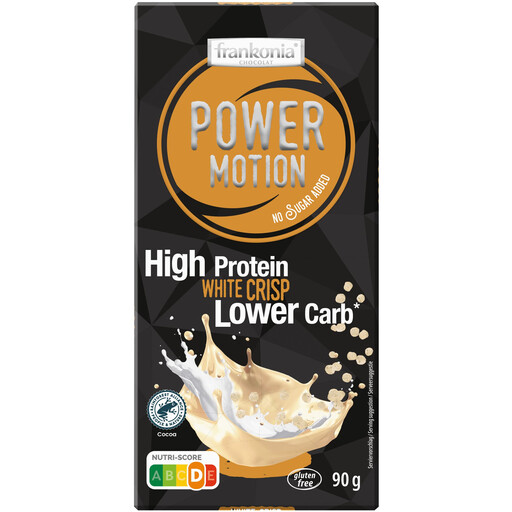
Frankonia Chocolat Power Motion White Crisp Chocolate, 90 g
If you’re choosing a protein bar based on its sugar content and ingredients, compare the nutritional values per 100 g with the portion you’ll actually eat.
Milk, soya and maltitol are listed in the product information. It also warns that excessive consumption may have a laxative effect.
View on Joybuy
Frequently asked questions
How much protein does a bar labelled ‘High Protein’ contain?
The wording alone doesn’t specify a fixed amount of protein per bar. Compare the nutritional information per serving and per 100 g, and check the weight of the individual bar.
Do you need a protein bar to recover after exercise?
No, a bar isn’t essential for this. The Verbraucherzentrale notes that everyday foods can also contribute to your protein intake. Choose a bar for its convenience and ingredients.
How can I spot an organic protein bar when shopping?
For packaged bars sold as organic, look for the organic certification and the organic inspection body. Check the ingredients and nutritional values too: organic certification alone doesn’t tell you how much sugar or protein a variety contains.
What should I look out for with sugar alcohols?
Read the ingredients list and any consumption advice on the specific pack. The Verbraucherzentrale explains that consuming large amounts of sugar substitutes may have a laxative effect.
How do I check allergens in a protein bar?
Check the ingredients list and may-contain warnings on the specific pack. Pay particular attention to any ingredients that matter to you; labels such as ‘organic’ or ‘High Protein’ are no substitute for checking.


