If you’re looking for a high-protein cereal bar for the afternoon, compare the actual serving size, nutrition information and ingredients first – even for products labelled as protein bars. Don’t focus solely on the advertised protein content. For teenagers, you can’t assume that taking part in a sports session means they need extra protein: the German Nutrition Society sets age-specific reference values and says that adults who do recreational sport do not need to increase their protein intake. If you avoid gluten or have allergies, check the label on the specific product, and remember that a bar is no substitute for a meal.
Who might be interested in these bars?
Teenagers with after-school sports
An individually wrapped bar is easy to take along on the way to training. That alone doesn’t tell you whether extra protein is useful: the German Nutrition Society sets different reference values for children and teenagers based on age and sex. A bar shouldn’t replace a meal.
Families checking for gluten and allergens
For these shoppers, the exact product variant matters. EDEKA and REWE list different labelling for their individual protein bars: one is specifically labelled gluten-free, while others mention possible traces of gluten or other allergens. Always check the current packaging when choosing.
Teenagers and parents who prefer plant-based ingredients
If you’re looking for a vegan protein bar, check the other ingredients and allergen information too. EDEKA says its vegan MAX BALANCE bar contains almonds and may contain traces of peanuts, gluten, milk and soya.
What should you look for when buying?
For an after-school snack, start by considering the amount you’ll eat and the ingredients. Then check the protein content per 100 g against the size of the bar. If you avoid gluten or have allergies, the label on the specific pack should take priority over other considerations.
| What to check |
Buying check |
Who is it important for? |
| Protein per serving |
Compare the bar’s weight with the protein listed per serving; don’t confuse the figures per 100 g with the amount in the bar. |
After a sports session, I want to know how much protein is actually in the snack, rather than relying on the claims on the wrapper. This is a key consideration for around 36% of consumers. |
| Gluten and allergens |
Check the current ingredients list, allergen information and any ‘may contain’ warnings. If needed, look for an explicit gluten-free label. |
If gluten or certain allergens matter to me, the exact product I buy needs to be suitable. Around 29% of consumers prioritise this. |
| Snack portion |
Check the portion size and nutrition information for energy and sugar, and plan to have the bar as a snack between meals. |
On the way home, I need something handy, but I still want to eat a proper meal later. For about 21% of consumers, finding the right snack between meals is the main concern. |
| Plant-based ingredients |
Check the protein source and other ingredients; even with bars labelled vegan, make sure you read the allergen information. |
I want to choose a bar with plant-based protein for the afternoon, so I check the ingredients in the specific product. Around 14% of consumers put this preference first. |
Common mistakes when choosing
-
Assuming vegan means gluten-free
A plant-based recipe doesn’t tell you whether a product contains gluten. According to EDEKA, the vegan MAX BALANCE protein bar may contain traces of gluten.
If you need to avoid gluten, look for an explicit label on the specific product and check the current packaging.
-
Comparing only the protein content per 100 g
The amount in the bar you eat may be considerably lower. According to EDEKA, the MAX BALANCE Stracciatella bar contains 50 g of protein per 100 g; at a bar weight of 45 g, that works out at 22.5 g.
To compare different bars, check the protein and other nutrition information against the portion you’ll actually eat.
-
Planning to use the bar as a meal replacement
A handy snack doesn’t do the same job as a proper meal. A high protein content alone also doesn’t tell you whether you need an extra protein snack after school at all.
If appropriate, choose the bar as a snack between meals and plan your other meals separately.
-
Assuming online information matches the pack you buy
The ingredients and allergen information must match the product you actually buy. EDEKA notes that the information it provides about its products may differ from the packaging.
Before eating, check the ingredients list and allergen information on the current packaging.
Brands to help you choose
REWE PWR
REWE describes PWR as its own brand, with protein bars for sporty people and those with an active lifestyle.
- REWE’s range includes several protein bars.
- Being aimed at sporty people doesn’t mean the bars are especially suitable for teenagers; ingredients and nutrition vary from bar to bar.
MAX BALANCE
EDEKA’s MAX BALANCE range includes classic and vegan protein bars with different recipes.
- For some variants, the product information makes it possible to compare portion size, protein and ingredients.
- Allergen and ‘may contain’ information varies by product; the vegan option isn’t automatically gluten-free.
Seitenbacher
REWE specifically labels a 70-g Seitenbacher protein bar as gluten-free.
- The gluten-free label is a specific feature you can check on the current packaging.
- The bar described contains milk and almonds, so it’s important to check for other allergens too.
Corny
REWE includes Corny Nuts & Protein Chocolate in its range of protein bars.
- You can compare the specific variety with other bars using the information on the packaging.
- Before choosing, check the ingredients, nutrition information and allergens for the Corny variety you want.
Afternoon protein bars at Joybuy
This selection includes individually portioned protein bars and multipacks for an after-school snack or something to enjoy on the go. Product names and pack sizes can help you narrow down your options; to check protein per serving, ingredients and allergens, always refer to the current packaging for the specific product.
 No image available
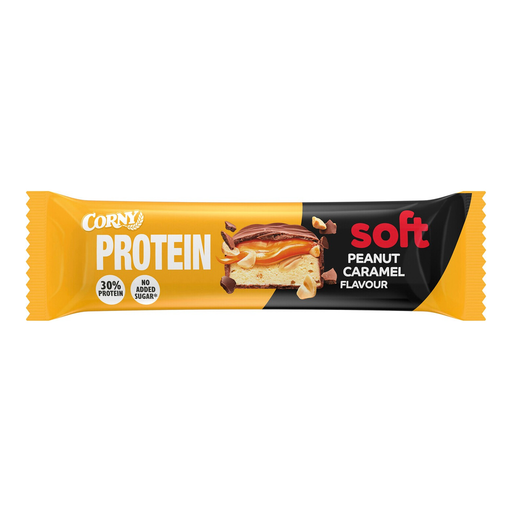
Corny Protein Peanut & Caramel Bar, 45 g
This 45-g bar is an option as a single snack portion for the afternoon.
If you’re choosing a bar because of allergies or to avoid gluten, check the current packaging for information about peanuts, milk, soya and barley.
View at Joybuy
 No image available
Power System Low Carb Cookies & Cream Protein Bar, 40 g
The 40-g portion is handy as a single snack on the go.
If you’re choosing a bar because of allergies or to avoid gluten, check the packaging for information about milk, soya and possible traces. Follow any guidance on consumption too.
View at Joybuy
 No image available
Barebells Vegan Protein Bar Peanut Caramel, 12 × 55 g
If you’re looking for a bar labelled vegan in individual 55-g portions, you can see how this pack of 12 fits with your ingredient preferences.
Check the current packaging for the protein content per bar. If you have allergies, read the information about peanuts, wheat and soya too.
View at Joybuy
 No image available
Corny Crunchy Cookie Flavour Protein Bar, 30 % Protein, 12 × 45 g
This pack of 12 contains 45-g bars for individually planned snacks.
Don’t confuse the 30% protein claim with the amount of protein per bar. If you have allergies or avoid gluten, check the current packaging, particularly for milk, soya and gluten-containing ingredients. Check the sweetener information too.
View at Joybuy
 No image available
Power System 32 % Protein Bite Power, banana, 35 g
This 35-g bar is a smaller portion for a snack between meals.
Consider the 32% protein content in relation to the portion you’ll actually eat. If you have allergies or prefer to avoid certain ingredients, check the current packaging for milk, soya, egg, possible traces and collagen.
View at Joybuy
Frequently asked questions
Do teenagers need a protein bar after every school day?
No, a protein bar isn’t essential. The German Nutrition Society sets reference values for children and teenagers based on age and sex. Whether a bar works as an occasional snack depends on the rest of their diet and the portion size. It shouldn’t replace a meal.
How do I compare the protein content of two bars?
Compare the amount of protein in the portion you’ll actually eat, using the nutrition information per 100 g and the weight of the bar. A percentage on the front of the pack doesn’t tell you how much you’ll eat or what other ingredients it contains.
Are vegan protein bars automatically gluten-free?
No. According to EDEKA, the vegan MAX BALANCE protein bar may contain traces of gluten. If you need to avoid gluten, check the label on the specific product as well as looking for a vegan claim.
How can I check for gluten and other allergens before buying?
Read the ingredients list and allergen information on the current packaging. Check for possible ‘may contain’ warnings and, if relevant, an explicit gluten-free label. The information must match the product you choose, as EDEKA notes that online product information may differ from the packaging.


