What should you look for when buying?
When choosing a cereal or protein bar, first check the labelling for your allergen. Only then is it useful to compare the protein content per serving and how readily available the suitable options are.
| Criteria |
What to check when buying |
Who it matters most to |
| Ingredients and traces |
Check the highlighted ingredients and any ‘may contain’ warnings on the current packaging against the specific allergen you need to avoid. |
If even a small amount of my trigger could affect me, the individual variety must meet my requirements. Around 50% of consumers put this check first. |
| Protein per serving |
Compare the figures per 100 g and per bar, along with the weight of the portion you plan to eat. |
For my post-workout snack, it’s the protein in the bar I actually eat that matters, once I’ve checked the ingredients. Around 30% of consumers prioritise the serving information. |
| Variety and availability |
Search for the exact variety rather than just the brand, and check current availability for special-offer products. |
I want to be able to find a suitable variety again as part of my everyday routine, rather than relying on a product range that may change. This is the main selection criterion for around 20% of consumers. |
Key brands to consider
The following examples show how specific bar varieties and product ranges can differ. The brand name alone does not tell you whether a product is suitable for a particular allergy.
Corny
Several Corny varieties with ‘Protein’ in the name are listed by German retailers, including Protein Banane Vanille.
- Protein Banane Vanille is a specific cereal bar to compare for its stated protein content.
- According to EDEKA24’s product information, this variety contains ingredients including wheat, peanuts and milk; it may also contain tree nuts.
REWE PWR
The Protein Riegel Brownie is a single-portion protein bar weighing 45 g.
- REWE states that the Brownie variety contains 13,5 g of protein per 45-g bar.
- This variety contains milk and soya ingredients. REWE also lists possible traces of peanuts, tree nuts, sesame and gluten.
Seitenbacher
The gluten-free protein bar listed by REWE is aimed at shoppers looking to compare a variety with this specific label.
- This variety is stated to contain 35 g of protein per 100 g.
- The ingredients include milk and almonds. REWE also lists possible traces of peanuts, soya and other nuts.
ALDI SPORTS
ALDI SÜD stocks various protein bar options, including bars labelled as protein or vegan.
- You can compare the varieties individually by bar type and labelling.
- Check the ingredients and allergens for each variety. ALDI SÜD notes that special-offer products are available in limited quantities.
Protein bars on Joybuy
This selection includes individually portioned protein bars, where the specific variety is key to checking allergens. Compare pack sizes only after checking the ingredients and any ‘may contain’ warnings on the current packaging against your requirements.
 No image available
Barebells Vegan Protein Bar Peanut Caramel, 12 × 55 g
A convenient single-portion snack: according to the product name, the pack contains 12 bars, each weighing 55 g.
For this variety, check the current packaging for wheat, soya and peanuts, as well as any warning about possible traces.
View on Joybuy
 No image available
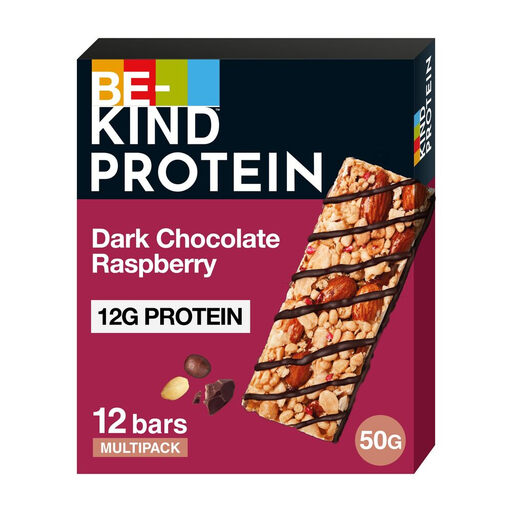
BE-KIND Protein Dark Chocolate Raspberry RG, 12 × 50 g
If you’re comparing a protein bar described as gluten-free, you still need to check it against any other allergens you avoid. The product name states that the pack contains 12 bars, each weighing 50 g.
Check the current packaging especially for peanuts, almonds and soya, as well as possible traces of milk and other nuts.
View on Joybuy
 No image available
ESN Protein Designer Bar Hazelnut Nougat, 12 × 45 g
If you’re choosing individually portioned protein bars, the product name states that the pack contains 12 bars, each weighing 45 g.
Check this variety against your requirements for milk, soya and hazelnuts, as well as possible traces of peanuts and other tree nuts.
View on Joybuy
 No image available
Barebells Soft Protein Bar Salted Peanut Caramel, 12 × 55 g
If you’re looking for individually portioned bars, this pack contains 12 bars, each weighing 55 g.
Check the current packaging for milk, peanuts and soya in the ingredients list, as well as any warning about possible traces.
View on Joybuy
 No image available
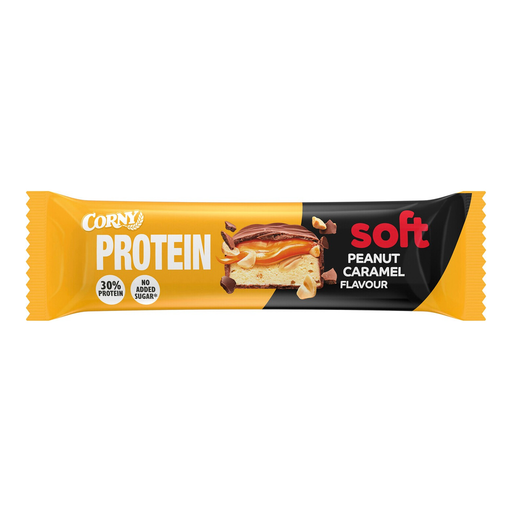
Corny Protein Peanut & Caramel Bar, 45 g
According to the product name, this is a single 45-g protein bar. Compare the nutritional information on this serving basis.
Check the current packaging for milk, soya and peanuts, as well as possible traces of cereals containing gluten, tree nuts and egg.
View on Joybuy
Frequently asked questions
How can I identify allergenic ingredients in a packaged bar?
Look for highlighted allergenic ingredients in the ingredients list on the specific pack. The German Food Federation explains this labelling. Also read any ‘may contain’ warning and check the information for the variety you’re planning to buy.
Is a gluten-free protein bar suitable if I have other allergies?
Not necessarily: a gluten-free claim does not tell you whether other triggers are present. For example, the gluten-free Seitenbacher bar listed by REWE contains milk ingredients and almonds, and warns that it may contain traces of other allergens.
Should I compare protein per 100 g or per bar?
For the amount you’ll actually eat, the figure per bar or serving is what matters; figures per 100 g let you compare products of different sizes. REWE states that its PWR Protein Riegel Brownie contains 13,5 g of protein per 45-g bar, while Corny Protein Banane Vanille is listed as containing 24,4 g per 100 g – the figures are based on different amounts.
How should I store a protein bar?
Follow the storage instructions on the packaging for your chosen variety. The bars considered here include instructions to store in a cool, dry place and protect from heat.


