People who exercise and snack at the office
You want to know how much protein is in your snack, without treating it as a necessary post-workout meal.


If you’re looking for a protein-focused snack for the office, compare the protein per 100 g and per pack with the energy, fat, salt and ingredients, rather than relying on the protein claim alone. If you want corn to be the main ingredient, check the ingredients list carefully: a higher protein value may also come from added pea protein or a different snack base. That doesn’t automatically make this kind of snack a necessary choice for recovery after exercise.
You want to know how much protein is in your snack, without treating it as a necessary post-workout meal.
The snack base matters to you, so you check whether corn is actually a key ingredient or whether most of the protein comes from pulses.
You’re looking for a handy pack and want to check the salt, fat, ingredients and, where relevant, allergens on the specific product label before buying.
A good fit if: A clear protein value matters more to you than having corn as the main ingredient. funny-frisch lists 21 g of protein per 100 g for its protein crisps made with lentil flour and pea protein.
The trade-off: This snack base isn’t the same as classic corn crisps, so compare energy and salt separately.
A good fit if: You’re specifically looking for a tortilla-style snack with a focus on protein. IronMaxx offers baked protein tortilla chips.
The trade-off: The product name alone won’t tell you the exact ingredients or allergens in the flavour you choose.
A good fit if: Corn as an ingredient matters more to you than a high protein value. EDEKA24 lists 77% corn flour and 6.7 g of protein per 100 g for Alnatura Organic Natural Corn Chips.
The trade-off: This particular corn product isn’t specifically designed to be high in protein, but you should still consider its nutritional information as a whole.
| Criteria | What to check when buying | Who it matters to |
|---|---|---|
| Protein content | Compare the protein per 100 g and per whole pack, based on its net weight. | If I’m choosing a snack because I exercise, I want to know how much protein I’ll actually get from the pack. Around 46% of consumers prioritise protein content. |
| Portion and nutritional values | Check the pack size and the energy, fat and salt per 100 g and per pack. | For regular office breaks, I want to choose a suitable portion without overlooking the other nutritional values. Around 27% of consumers focus mainly on this balance. |
| Snack base and ingredients | Check the corn and other ingredients, the protein source and any declared allergens. | If I’m expecting corn or tortilla crisps, I want to know what the snack is actually made from and whether its ingredients suit me. This is a priority for around 27% of consumers. |
A protein-focused snack isn’t automatically a meal replacement. The German Nutrition Society says that adult recreational athletes who train four to five times a week for 30 minutes at moderate intensity each time don’t need more protein for that reason alone.
Consider the snack as part of your overall diet, and don’t choose it solely because you assume you need it after exercise.
A lower fat value doesn’t automatically mean a correspondingly lower energy content. The North Rhine-Westphalia Consumer Advice Centre also highlights salt as an important point of comparison for alternative crisps.
Compare energy, fat and salt on the same basis: first per 100 g, then for the pack you’re planning to eat.
A picture of cheese or a flavour name won’t reliably tell you what’s in a protein tortilla snack. For example, Lebensmittelklarheit documented a corn snack labelled ‘Vegan Cheese’ that contained pea protein.
Check the ingredients list and declared allergens for the specific flavour, especially if you need to avoid certain ingredients.
Its protein crisps are a useful point of comparison for pulse-based, crisps-style snacks when corn doesn’t have to be the main ingredient.
The brand offers baked protein tortilla chips for consumers specifically looking for this type of snack.
Organic Natural Corn Chips provide a comparison with a corn crisp that isn’t specifically focused on protein.
Chio Chips Ready Salted are a comparison with classic potato crisps, not protein-focused corn crisps.
Crunchips Paprika provide a comparison with a classic potato crisp flavour.
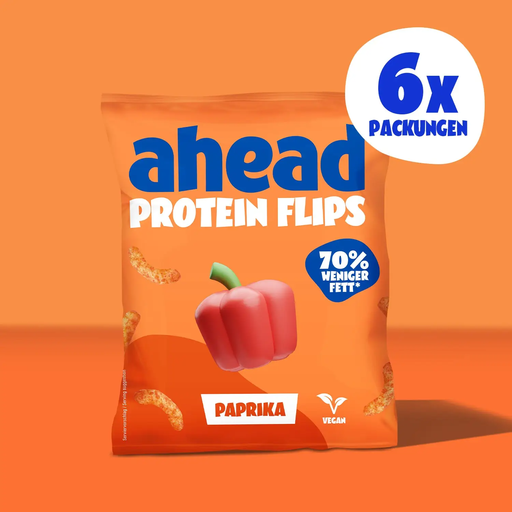
This selection features a portioned snack for an office break. If you’re specifically looking for a corn crisp or a particular protein value, compare the ingredients and nutritional information on the specific pack before buying.
 No image available
The six 50 g bags are easy to take along for office breaks. Check the label on the specific pack to see whether its ingredients and nutritional values match the corn and protein profile you’re looking for.
No. To compare products, check the protein per 100 g and the net weight of the specific pack. Lebensmittelklarheit points out that a product marketed for its protein doesn’t always contain more protein than a comparable product, so consider the other nutritional information too.
Not just because you exercise regularly for recreation. According to the German Nutrition Society, adult recreational athletes who train four to five times a week for 30 minutes at moderate intensity each time don’t need to increase their protein intake for that reason alone.
Read the ingredients list and declared allergens for the specific flavour rather than relying on the name or pictures on the pack. In particular, check whether it contains corn, pulse protein or other ingredients that matter to you.
Not just because of their main ingredient. The North Rhine-Westphalia Consumer Advice Centre warns against broadly classifying alternative crisps as healthier. Your choice should depend on the specific ingredients and the energy, fat and salt values, compared on the same basis.