
Lieferung heute & morgen

Qualitätsgarantie

Willkommens-Angebote freischalten: KOSTENLOSE Lieferung | Bis zu 80 % RABATT | Kostenlose 30-Tage-JoyPlus-Testphase
App herunterladen
Anyone looking to buy high-protein foods online will find a wide selection, including high-protein snacks, protein powders, protein bars, meat, fish, tofu and plant-based protein sources. However, product names do not always tell the full story revealed by the nutritional information. A high protein content can come with lots of sugar, many calories, sweeteners or a high salt content.
That is why the Joybuy product recommendation team filters products according to clear, easy-to-understand criteria: protein content, serving size, ingredients, storage, allergens and intended use.
“20 grams of protein” sounds clear at first. However, it is important to check whether this refers to 100 grams, one serving or the entire product. A protein bar containing 20 grams of protein per 50-gram bar may need to be assessed differently from a powder containing 24 grams of protein per 30-gram serving.
You should also consider the energy density. A product can be high in protein while also providing plenty of calories. This is relevant, for example, with nuts, whole milk powder or a weight gainer.
Products with no added sugar can still contain natural or added carbohydrates. Polyols such as maltitol are often used in confectionery. Although these can reduce the sugar content, excessive consumption may have a laxative effect. Any corresponding warning on the packaging should be taken into account.
“Low carb” is not a standardised legal product category either. You should therefore check the specific nutritional information and compare the carbohydrate, sugar and polyol content per serving.
Whey protein, milk protein, soya protein, collagen and plant-based protein sources differ significantly. If you have a milk or soya allergy, the ingredients and allergen list are decisive. Peanuts, gluten, eggs and nuts may also be present in protein bars or snacks.
With frozen meat and fish, you also need to consider the cold chain, net weight and preparation. For example, a bag with a total weight of 1 kilogram may have a lower net weight after draining.
For an objective comparison, the information per 100 grams is a useful starting point. For practical planning, the serving size is also important. Examples from the product selection:
The weight of dried pulses changes as they absorb water. The “per 100 grams” information should therefore always be checked against the preparation state.
A protein bar is not automatically a substitute for a balanced meal. Compare:
Low-sugar snacks may contain a higher proportion of fibre. Products containing maltitol or other sweeteners should be consumed in accordance with the recommended intake.
Dry products such as protein powder, peanuts and mung beans require a dry, sealed storage area. Frozen prawns and meat products should generally be stored in the freezer at −18 °C or below. Once defrosted, they should be cooked thoroughly and not refrozen.
For food supplements such as whey protein, the information on the relevant packaging is binding. Protein powder complements a balanced diet but does not replace it.
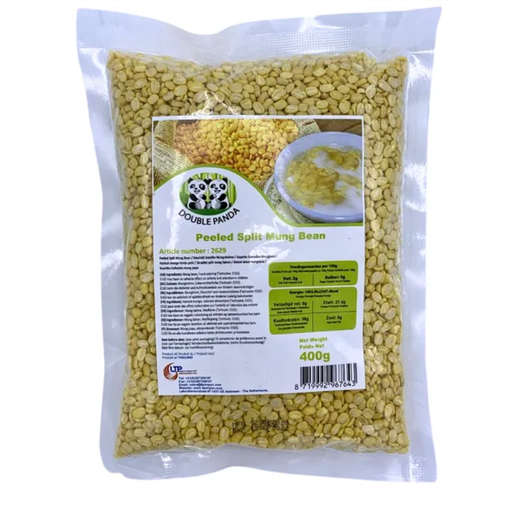
Why this product suits this profile: Peeled, split mung beans are suitable for soups, dal and Asian dishes. The product information states that they contain 27.4 g of protein per 100 g and have a gluten-free recipe.
The protein content is stated per 100 g, making it easy to compare with other dried pulses. This is not a product with an unclear serving definition.
A plant-based protein source that is versatile and comparatively quick to prepare thanks to its split form.
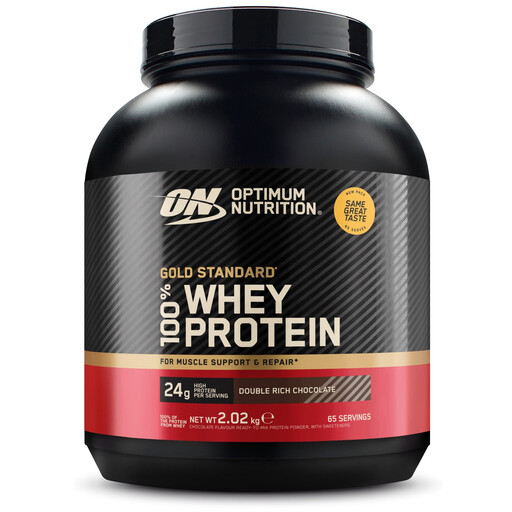
Why this product suits this profile: According to the product information, this whey combines isolate, concentrate and hydrolysed whey. A 30-g serving provides 24 g of protein and 113 kcal.
The nutritional values are provided both per 100 g and per serving. The product information identifies milk and soya allergens.
24 g of protein per serving, versatile use in shakes, porridge or baking recipes, and a stated low sugar content.

Why this product suits this profile: For endurance and performance athletes with increased energy requirements, the product information states 366 kcal per 100 g and 80% carbohydrates. One serving consists of 90 g of powder.
The high carbohydrate content is clearly stated. This makes it easy to distinguish the gainer from a pure protein powder and factor it more precisely into your daily calorie planning.
Four-component protein blend and a 4.5 kg container. According to the product information, it also contains creatine monohydrate.
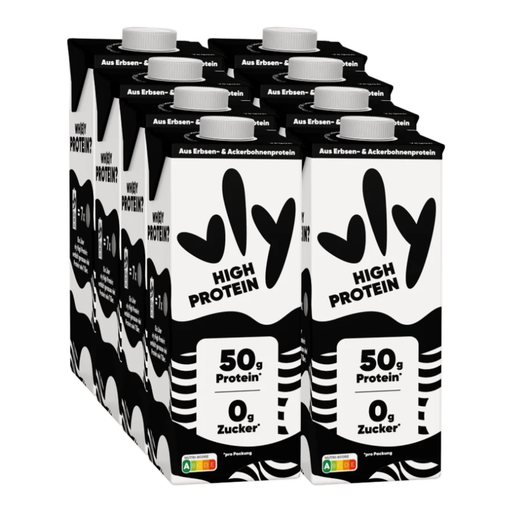
Why this product suits this profile: According to the ingredients list, this plant-based alternative is made partly with fava bean and pea protein. It is suitable for shakes, smoothies, porridge or drinking on its own.
The information stating 5 g of protein and 0 g of sugar per 100 ml makes it easier to assess. At the same time, the serving size of 1 litre per pack remains clear.
50 g of plant-based protein per litre according to the product information, plus added calcium, vitamin B12 and vitamin D3.
We have put together a complete, regularly updated list of products that fully meet these strict selection criteria and the safety regulations applicable in the EU.
For a snack on the go, consider protein bars, beef jerky or high-protein chocolate. With beef jerky, you should check the salt and sugar content in addition to the 38 g of protein per 100 g. For reduced-sugar bars and chocolate, it is important to check whether polyols are present.
If you prefer animal-based foods, you can choose high-protein meat, chicken or frozen prawns. According to the product information, prawns provide 18 g of protein per 100 g, but they should be planned accordingly because they are a crustacean allergen and need to be heated thoroughly. Tofu provides 8.1 g of protein per 100 g, making it a versatile option for stir-fries, stews and hotpots.
That depends on your eating habits and intended use. Tofu, mung beans, meat, prawns, milk alternatives and protein powder can all be prepared in different ways. Long-life bars or beef jerky are practical for eating on the go, while pulses, tofu and meat are suitable for meals.
No. Protein powder such as whey protein can simplify your daily planning, but it is not an essential part of a protein-conscious diet. Foods such as mung beans, tofu, eggs, dairy products, meat and fish can also provide protein.
The product date on the packaging is decisive. Unopened dry products usually keep for longer than fresh or frozen goods. Once opened, follow the storage instructions. Defrosted meat and fish products should be processed promptly, cooked thoroughly and not refrozen.