
Lieferung heute & morgen

Qualitätsgarantie

Willkommens-Angebote freischalten: KOSTENLOSE Lieferung | Bis zu 80 % RABATT | Kostenlose 30-Tage-JoyPlus-Testphase
App herunterladen
If you’re looking to buy high-protein foods online, you’ll find plenty of choice: protein powder, whey protein, protein bars, beef jerky, meat products, tofu and vegan sources of protein. At first glance, product information can look similar, but products can vary considerably in protein content, sugar, salt, ingredients, allergens and storage requirements.
Three common buying pitfalls can often lead to the wrong choice:
Protein per 100 g is especially useful when comparing different high-protein snacks. A bar with 20 g of protein per 50 g works out at 40 g of protein per 100 g. A powder, on the other hand, might provide 24 g of protein per 30 g serving.
For meat products, it’s also worth checking the fat content and how the product is prepared. Lean beef has a very different nutritional profile from fattier pork belly. With dried products such as beef jerky, nutrients are more concentrated, but the salt content is often higher too.
Low-sugar snacks aren’t automatically low in calories. Check sugar, polyols, fat and energy together. If a product contains maltitol or other sugar alcohols, take note of any warning about a possible laxative effect.
Beef jerky can contain 35 to 38 g of protein per 100 g, but depending on the variety, it may also contain 3.3 to 5 g of salt and 18 to 20 g of sugar per 100 g. That makes it a convenient snack, but not necessarily the right choice for every diet.
Milk and often soya are relevant allergens to check for in protein powder and whey protein. Plant-based products are often made with soya, pea or bean protein. Tofu and soya strips are versatile, but need to be stored and prepared appropriately.
For frozen meat and seafood, storage temperature, defrosting instructions and the use-by period after defrosting are key. Always follow the information on the product packaging, as ingredients and nutritional values can vary by flavour or batch.
The selection below isn’t based on broad quality judgements, but on nutrition information, ingredients, pack size and typical uses.
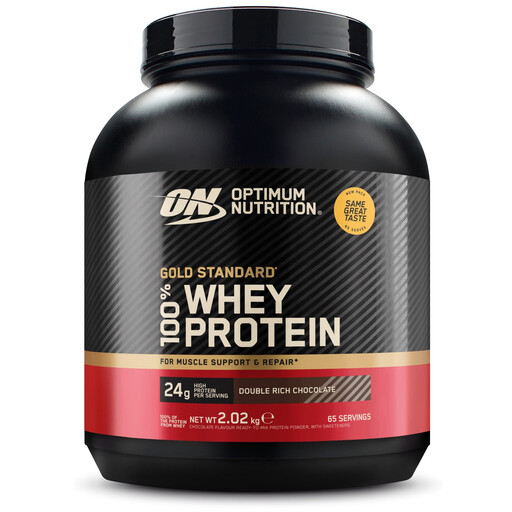
Why this product suits this profile: Mix the powder with water, milk or a plant-based alternative, and use it in shakes, porridge or baking recipes. According to the product information, a 30 g serving provides 24 g of protein and 113 kcal.
Nutrition information per serving and per 100 g makes it easier to compare. The ingredients list also clearly identifies milk and soya ingredients.
24 g of protein per 30 g, 3.3 g of sugar per 100 g and a recommended mixing amount of 180–240 ml of liquid.
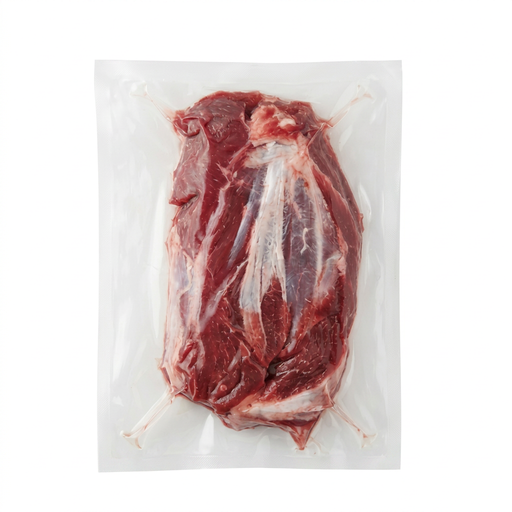
Why this product suits this profile: This frozen cut of beef is ideal for casseroles, stews and slow cooking. Its nutritional profile is clearly stated, with 34.6 g of protein and 6 g of fat per 100 g.
The “100% beef” claim is backed up with specific figures for protein, fat, carbohydrates and salt. This makes it easier to assess the product objectively when planning your meals for the week.
1 kg pack, 34.6 g of protein per 100 g and versatile enough for make-ahead meals.
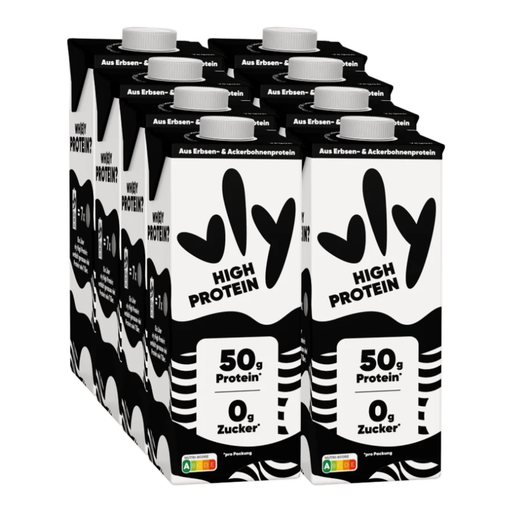
Why this product suits this profile: This plant-based milk alternative is a good fit for households that regularly use vegan sources of protein. According to the product information, it contains 5 g of protein and 0 g of sugar per 100 ml.
The sugar content is backed up by specific nutrition information, rather than just a marketing claim. The ingredients list includes bean and pea protein, among other ingredients.
8 x 1 litre, 5 g of protein per 100 ml, and suitable for shakes, smoothies and porridge.
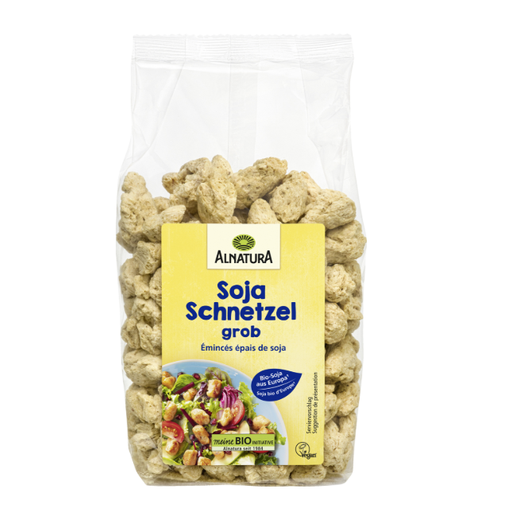
Why this product suits this profile: Soak the dried soya strips in vegetable stock, then use them in vegan goulash, stir-fries or salads. According to the product information, they contain 50 g of protein per 100 g when uncooked.
The high protein figure is specifically for the dry product. When comparing it with tofu or ready meals, remember to take the amount used in preparation into account.
50 g of protein and 15 g of fibre per 100 g, plus no need for chilled storage.
You don’t need to rely on supplements for every meal to follow a practical high-protein diet. Protein powder is most useful when you need a quick serving. Protein bars, beef jerky and low-sugar snacks are easy to take with you, but check how they fit with the rest of your diet in terms of sugar, salt, sweeteners and serving size.
For meal prep, try fresh or frozen high-protein meat products, tofu and soya strips. If you’re buying larger packs, check that you have enough freezer space and plan ahead for defrosting and use-by dates. Your personal protein needs depend on factors such as body weight, activity level, age and diet. If you have a medical condition, are pregnant, take medication or have a specifically increased need for protein, it’s a good idea to seek individual advice from a healthcare professional.
We’ve put together a complete, regularly updated list of products that meet these strict selection criteria and fully comply with the safety regulations in force across the EU.
Protein bars and beef jerky are ready to eat and, depending on the product, don’t need to be kept chilled. Before buying, check the sugar and salt content, as well as any potential allergens such as soya, wheat, milk or nuts.
No. Protein powder can be a convenient addition, but it isn’t a substitute for a varied diet. Tofu, soya strips, pulses, fish, eggs, dairy products and meat can all contribute to your daily protein intake.
Dry products such as protein powder and soya strips are usually stored in a cool, dry place in a sealed pack. Chilled and frozen products need to be kept at the temperature shown on the packaging. Once opened or defrosted, they often need to be used sooner. Always follow the packaging, best-before date and specific storage instructions.